Georgia Power Breaks Ground on 260 MW / 1 GWh Battery Storage

- Georgia Power broke ground on a 260 MW / 1,040 MWh battery energy storage system.
- This is the utility's largest single battery project to date.
- Designed to capture solar surplus and dispatch it during cold winter morning peaks.
- Located in Jefferson County, Georgia.
- Burns and McDonnell is the engineering and construction contractor.
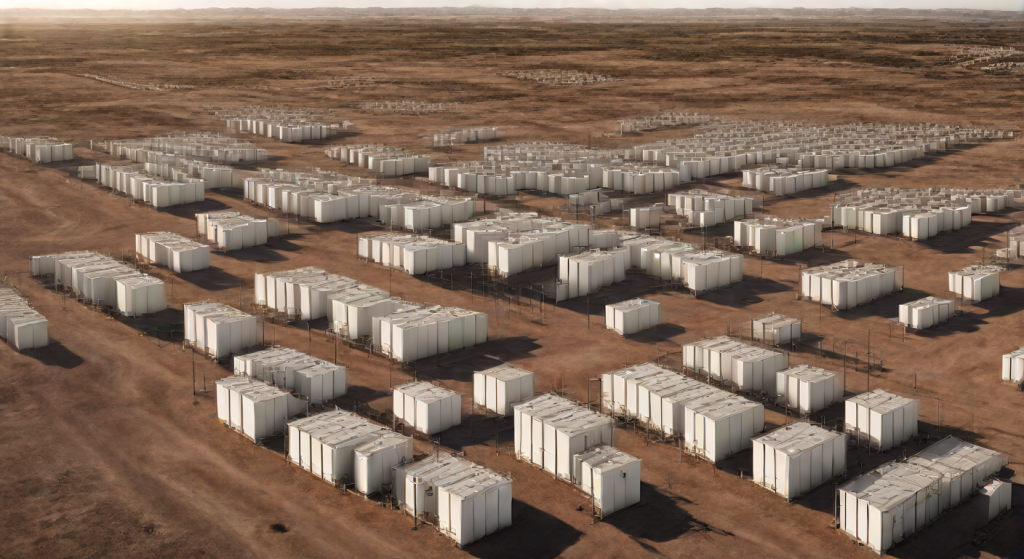
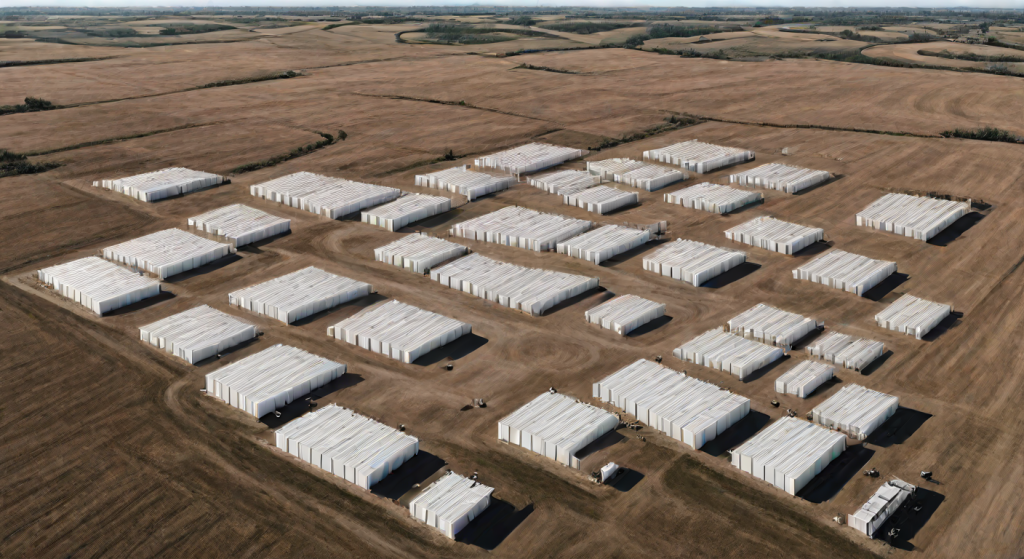
Georgia Power broke ground on a 260 MW / 1,040 MWh battery energy storage system in Jefferson County on March 31, 2026, the utility largest single Battery Project to date, designed to capture solar surplus during low-demand periods and dispatch it during cold winter morning peaks.
What Is Being Built
The Wadley BESS sits adjacent to an existing third-party solar facility outside Wadley, Georgia, positioned near existing transmission infrastructure to minimize interconnection costs. Burns and McDonnell is the engineering, procurement, and construction contractor, with completion targeted for 2027.
At 1,040 MWh, the system delivers four consecutive hours of full-rated output before requiring recharge, a duration long enough to cover the typical winter morning peak demand window. Georgia Power owns the asset directly as a rate-base addition, rather than contracting capacity from an independent developer.
Why It Matters
The Wadley project is part of a large-scale battery buildout that the Georgia Public Service Commission approved through the 2025 Integrated Resource Plan. Kerry Bridges, Georgia Power region executive, stated the batteries will play an invaluable role in helping ensure reliability and flexibility, particularly when renewable sources are not available.
A four-hour battery co-located with solar can charge from midday solar surplus and discharge before sunrise, covering the morning peak without dispatching natural gas peakers. For a utility in a state with hot summers and cold winters, this profile addresses both seasonal demand spikes.
Critical Perspective
Georgia Power has not disclosed the capital cost of the Wadley system. Utility-owned BESS projects earn a regulated return on investment, meaning ratepayers fund the asset, the financing costs, and the utility profit margin, unlike contracted projects where the developer bears the capital risk. The PSC reviewed the economics before approving, but the approved cost-per-MWh has not been published. Without that figure alongside competing developer bids, it is not possible to verify that direct ownership was the least-cost option for Georgia ratepayers.