Hitachi and Bechtel Sign Agreement to Plan Grid Equipment Earlier and Ease Long Lead Times
- Grid Connection & Reliability News
Marin Holt
- 0
- 7 minutes read
- Hitachi Energy U.S. manufacturing investment: $1 billion
- New large power transformer facility: $457 million
- Transformer plant location: South Boston, Virginia
- Signing ceremony: San Jose, California
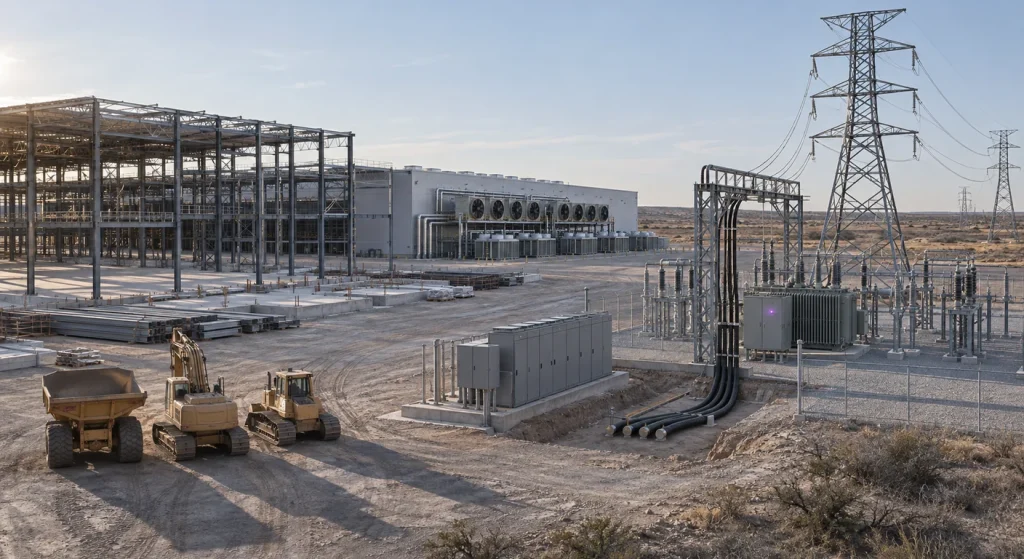
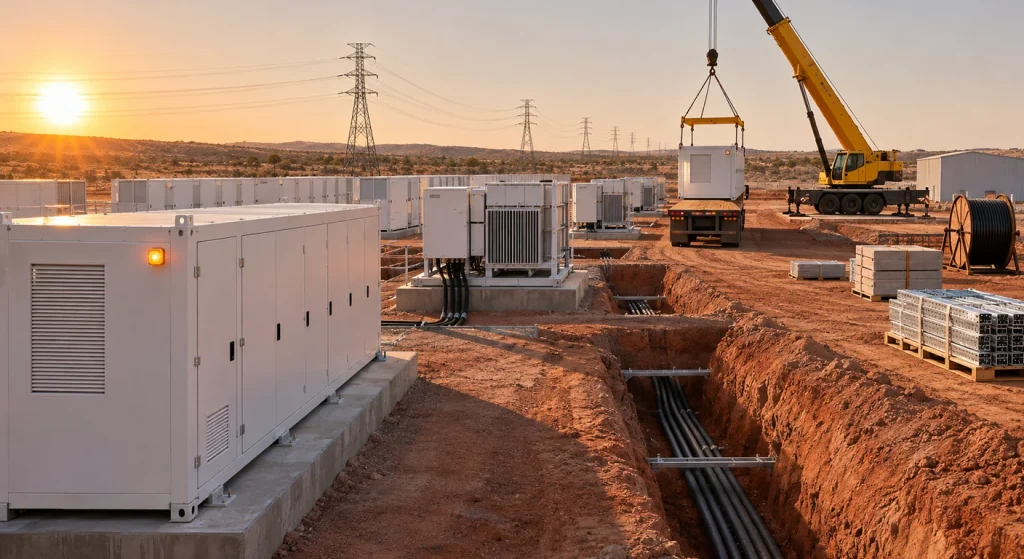
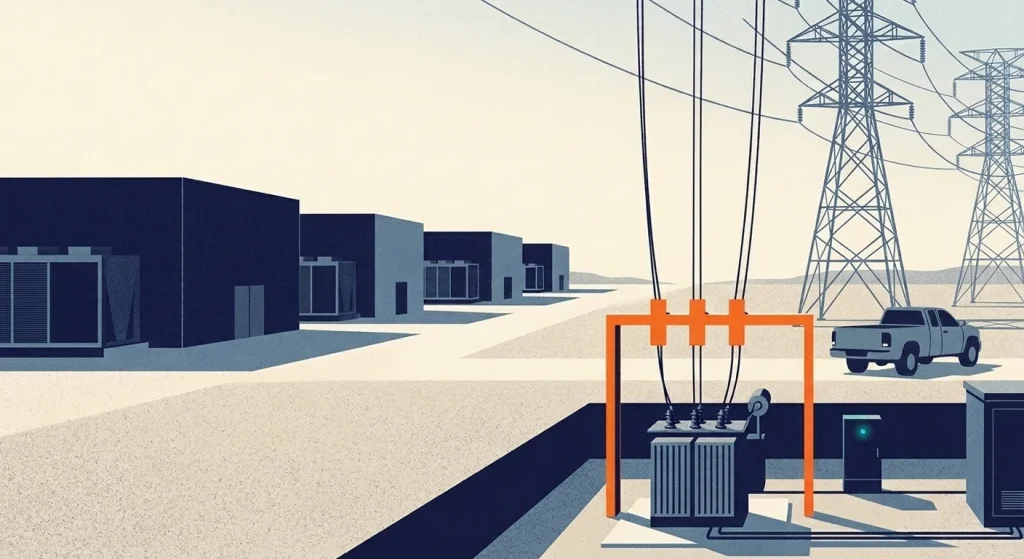
Hitachi and Bechtel have signed an enterprise agreement to plan, engineer and buy critical electrical equipment for Bechtel’s projects in the United States. Executives from both companies marked the deal at a ceremonial signing in San Jose, California, Bechtel said.
The agreement sets a supply framework for distribution and power equipment. It brings the two companies together earlier in the project cycle. The goal is to support delivery of the infrastructure needed to meet growing electricity demand.
Under the deal, Bechtel will align its project forecasts and engineering requirements with Hitachi’s manufacturing planning. Bechtel said this earlier alignment aims to give customers more predictable equipment deliveries. The framework covers distribution equipment as well as power equipment, so it reaches beyond the largest grid components.
Factory Investment Behind the Deal
The agreement follows Hitachi Energy’s announcement last year of an investment of more than $1 billion to expand U.S. manufacturing capacity for critical electrical grid infrastructure. The plan includes approximately $457 million for a new large power transformer facility in South Boston, Virginia. It also includes significant expansions of existing facilities across the country. The investments rank among the largest seen in the U.S. electrical industry.
Hitachi Energy says the Virginia plant will produce large power transformers. Those units will serve high-voltage transmission, power generation, AI data centers and large industrial operations.
Tarek Amine, who leads supply chain at Bechtel, said the agreement brings Bechtel’s engineering and procurement teams together with Hitachi earlier. He said that step would help the teams align designs, anticipate demand and reduce repeated work across projects.
Bruno Melles of Hitachi Energy pointed to the scale of the demand. “Demand for electricity is growing faster than it has in decades and meeting it will take more than new factories,” he said.
Why It Matters
Growing demand and long lead times for power equipment complicate planning for new power infrastructure. The deal pairs a large engineering and construction firm with an equipment maker that is adding U.S. transformer capacity. Bechtel’s forecasts give Hitachi an earlier view of what its factories will need to build. Hitachi’s manufacturing plans give Bechtel a firmer basis for project schedules.
Melles’s point is that new factory capacity alone will not close the gap. Closer coordination between the buyer and the manufacturer is the other half of the effort. For project teams, the practical step is to bring equipment suppliers into engineering discussions while designs are still taking shape.
The test for Bechtel and Hitachi is whether that earlier coordination makes delivery dates easier to plan around and cuts repeated engineering work across Bechtel’s U.S. projects.
Critical Perspective
Hitachi Energy announced an investment of more than $1 billion to expand manufacturing capacity, but an enterprise agreement alone does not guarantee that factory output will match construction schedules. Although Bechtel expects earlier alignment to make equipment deliveries more predictable, aligning project forecasts with factory planning does not resolve physical production bottlenecks. Even with approximately $457 million planned by Hitachi Energy for a new transformer facility in South Boston, Virginia, the resulting units must serve high-voltage transmission, power generation, AI data centers, and industrial facilities alike. Will this joint coordination framework establish binding delivery schedules if manufacturing output cannot keep pace with the forecasts Bechtel submits?