NextEra Halts Two Long Island Batteries Over a Groundwater Chemical That Has No Enforceable Limit
- Energy Storage News Utility-Scale BESS
Marin Holt
- 0
- 9 minutes read
- Sites suspended: 2
- PFPrA interim screening threshold: 3 parts per billion
- Buckskill Road wells out of service: 3 of 4
- Town legal counsel authorized: $50,000
- Novec 1230 removal deadline: October 9
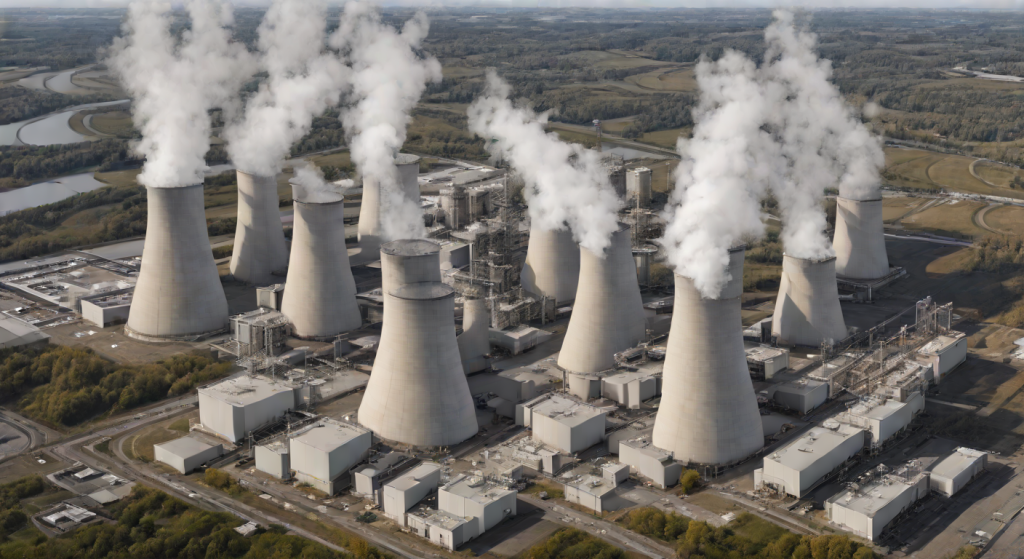
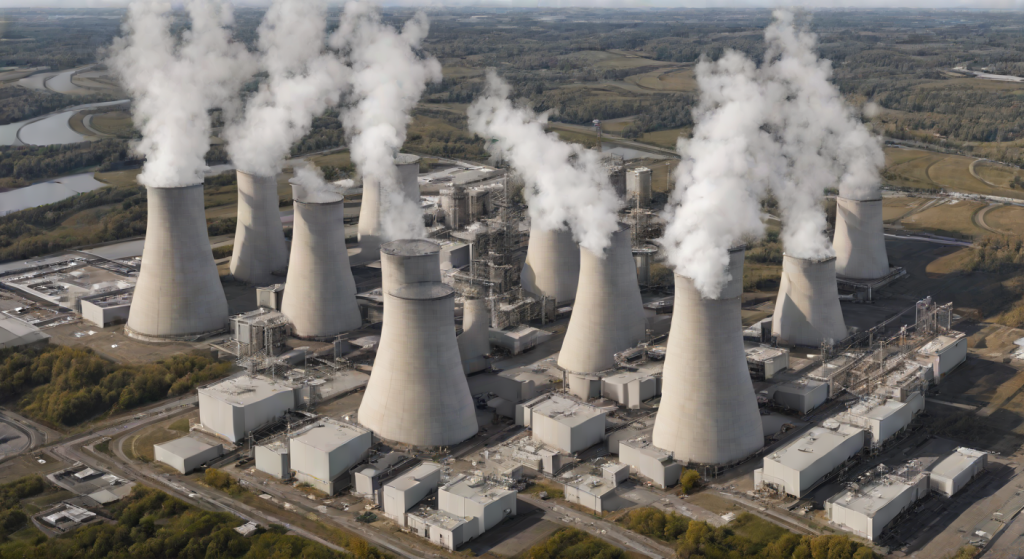
NextEra Energy has suspended operations at two battery storage sites on the east end of Long Island, New York. Suffolk County Executive Ed Romaine announced the suspension on October 5. The two sites, one on Cove Hollow Road in East Hampton and one near Fort Pond in Montauk, are jointly owned by NextEra Energy and National Grid. Both had stopped running by October 3. NextEra also agreed to strip the Novec 1230 fire suppression agent out of both buildings by about October 9.
The cause traces back to a fire at the end of May 2023 at the 5 MW East Hampton Energy Storage Centre. The New York State Department of Environmental Conservation found that the site’s fire suppression system was the probable source of perfluoropropionic acid, known as PFPrA. The agency detected it in groundwater and in Suffolk County Water Authority wells south of the facility. Its assessment holds that Novec 1230 vapor or residue mixed with the large volume of water used to fight the fire. That runoff carried PFPrA into the ground and toward the authority’s Buckskill Road wellfield.
Novec 1230 is 3M’s trade name for perfluoro(2-methyl-3-pentanone), a PFAS compound. 3M said in December 2022 that it would stop producing PFAS and would end PFAS use across its product portfolio by the end of 2025.
Why It Matters
Fire suppression chemistry is now a siting risk for grid-scale storage. It is a risk that sits outside the fire codes most developers plan against. The East Hampton fire was called isolated and caused no casualties. The lasting damage came from the agent used to put the fire out and from the water that carried it into the ground. A thermal runaway study does not cover that failure mode.
No standard left to exceed
Neither the federal government nor New York State sets an enforceable drinking water limit for PFPrA. The New York State Department of Health instead set an interim screening threshold of 3 parts per billion for the East Hampton site alone. Officials note that research into the health effects of the substance is still running. The shutdown therefore rests on county and town pressure and on litigation risk, not on a number being breached.
Two Suffolk County Water Authority wells went out of service and two more moved to restricted use. In the town of East Hampton, 3 of the 4 Buckskill Road wells now sit out of service. The fourth is held for emergency use only. Suffolk County has installed monitoring wells and continues to test groundwater. The state has designated the East Hampton property a potential hazardous waste disposal site that needs further investigation.
The regulatory vacuum cuts both ways for the operator. With no enforceable PFPrA limit, NextEra had no bright line to clear, and the site kept running for more than three years after the fire. The same vacuum left the company no defensible number to point at once a county executive, a village mayor, a town board and a water authority all moved together. Storage owners reviewing their own suppression agents should assume the trigger is a well test and a lawsuit, not a published standard.
Months of local pressure
The water authority filed a federal lawsuit on May 29 seeking compensation tied to the contamination. In July, Romaine and East Hampton Village Mayor Jerry Larsen asked NextEra and National Grid to halt operations. Town Supervisor Kathee Burke-Gonzalez demanded updated emergency protocols, environmental testing, and removal of Novec 1230. After the state findings in September, the town insisted the chemical leave East Hampton entirely. On October 1 the town board approved up to $50,000 for environmental legal counsel ahead of possible litigation.
No drinking water contamination has been linked to the Montauk site. It sits inside the suspension because it uses the same fire suppression agent. According to the water authority’s lawsuit, the East Hampton project used lithium-ion cells made by LG Energy Solution.
Sources
- Suffolk County: County Executive Romaine Announces NextEra Energy Has Suspended Operations at Two East End Battery Storage Facilities
- Energy-Storage.news: NextEra halts Long Island BESS operations over drinking water contamination concerns
- The East Hampton Star: NextEra Closes Battery Storage Facilities
Critical Perspective
The word in the announcement is suspend, not close. Nothing published states an end date, a restart condition, or what replaces Novec 1230 once it leaves the two buildings by October 9. A voluntary pause that NextEra agreed to after weeks of talks is also a pause NextEra could define the terms of.
The absence of an enforceable PFPrA limit cuts deeper than the shutdown decision. With no standard, there is also no cleanup target and no test the site has to pass to reopen. The 3 parts per billion figure is a screening threshold the state health department wrote for this one location, which leaves every other operator without a number to plan against.
Montauk is the more revealing half. It sits inside the suspension with no contamination detected, purely because it uses the same agent. That is a precautionary call, and it means the risk at Montauk is unmeasured rather than low. The same logic would reach any installation using the same suppression chemistry.
Then there is the timeline. The fire was in May 2023 and the suspension came in October 2026. Detection, attribution and response took more than three years, and what finally moved the sites offline was a federal lawsuit and four local officials acting together, not a monitoring program catching a threshold. That the LG product sheet names Novec 1230 for a 250 kW system suggests the agent is not unique to East Hampton, and nothing on the record says how many other sites hold it.