GridStor Closes $220 Million on a 400 MWh Arizona Battery That a 20-Year APS Toll Made Bankable
- Energy Storage News Storage Markets & Tariffs
Marin Holt
- 0
- 7 minutes read
- Debt financing: $220 million
- Project size: 100 MW / 400 MWh
- Tolling agreement: 20 years with Arizona Public Service
- In service: first half of 2027
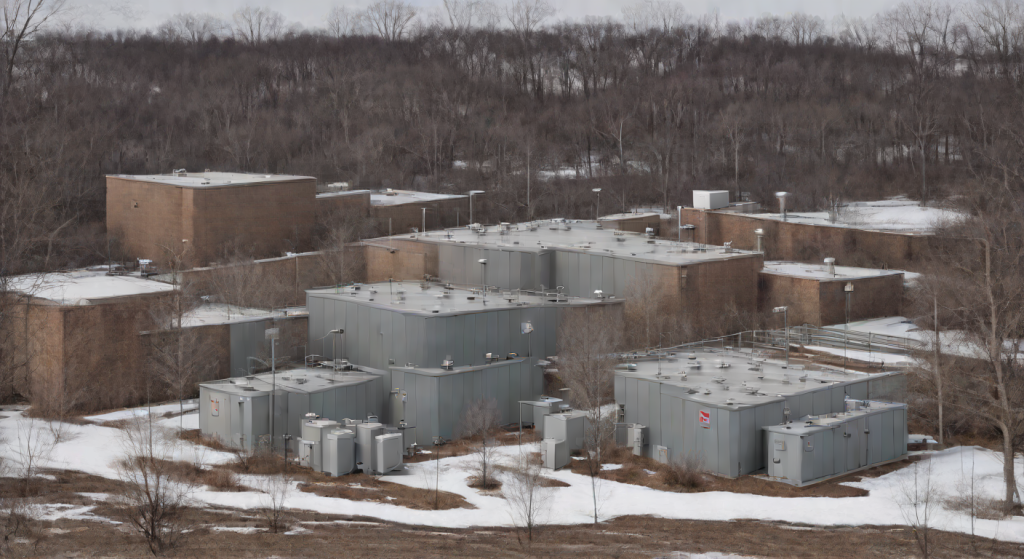
GridStor closed a $220 million debt financing on September 21, 2026 for the White Tank battery project in Maricopa County, Arizona. The facility is rated 100 MW and 400 MWh. ING Capital, KeyBank N.A. and Zions Capital Markets structured the package as a tax equity bridge, construction debt and term debt. GridStor expects the project in service in the first half of 2027.
The asset that the banks lent against is not really the battery. It is the contract. White Tank will run under a 20-year tolling agreement with Arizona Public Service. APS is the largest electric utility in the state and serves about 1.4 million homes and businesses.
What a toll does to the risk
Under a tolling agreement the utility pays for the right to charge and dispatch the battery. It keeps the arbitrage upside and carries the price risk. The owner collects a contracted payment whether or not the spreads show up.
That structure is what lenders underwrite. A merchant battery in the same county would face the same construction cost and the same equipment, and it would raise debt on far worse terms. Twenty years of utility payments turn a volatile asset into something close to a bond. The financing is the visible event. The tolling agreement is the reason the financing exists.
GridStor is backed by Goldman Sachs Asset Management. It manages a pipeline of more than 3 GW of battery storage in later-stage development or under construction across the western and central United States. White Tank is its fourth financing in twelve months.
Why It Matters
Arizona is setting demand records. APS notched a peak on August 2 that ran 5 percent above its previous record, which was set in 2025. The sources credit population growth, chip fabrication plants and data centers. A utility facing that curve has two ways to buy evening capacity. It signs long contracts, or it builds and rate-bases the asset itself.
APS chose the contract, and the twenty-year term is the number worth watching. Battery cells degrade, and the storage market in 2046 will not look like the storage market in 2027. A twenty-year toll locks a price against equipment whose replacement cost has fallen in most years of the last decade. That risk sits with the utility, which means it sits with ratepayers. Whether the deal looks cheap or expensive depends on a cost curve nobody in this transaction has to forecast out loud.
Critical Perspective
The reliability case and the delivery date do not line up. APS set its record peak on August 2. White Tank does not reach service until the first half of 2027. The battery bought to answer that peak is absent for the summer that produced it, and the utility carries the gap with whatever it already owns or contracts.
The financing structure carries its own exposure. A tax equity bridge is short-term debt repaid when tax equity funds, so it assumes the credits arrive on the terms underwritten today. That assumption has moved more than once in the last two years. The bridge sits ahead of the term debt in time, not in risk, and the lenders priced a 20-year utility contract behind it.
For APS the question is the back half of the term. A 20-year toll fixes a price against equipment whose cost per kilowatt-hour has fallen through most of the last decade, and against cells that degrade on a known curve. If storage keeps getting cheaper, years 12 through 20 look expensive to ratepayers. If it does not, the contract looks prudent. Neither party has to publish that forecast, and neither did.
Sources
- ESS News: GridStor wins financing for 400 MWh BESS in Arizona, tolling secured with state utility (September 22, 2026)
- Business Wire: ING Capital, KeyBanc Capital Markets, Zions Capital Markets and GridStor Announce Close of $220 Million Debt Financing Agreement (September 21, 2026)
- ABF Journal: ING Capital, KeyBanc, Zions and GridStor Close $220MM Debt Financing Agreement