Santa Monica Puts 130 DC Fast Ports Behind Big Blue Bus, With Eaton Supplying the Medium-Voltage Side
- EVs Fleet & Depot Charging News
Marin Holt
- 0
- 7 minutes read
- DC fast ports: 130
- Total investment: $56 million
- State funding: $53.3 million
- Buses to electrify: 195
- Target year: 2032
Santa Monica will install 130 DC fast-charging ports to electrify its Big Blue Bus fleet by 2032. ChargePoint and Eaton announced the partnership with the Santa Monica Department of Transportation on August 27, 2026. The work sits inside a $56 million investment in electric transit infrastructure. California’s Transit and Intercity Rail Capital Program supplies $53.3 million of that total. The plan covers 195 buses on a system that carries more than 10 million rides a year.
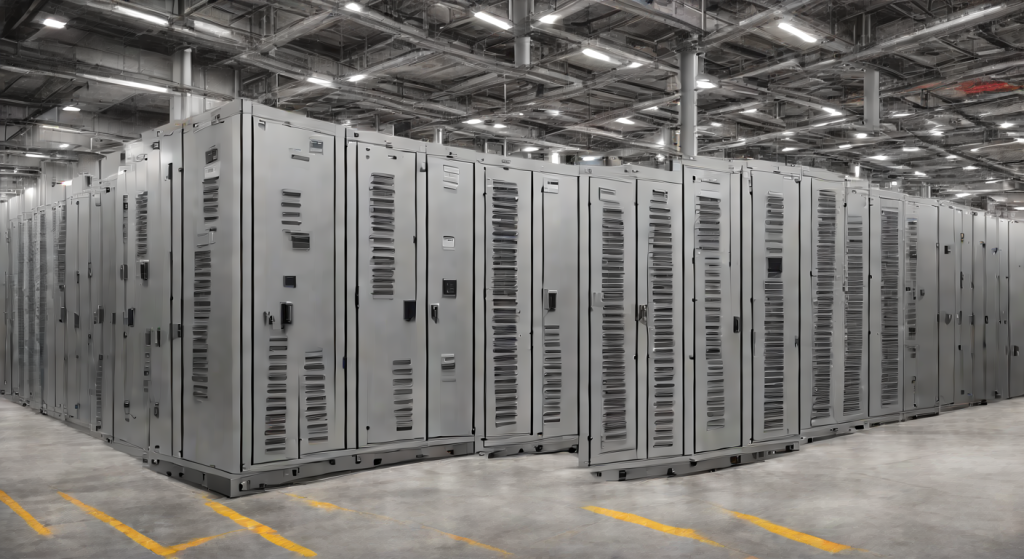
ChargePoint supplies the charging hardware from its Express Plus line, plus fleet software. Eaton supplies the part that decides whether the depot works at all: medium-voltage switchgear, switchboards, panelboards and engineering support. Earlier design work described overhead gantry charging rather than floor-mounted dispensers.
Why It Matters
The split of this announcement is the story. Two vendors share one depot, and the medium-voltage scope is a separate line item. A 130-port depot is a substation problem before it is a charger problem. Neither company gave a service-capacity figure. The connection size stays the open question.
The math is worth doing anyway. Neither company published a per-port rating. At a modest 150 kW per port, 130 ports would draw 19.5 MW if they ever ran together. No transit depot charges every bus at once. The real number depends on the dispatch schedule and on how hard the fleet software staggers starts. The switchgear and the utility service must cover that gap between nameplate and coincident demand, which is exactly why an operator buys energy management alongside the hardware.
Transit agencies planning similar conversions should read the 2032 date next to the 2026 announcement, because six years for 195 buses is a slow and funded ramp rather than a pilot. The funding came through in April 2026, and the vendor selection landed four months later.
Critical Perspective
The funding split is the part nobody highlighted. California’s Transit and Intercity Rail Capital Program covers $53.3 million of the $56 million, which is 95 percent. Santa Monica is putting in about $2.7 million. That makes this a state-funded capital program with a municipal operating bill attached, and the operating bill is the half that never came with a grant. Demand charges on a depot this size do not qualify for capital funding.
Then there is the ratio. 130 ports for 195 buses is 0.67 ports per bus, so a third of the fleet cannot be plugged in at any one moment. That is a normal and sensible design choice, and it makes the dispatch software load-bearing rather than convenient. Sequential charging is what keeps the service connection affordable. It is also a single point of failure that a spreadsheet of port counts will not show.
Six years is the other risk. The city announced vendor selection in 2026 for a fleet that goes fully electric in 2032. Charging hardware installed early in that window will be most of a product generation old by the end of it, and the Express Plus units commissioned first will need a support commitment that outlives the purchase order.