Army Awards $45 Million Fort Buchanan Microgrid, Built to Run the Base for 14 Days Without the Puerto Rico Grid
- Microgrids Military & Defense News
Marin Holt
- 0
- 8 minutes read
- Contract value: $45,001,324
- Island endurance: 14 days
- New diesel generation: 8 MW
- Protected fuel storage: 12 tanks of 12,000 gallons
- Completion due: October 5, 2029
The U.S. Army Corps of Engineers has awarded Energy Resilience Partners LLC a firm-fixed-price contract worth $45,001,324 to build a microgrid at Fort Buchanan, Puerto Rico. The Defense Department listed the award in its August 20, 2026 contract notice. The job drew four bids. It came in about $7 million under the $52 million the Army estimated in 2025. Work must finish by October 5, 2029.
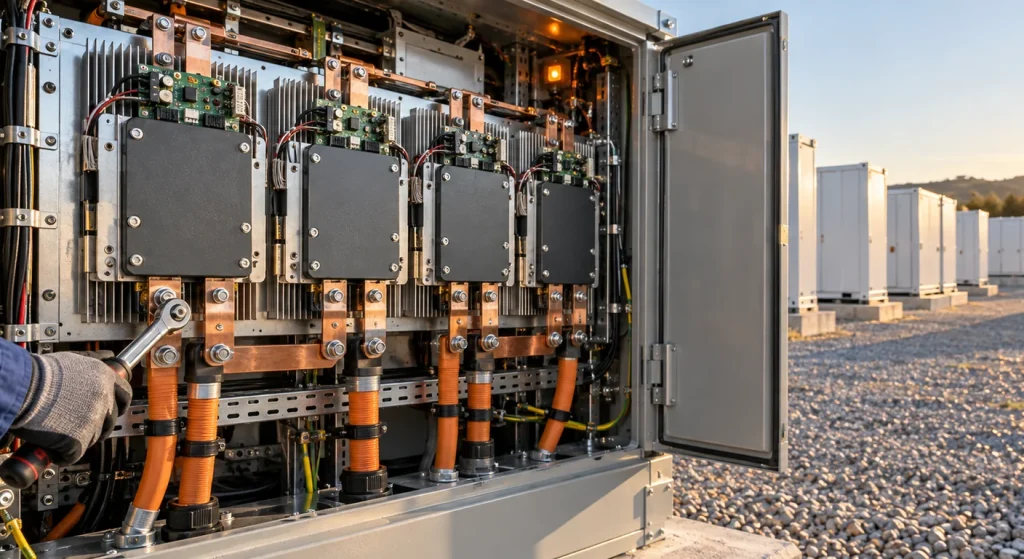
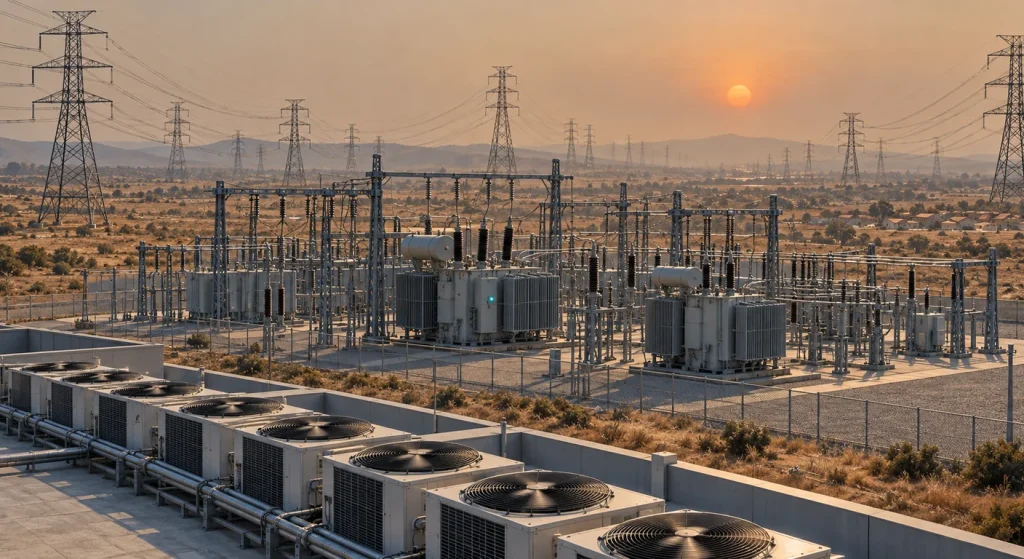
The design must sustain critical operations for 14 days without the commercial grid. To reach that, the scope calls for roughly 8 MW of new diesel generation. It adds 12 above-ground ballistic-resistant fuel tanks of 12,000 gallons each. A fuel polishing system keeps the stored diesel clean. The microgrid also ties in the installation’s existing 4.65 MW solar array and two 275 kW wind turbines.
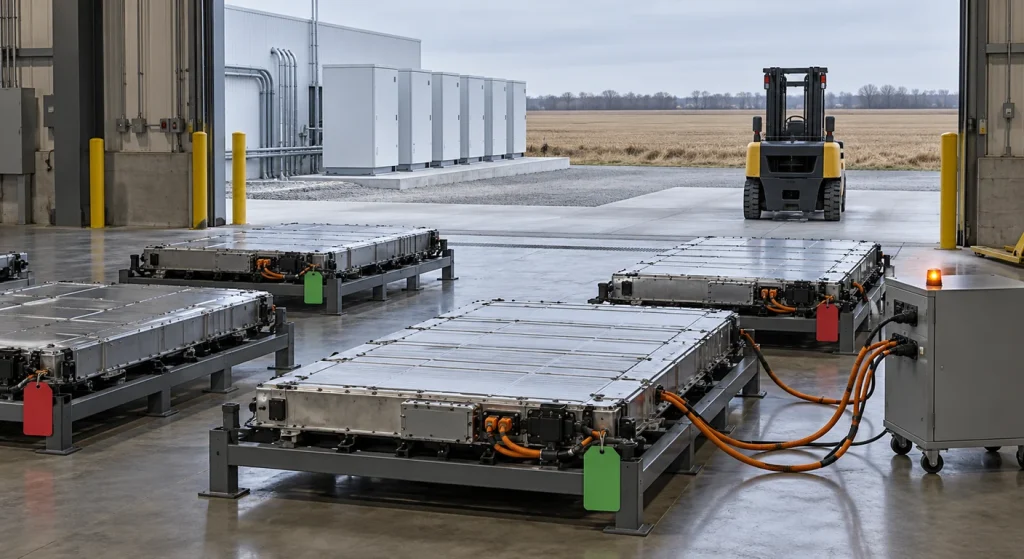
A 4 MWh battery storage system sits in the contract as an option, not base scope. That single line separates this project from most mainland resilience microgrids. The Army bought fuel and rotating machines first. It left the battery to exercise later.
Energy Resilience Partners is based in Belcourt, North Dakota. It works under Chippewa Sustainable Solutions Inc., a tribally owned SBA 8(a) and HUBZone enterprise of the Turtle Mountain Band of Chippewa Indians. Indian Energy LLC, a Native-owned microgrid developer, partnered with the tribe to create that firm. Fort Buchanan is the only U.S. Army installation in the Caribbean.
Why It Matters
Fourteen days is a hurricane number, not a generic resilience target. Hurricane Maria left parts of Puerto Rico dark for months in 2017. The island grid has stayed fragile since. A 14-day requirement pushes the design toward stored fuel. Solar and batteries cannot hold a two-week island through a storm week with no sun. So 144,000 gallons of protected diesel does the work.
The bid spread is the useful signal for anyone pricing similar work. Four bidders, and a price $7 million under the government estimate, point to real competition in island-mode military microgrids. Buyers should also note the option structure. A program office parks storage in an option when the base load does not need it. That protects the schedule.
Critical Perspective
Read the option line again. The 4 MWh battery is not in base scope, so the resilience the Army actually bought is 144,000 gallons of protected diesel and roughly 8 MW of engines. The existing 4.65 MW solar array and the two 275 kW wind turbines were already on the installation. Tying them in is integration work, not new capacity. If the option is never exercised, this project adds no storage at all, and the press framing around renewable integration rests entirely on 5.2 MW of generation that survived, or did not survive, previous storms on its own.
The schedule deserves the same scrutiny. Work is due to finish October 5, 2029. The Atlantic hurricane season runs June through November, so Fort Buchanan will pass three full seasons, and most of a fourth, before this microgrid protects anything. The contract does not change the base’s position for the 2026, 2027 or 2028 seasons.
A price $7 million under the government estimate reads as competitive tension, and four bids support that. It is also what a mostly-diesel scope with the storage carved into an option should cost. The estimate was set in 2025. Whether the Army saved money or simply priced a simpler machine is not answerable from the award notice.
Sources
- News is my Business
- Tribal Business News
- U.S. Department of War contract announcement, Aug. 20, 2026
- DVIDS: Military construction continues at Fort Buchanan
- U.S. Army: Energy Resilience in the Caribbean