Otter Tail Power’s First Battery Is a 1 MW, 6 MWh Eos Zinc System That Will Not Run Until 2027
- C&I Storage Energy Storage News
Marin Holt
- 0
- 7 minutes read
- Capacity: 1 MW / 6 MWh
- State trust fund grant: $2.408 million
- Otter Tail contribution: $2.5 million
- Commissioning: 2027
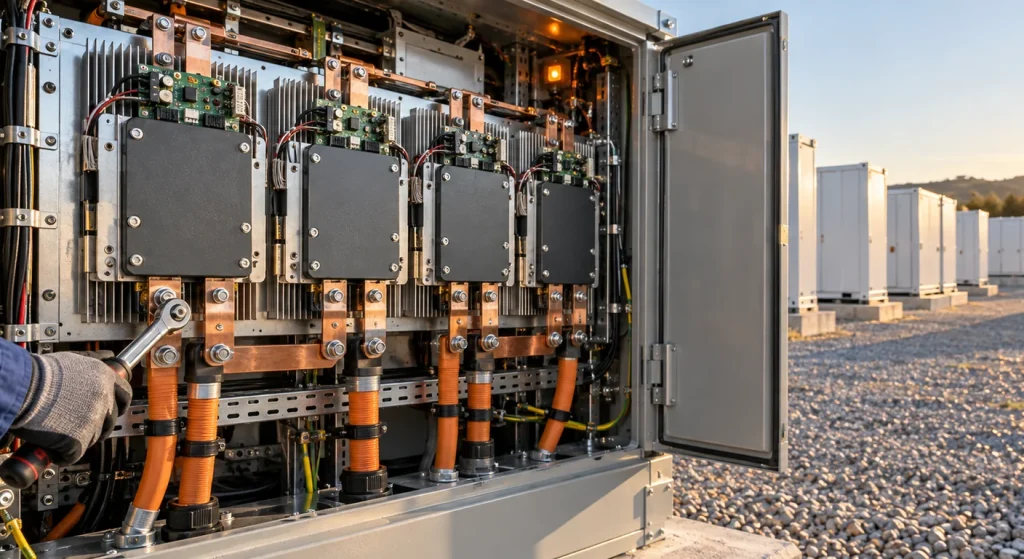
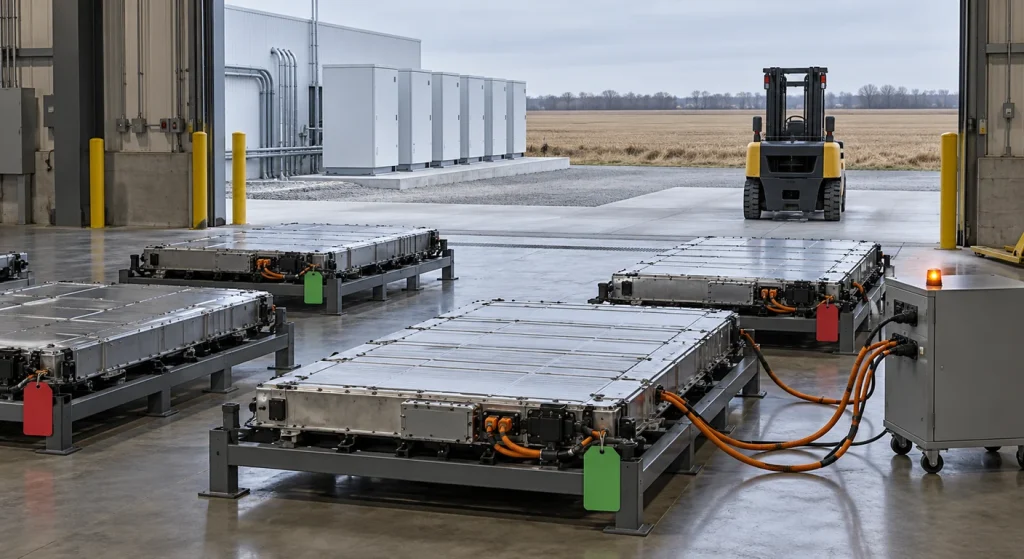
Otter Tail Power Company will install a 1 MW, 6 MWh zinc battery at the University of Minnesota Morris in western Minnesota. It is the utility’s first battery energy storage system. The Minnesota Public Utilities Commission approved the investment in March 2026. Eos Energy Enterprises supplies the Z3 system, which discharges for six hours. Otter Tail expects to commission the battery in 2027.
The Minnesota Environment and Natural Resources Trust Fund contributed $2.408 million. The state appropriated that money in 2021. Otter Tail Power adds $2.5 million, which covers 90 percent of the battery purchase. The utility will own and operate the battery. It connects directly to Otter Tail’s distribution network, not to the campus behind a meter.
Why Zinc Instead of Lithium
Eos builds an aqueous zinc battery rather than a lithium-ion pack. The chemistry operates between -20 degrees C and 50 degrees C without HVAC support. It needs no circulation pumps, which flow batteries require. Eos also rates the cells as non-flammable. Those three properties decide the case. Minnesota winters fall well below the operating floor of most lithium installations.
Otter Tail plans a 20-year operating life for the system. The utility frames the project as a test rather than a resource addition. Bryan Herrmann is vice chancellor for finance and facilities at UMN Morris. “There are no other long-duration energy storage demonstrations like this in the Upper Midwest,” he said.
The Campus Already Runs on Its Own Power
UMN Morris generates more than 60 percent of its daily electricity from on-site wind turbines and solar arrays. The campus already operates lithium-ion storage, thermal storage and an agrivoltaics installation. OATI supplies its GridMind software to schedule the battery. Burns & McDonnell provides engineering support. The site sits beside a campus walkway so that visitors see the equipment.
Why It Matters
Utilities in cold climates carry a real problem with lithium storage. Thermal management draws parasitic load and adds failure points at low temperature. A six-hour zinc battery on a distribution feeder tests whether a non-lithium chemistry holds up through a Minnesota winter without that overhead.
The timeline deserves scrutiny. The legislature appropriated the trust fund money in 2021. The battery reaches service in 2027, six years later. Utility planners who cite this demonstration in a resource filing will wait until 2028 for a full year of winter performance data. At 1 MW the system also proves very little about scale. It answers a chemistry question, not a capacity question.
Critical Perspective
The cold-weather claims here are vendor specifications, not field results. Eos rates the Z3 for -20 degrees C to 50 degrees C operation, but the whole point of the project is that nobody has run this chemistry through a Minnesota winter on Otter Tail’s distribution system. The utility is buying the answer, not reporting it.
The funding split deserves a closer read. Otter Tail puts in $2.5 million and the state trust fund puts in $2.408 million, so the utility carries slightly more than half the cost of a demonstration it describes as a learning exercise. Ratepayers ultimately stand behind that share. A 1 MW asset also produces thin dispatch data. Otter Tail will learn whether the chemistry survives the cold, but it will not learn how a fleet of these behaves during a winter peak, which is the question its next resource plan actually has to answer.
Sources
- Batteries & Energy Storage Technology: Otter Tail Power picks 1MW/6MWh zinc system for first BESS
- Solar Power World: Minnesota college to add zinc battery to extensive green energy portfolio
- OATI: Partners with University of Minnesota Morris and Otter Tail Power Company to Expand Renewable Energy Storage
- Otter Tail Power Company Newsroom