Arevon’s 300 MW / 1,200 MWh Nighthawk Battery Starts Up in Poway on a PG&E Contract Signed in 2021
- Energy Storage News Utility-Scale BESS
Marin Holt
- 0
- 6 minutes read
- Capacity: 300 MW / 1,200 MWh
- Duration: 4 hours
- Financing Closed: $920 million
- Offtake Contract Signed: 2021
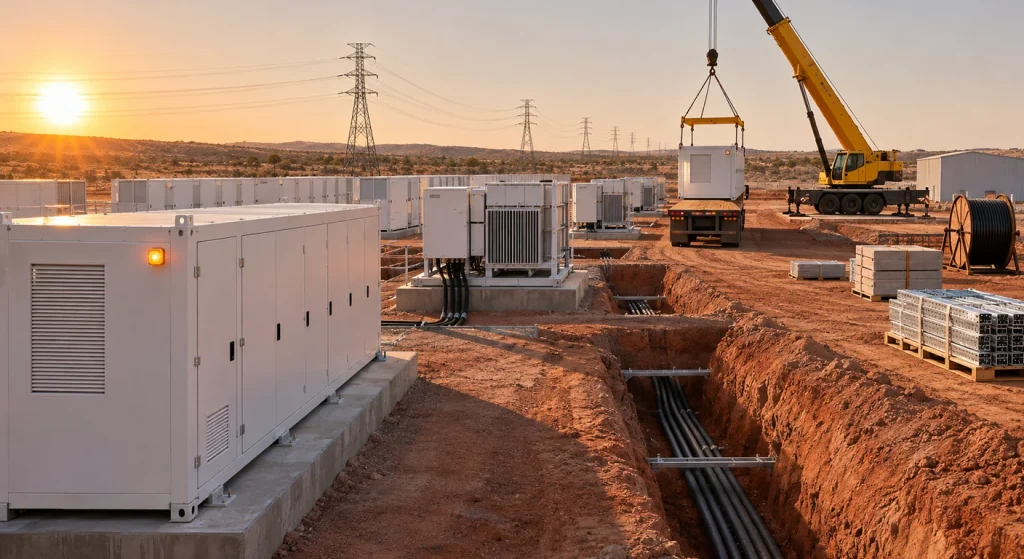
Arevon Energy started commercial operation at its Nighthawk Energy Storage Project in Poway, California on August 12, 2026. The plant is rated 300 MW and 1,200 MWh. That is 4 hours at full output, and it is the largest standalone storage asset Arevon owns. The cells are lithium iron phosphate.
The contract behind it is five years old. Arevon signed a long-term deal in 2021 to sell Nighthawk’s energy and resource adequacy to Pacific Gas and Electric. Poway sits in San Diego County, well outside PG&E’s service territory. California treats resource adequacy as a statewide product. The battery therefore counts toward PG&E’s obligation no matter where it stands.
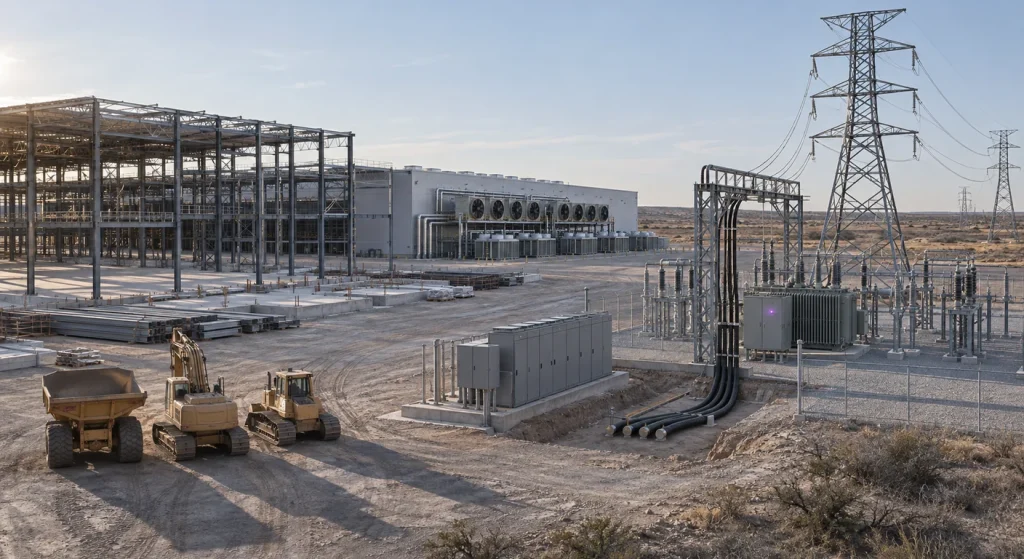
Arevon closed $920 million in financing for the project and broke ground in August 2025. Peak construction put more than 130 workers on site. The company expects Nighthawk to pay Poway more than $30 million in property taxes over the life of the plant.
Five Years From Signature to Startup
The gap between the 2021 contract and today is the number worth holding onto. Whoever signed storage offtake in 2021 set that price before the 2022 cell-price spike, before the Inflation Reduction Act rewrote the tax-credit math, and before California interconnection queues ran past five years. Arevon then had to build through all three.
That cuts both ways. Utilities holding old storage contracts now buy capacity at prices that look cheap. Developers holding them have eaten the cost increases. Neither side priced a 2021 battery for the market it runs in today.
Why It Matters
Four hours is not an engineering preference. It is the duration California’s resource adequacy rules reward. That is why almost every merchant battery in the state lands on the same number. Nighthawk exists to cover the evening ramp, when the solar fleet drops off and demand does not.
Arevon says the plant holds enough energy for up to 385,000 homes for four hours. Treat that as arithmetic, not as a job description. Nighthawk will not serve 385,000 homes. It will push about 300 MW into a San Diego pocket of the CAISO system for a few hours on the tightest evenings of the year. That narrow job is the one the grid needs filled.
Critical Perspective
Resource adequacy is a paper obligation before it is a physical one. Nighthawk sits in San Diego County and counts toward a PG&E requirement, so the contract moves a credit rather than electrons up the state. On an evening when the San Diego pocket is itself short, the battery serves the grid around it. Whether that helps PG&E customers depends on transfer capability the announcement does not address.
The 2021 signature date cuts against the celebration too. A contract struck five years ago set the price, and neither Arevon nor PG&E has said what Nighthawk earns. Without that figure the $920 million financing and the 385,000-home line say nothing about whether the project pencils at today’s costs. Arevon has not published one, and the trade coverage has not asked.