ESS Tech Launches Bridge Sodium-Ion Battery, 4.8 MWh Per 20-Foot Container to Rival Tesla’s Megapack
- C&I Storage Energy Storage Product
Marin Holt
- 0
- 6 minutes read
- Product: Bridge modular sodium-ion BESS
- Building block: 1.2 MWh per unit
- Container capacity: 4.8 MWh per 20-foot container
- Company: ESS Tech, Wilsonville, Oregon
- Sodium-ion pipeline: 8.5 GWh Alsym LOI
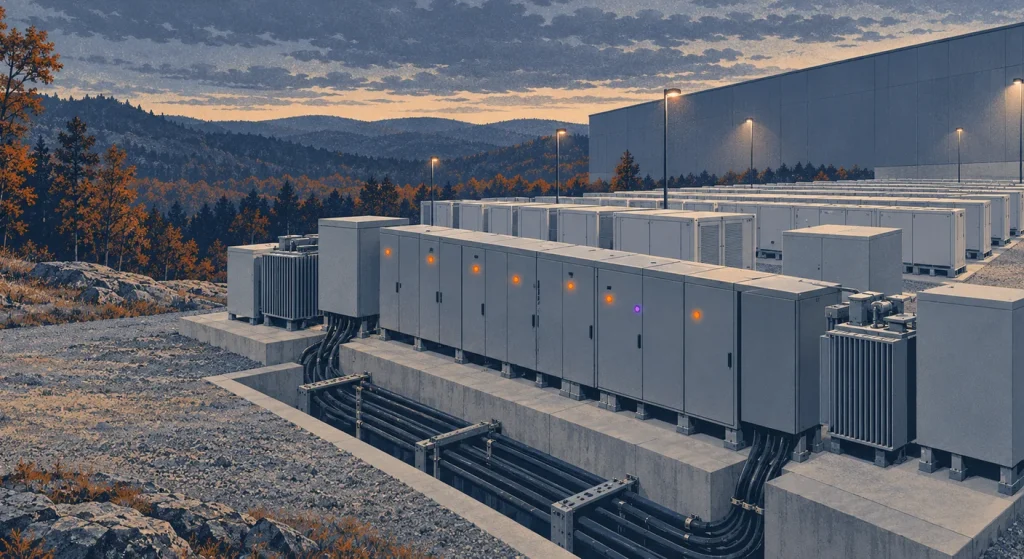
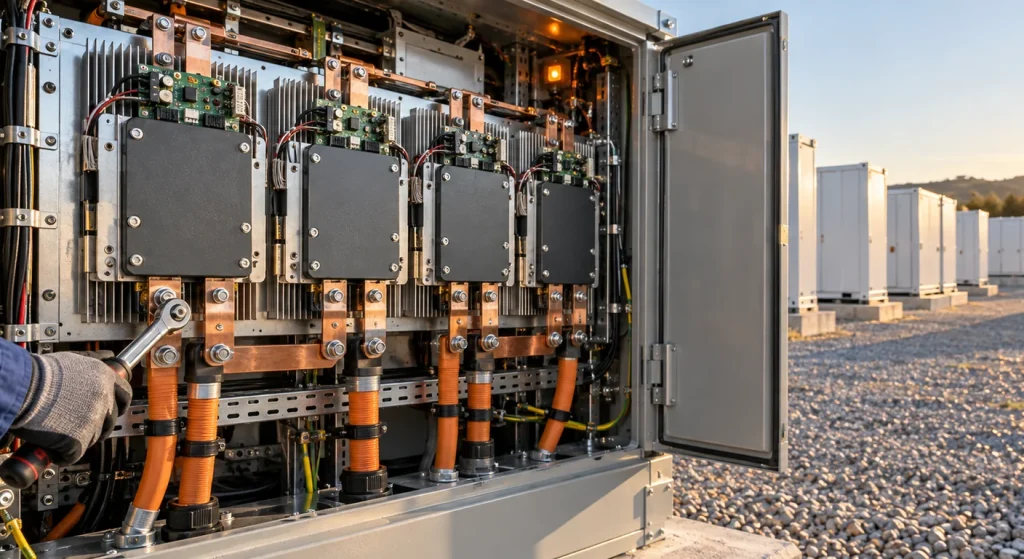
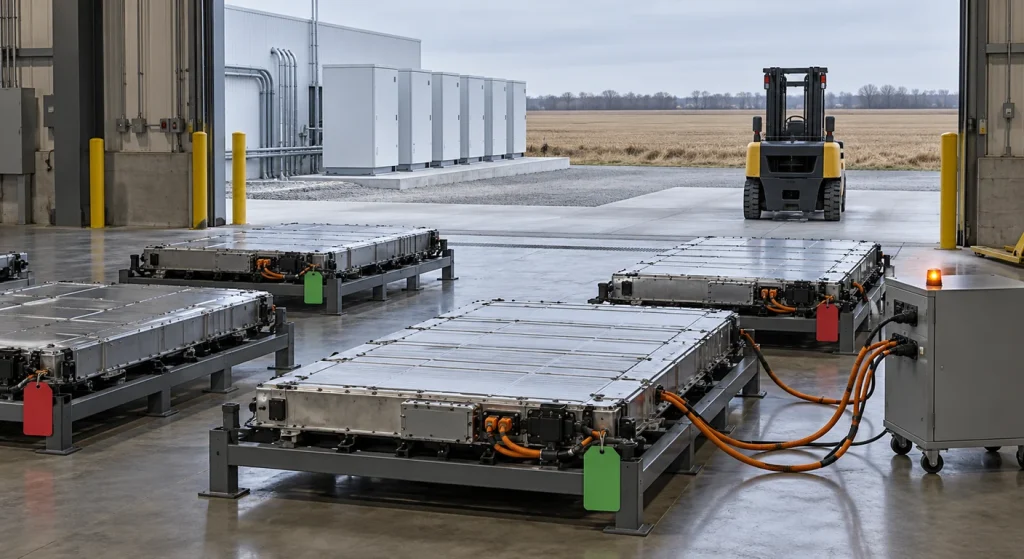
ESS Tech unveiled Bridge, a modular sodium-ion battery system, on July 8, 2026, aiming it at the utilities, AI data centers and commercial and industrial sites that need the short- and medium-duration storage the Wilsonville, Oregon company’s iron-flow batteries were never designed to serve. Each Bridge unit is a 1.2 MWh building block, and the units stack to 4.8 MWh inside a standard 20-foot container, roughly the energy of the latest generation of Tesla’s Megapack in the same footprint.
The launch is a pivot for ESS Tech, which spent 15 years building iron-flow batteries for eight- to 22-hour long-duration storage before demand pulled it toward shorter durations. Bridge follows the company’s April 2026 letter of intent with Alsym Energy to add 8.5 GWh of sodium-ion capacity, a partnership ESS says has since generated more than $1 billion in early-stage customer interest. The product extends ESS into the shorter-duration segment where most data-center and C&I load sits.
What’s Genuinely New
Bridge is a new chemistry and form factor for ESS, not a relabeled iron-flow unit. Sodium-ion sidesteps the lithium, cobalt and nickel supply chains that lithium-ion depends on, and carries a lower thermal-runaway risk, while Bridge matches Megapack-class energy density in a shipping-container footprint, a combination ESS did not previously offer. The company has not disclosed a price, a cycle-life rating, or any named customer or delivery date, so buyers have no way yet to model Bridge’s total cost against an established lithium-ion product.
How It Compares
Bridge enters a sodium-ion field that is still forming. Peak Energy, working with RWE, deployed what it billed as the first grid-scale sodium-ion battery in the United States earlier in 2026, and Tesla’s lithium-ion Megapack sets the density benchmark Bridge is measured against. A second domestic sodium-ion contender at Megapack density moves the chemistry closer to a real alternative for large loads, provided ESS follows the launch with pricing and shipments.
Critical Perspective
Bridge stacks to 4.8 MWh in a 20-foot container, matching Megapack-class density, yet ESS has disclosed no price, cycle-life rating, or delivery date to model it against. CATL’s Naxtra sodium-ion line, already in mass production since 2025 with a published cycle-life figure, shows what a buyer needs before committing, and none of it is on the table here. A123 Systems launched to similar fanfare in 2009 and filed for bankruptcy in 2012 when a pipeline of interest never converted to volume orders, a warning for any company whose stock has slid from about $300 to under $1. How much of ESS’s claimed $1 billion in early-stage interest becomes a signed order once a price and a cycle-life number finally exist?
Why It Matters
Data centers and industrial buyers now have another U.S.-made sodium-ion option sized to slot into existing container pads. For a company whose stock has fallen from about $300 a share after its 2021 debut to under $1, Bridge is also a test of whether ESS will convert a $1 billion pipeline of interest into orders in a market Tesla and a wave of sodium-ion entrants are already contesting.
Sources
- ESS, Inc.: ESS Introduces Bridge, a Modular Sodium-Ion BESS (July 8, 2026)
- pv magazine USA: ESS introduces sodium-ion battery targeted at data centers (July 8, 2026)
- Utility Dive: ESS Tech launches 1.2-MWh sodium-ion ‘building block’ system (July 14, 2026)
- Solar Builder: ESS Tech debuts new sodium-ion battery system for large-load applications (July 8, 2026)
| This articleESS Bridge | Tesla Megapack | Peak Energy sodium-ion | |
|---|---|---|---|
| Chemistry | Sodium-ion | Lithium-ion | Sodium-ion |
| Container energy | 4.8 MWh / 20-ft | ~4.8 MWh / 20-ft | Grid-scale |
| Status (2026) | Launched Jul 8 | Commercial | Deployed w/ RWE |