Monterey County Jail Deploys 1.243 MW Solar Carport and Tesla

- Solar Capacity: 1.243 MW
- Battery Storage: 1.043 MW / 2.087 MWh
- Annual Generation: more than 2,000 MWh
- Lifetime Savings: more than twelve million dollars
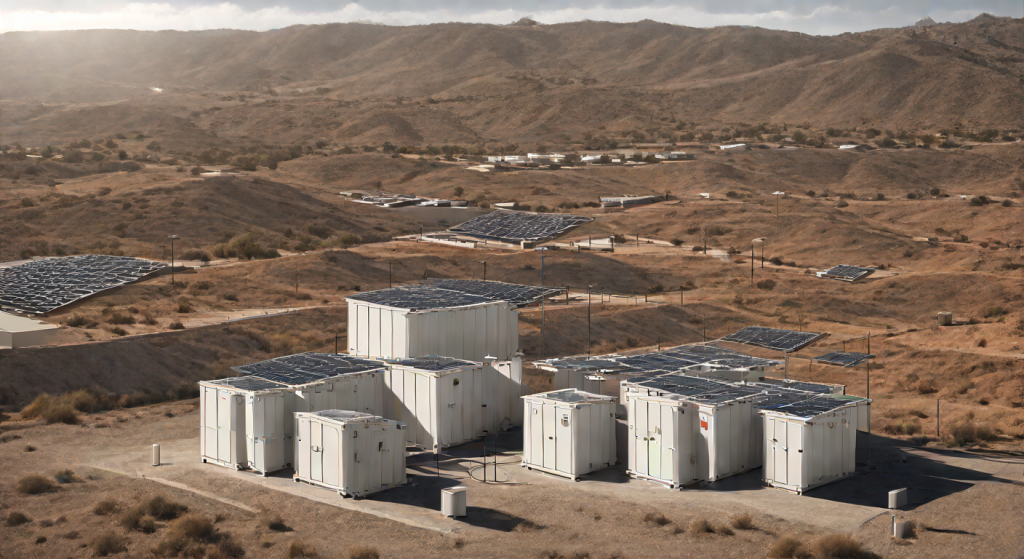
The Monterey County Sheriff’s Office in California achieved permission to operate a 1.243 MW solar carport paired with a 1.043 MW / 2.087 MWh Tesla battery system in December 2025, capping a project that its developer projects will save the county more than twelve million dollars over the system’s life. The installation is expected to generate more than 2,000 MWh of clean electricity annually, offsetting an estimated 55 percent of the jail’s annual energy consumption.
What Was Built
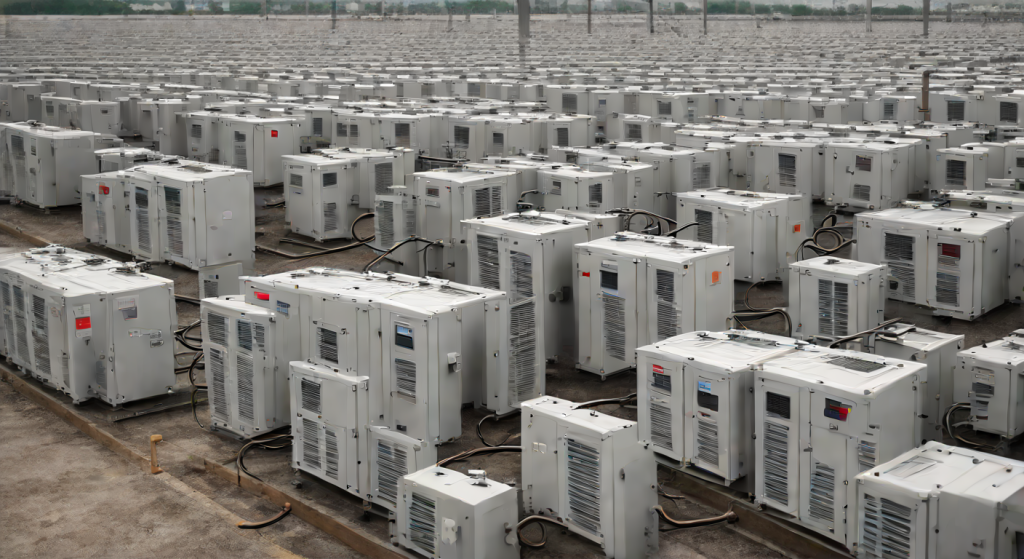
Mynt Systems led development with co-developer and financier Sunrock. The solar array covers a parking carport structure at the jail facility. The Tesla battery system stores mid-day solar generation and dispatches it during evening peak hours, when Monterey County’s demand charges are highest. The 2.087 MWh battery can cover the facility’s critical load for several hours in an outage.
The system is sized to offset 55 percent of the jail’s annual energy consumption, with the county retaining the excess for grid export credits. California’s net billing tariff allows commercial and government customers to export surplus solar generation for bill credits, improving project economics without requiring a power purchase agreement.
Why It Matters
County jails and correctional facilities represent a largely untapped segment for solar-plus-storage projects. They operate around the clock with predictable load profiles and high demand charges, making them strong candidates for behind-the-meter storage. The 24/7 operation also means solar generation can be consumed directly without significant curtailment.
California’s state agencies have been under pressure to reduce energy costs amid rising utility rates. Pacific Gas and Electric, which serves Monterey County, raised residential and commercial rates by an average of 9 percent in 2024 and filed for further increases in 2025. At twelve million dollars projected over the project lifetime, the Monterey County installation demonstrates that public facilities with high demand charges and government creditworthiness can attract commercial financing without upfront capital.
Critical Perspective
The twelve million dollar savings figure covers the full project lifetime – typically 20-25 years – which means annual savings of roughly $480,000–$600,000. That represents meaningful demand charge reduction for a county facility, but the calculation assumes PG&E rate escalation at projected levels. If California’s current rate design reform debates reduce time-of-use and demand charge tiers, the economics of projects like this could erode after year five or ten, when battery replacement costs also become relevant.
Sources
- https://www.solarpowerworldonline.com/2026/04/california-county-jail-to-save-12-million-in-energy-costs-with-solar-carport-and-tesla-battery
- https://www.indexbox.io/blog/solar-and-battery-storage-project-now-operational-at-monterey-county-jail/
- https://solartex.co/california-county-jail-to-save-12-million-in-energy-costs-with-solar-carport-and-tesla-battery/