EnerVenue Closes $300M Series B to Scale Nickel-Hydrogen Battery
- Energy Storage Grid Services & Demand Response News Utility-Scale BESS
Marin Holt
- 1
- 4 minutes read
- $300M Series B extension closed March 31, 2026; led by Full Vision Capital; Aramco Ventures strategic investor; total raised ~$445M
- Manufacturing target: 250 MWh line groundbreaking 2026 in Changzhou, China; 1 GWh mid-term
- Technology: nickel-hydrogen cells, water-based electrolyte, 30,000-cycle claim, up to 3 daily cycles
- New CEO Henning Rath (ex-Enpal supply chain chief); commercial expansion: Asia, Middle East, Europe
- 30,000-cycle figure is an assertion, not independently audited at commercial scale; prior $515M per 2024 SEC filing
What Is Being Funded
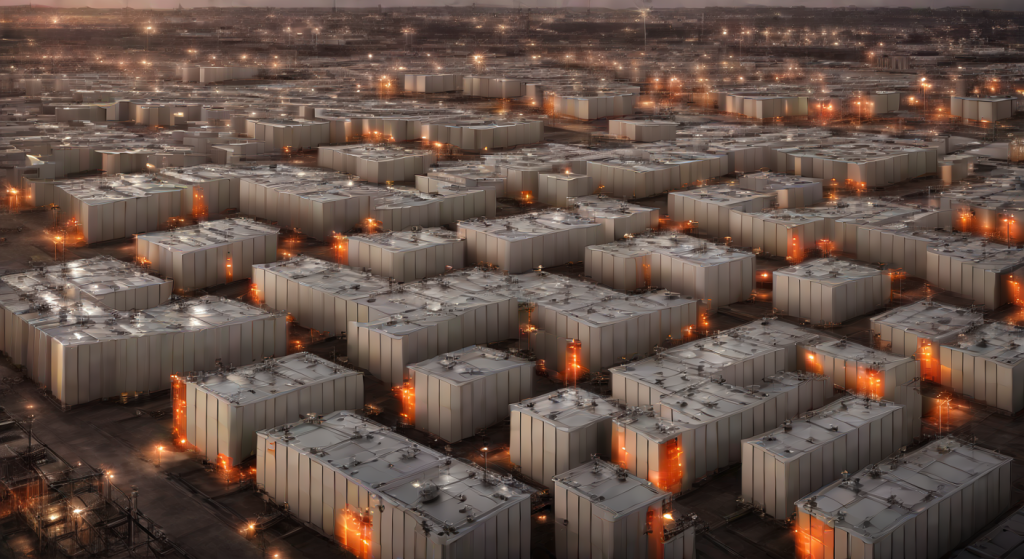
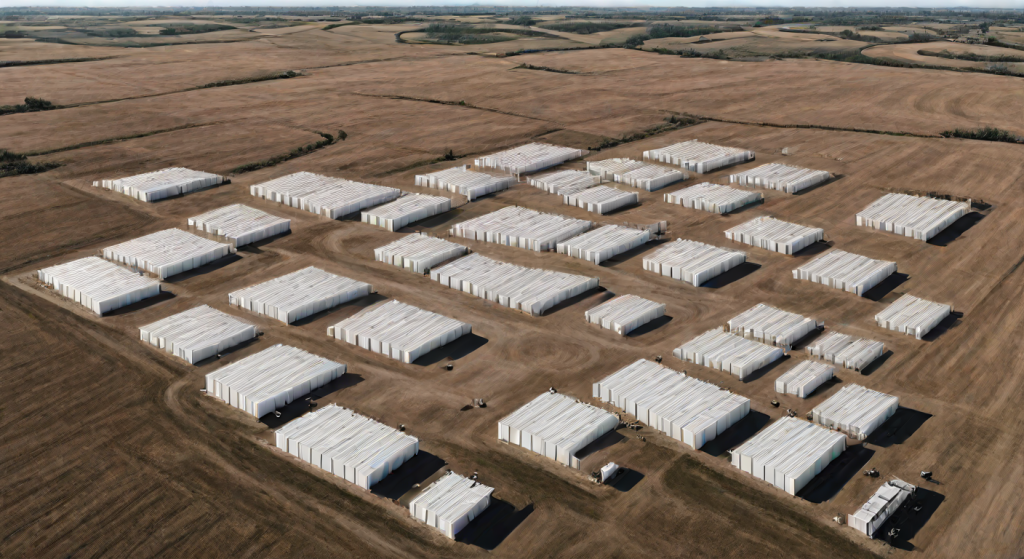
EnerVenue’s energy storage vessels (ESVs) adapt nickel-hydrogen cell technology originally developed by NASA in the 1980s and commercialized through research by Stanford professor Yi Cui starting in 2017. The cells use a water-based electrolyte, eliminating the flammable organic solvents used in lithium-ion systems. EnerVenue asserts that its ESVs exceed a 30,000-cycle lifespan and support up to three charge-discharge cycles per day, which the company estimates represents 4 to 6 times higher throughput than standard lithium-ion batteries. R&D operations remain in Silicon Valley, focused on the company’s aqueous metal cell technology.
The $300 million fully funds EnerVenue’s near-term 250 MWh manufacturing capacity target and a mid-term 1 GWh target. New CEO Henning Rath, appointed at the round’s close, previously served as chief supply chain officer at German solar firm Enpal. The company plans to expand commercial operations across Asia, the Middle East, and Europe.
Why It Matters
Grid-scale storage buyers have faced persistent concerns about lithium-ion fire risk following a series of high-profile BESS incidents across the US, Australia, and South Korea in recent years. EnerVenue’s water-based chemistry removes the thermal runaway pathway entirely. The 30,000-cycle claim, if validated at scale, would also extend asset life significantly beyond the 3,000–6,000 cycles typical of lithium iron phosphate systems currently dominating utility procurement. Aramco Ventures’ participation signals interest from oil-and-gas sector energy transition capital in non-lithium chemistries.
Critical Perspective
EnerVenue’s manufacturing base in Changzhou introduces supply chain and geopolitical risk that US grid buyers may weigh against fire-safety benefits — the same concerns raised about other Chinese-manufactured BESS hardware. Nickel-hydrogen cells carry higher per-kWh capital costs than lithium iron phosphate at current production volumes; whether Changzhou-scale output brings costs to a competitive range has not been publicly demonstrated. The 30,000-cycle figure is an assertion, not yet an independently audited operating result at commercial scale. EnerVenue raised $515 million in a prior round per a 2024 SEC filing before closing this $300 million extension — the path from capital raised to gigawatt-scale delivery remains to be proven.