Solid-State Transformer Telemetry and IoT Integration: The Operational Data Layer That Iron-Core Transformers Never Had

- SST telemetry: voltage/current at kHz rates, temperature at Hz rates, fault events, control-loop metrics
- Single 5 MW MV-SST data rate: ~100 kbps sustained, 1 Mbps burst during transients
- Integration protocols: IEC 61850, DNP3 for SCADA; cloud IoT for full analytics
- Conventional iron-core transformers have no comparable telemetry capability
- SST industry increasingly a data-product industry alongside hardware-product industry
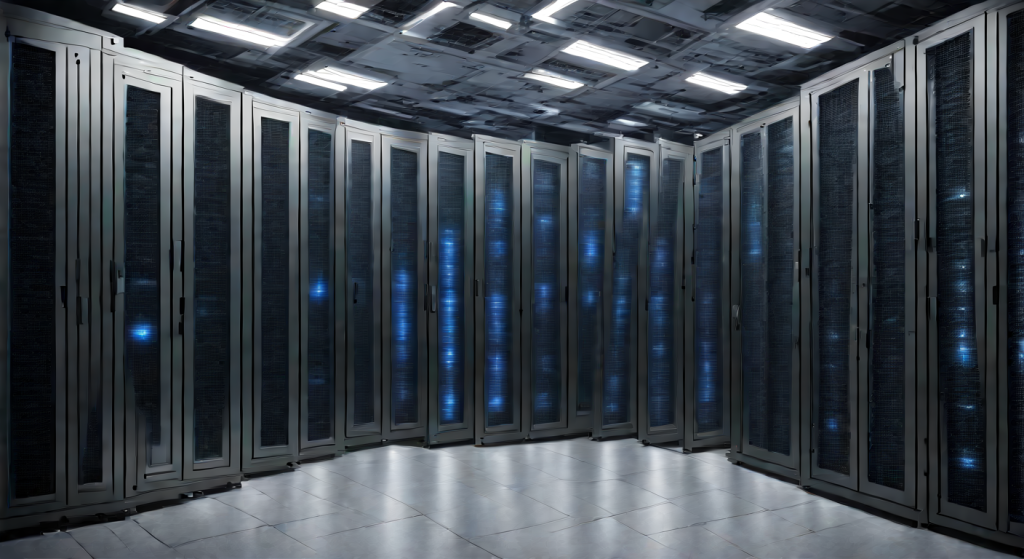
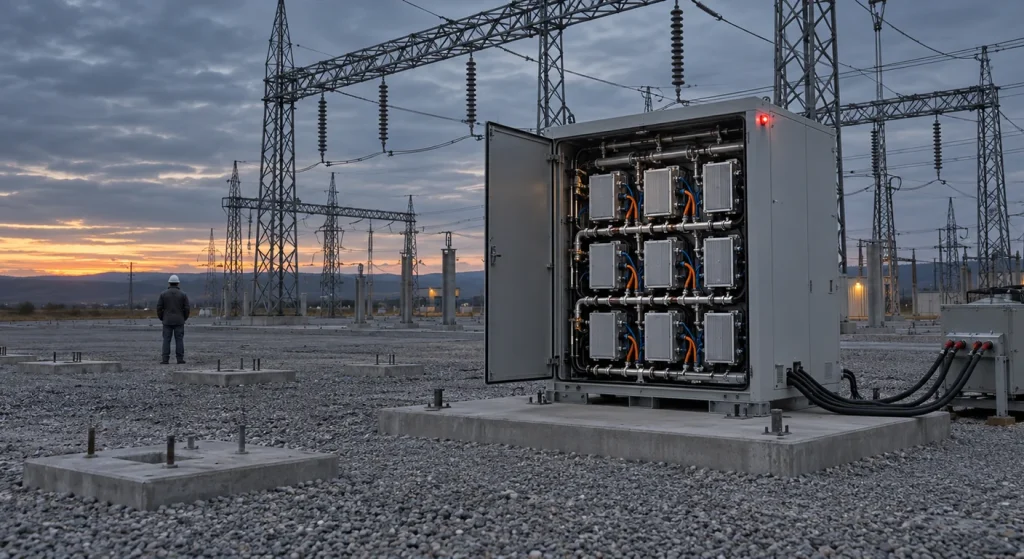
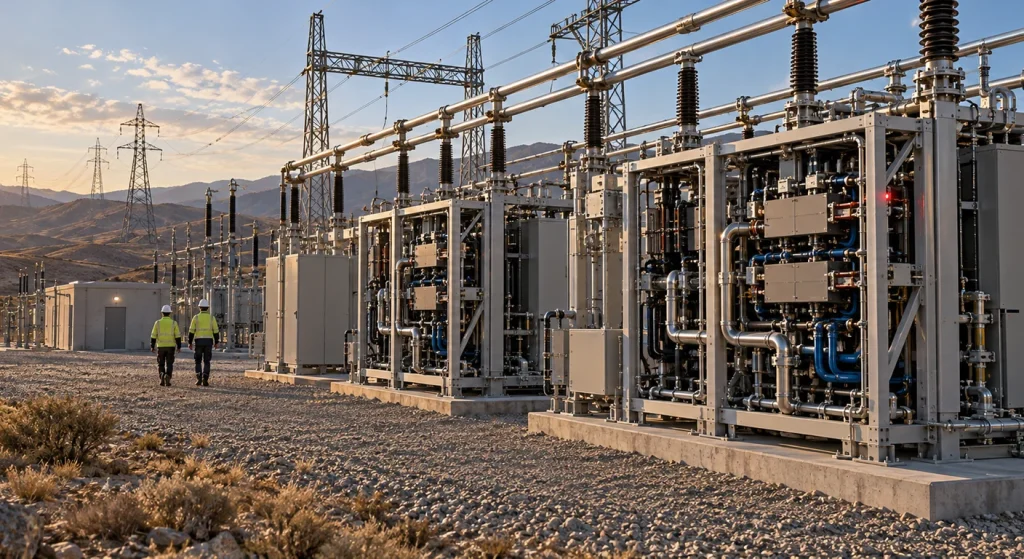
A solid-state transformer (SST) generates more operational data per unit time than every iron-core distribution transformer in a US utility’s service territory combined. The SST’s converter control plane samples voltage, current, temperature, switching state, fault status, and dozens of other parameters at kilohertz rates. The resulting telemetry stream is the most valuable byproduct of SST deployment, and the integration of that stream into utility supervisory control and data acquisition (SCADA), enterprise asset management, and Internet-of-Things analytics platforms is the operational story the SST industry has not yet collectively told.
The telemetry stream from a single MV-SST typically includes: input-side voltage and current at the medium-voltage utility connection (3-phase, sampled at converter switching frequency); output-side voltage and current at the LV or DC distribution connection (sampled at the same rate); medium-frequency transformer winding temperature (sampled at 1 to 10 hertz); DC-link voltage and capacitor temperature (sampled at 100 hertz to 1 kilohertz); SiC MOSFET module junction temperature (sampled at 10 to 100 hertz per device); cooling system flow rate, coolant temperature, pump current; protective relaying events and fault counters; and software-watchdog and control-loop performance metrics.
The aggregate data rate from a 5-megawatt MV-SST is approximately 100 kilobits per second sustained, with bursts to 1 megabit per second during transient events. Multiplied across a utility-scale deployment of even a few hundred SST units, the data volume reaches utility-data-warehouse scale and requires the same data-management discipline that smart-meter rollouts have required since 2010.
The commercial value extracted from the telemetry stream depends on the analytics infrastructure the utility operates. The minimum case is local fault recording — the SST stores transient events to local memory for retrieval during maintenance visits. The next level is real-time event streaming to a utility SCADA system using IEC 61850 or DNP3 protocols. The fullest implementation is cloud-streaming to an Internet-of-Things analytics platform that fuses SST telemetry with other distribution-equipment telemetry, weather data, and load-forecast data.
The strategic implication is that the SST industry is increasingly a data-product industry as well as a hardware-product industry. Eaton, ABB, Hitachi Energy, Schneider Electric, and Siemens each have significant analytics-platform investments that complement their SST hardware product lines. The startups (DG Matrix, Amperesand, Heron Power) are choosing whether to build analytics platforms internally, to partner with established analytics vendors, or to provide raw telemetry streams for customer-built analytics. Where the data-product ecosystem converges by 2028 will determine which SST manufacturers capture the durable revenue tied to operational data rather than just to hardware sales.
Why It Matters
For utility data and asset teams, a single SST generates more operational telemetry than an entire iron-core fleet, sampling voltage, current, temperature, and switching state at kilohertz rates. That stream is either the technology’s most valuable byproduct or an integration burden, depending entirely on whether utilities build the SCADA, asset-management, and analytics pipelines to consume it before millions of units start producing it.
Critical Perspective
Editorial correction: This post is part of MGRID’s Solid-State Transformer industry coverage. As of May 2026, that body of work systematically framed manufacturer announcements, funding rounds, and laboratory demonstrations as commercial deployments. The reality is that field-deployed commercial-class SST in revenue service globally is measured in single digits, and almost every product cited in this series is at “announced” or “funded” stage, not “operational.” Readers should treat the specific claims in this post against the standards documented in our SST Industry Reality Check (the per-claim audit table maps marketing language to verifiable deployment status). The corrective article is the canonical reference for SST industry reality; this post remains published with its original framing so the editorial drift is traceable.
Related Coverage
SST industry increasingly a data-product industry alongside hardware-product industry