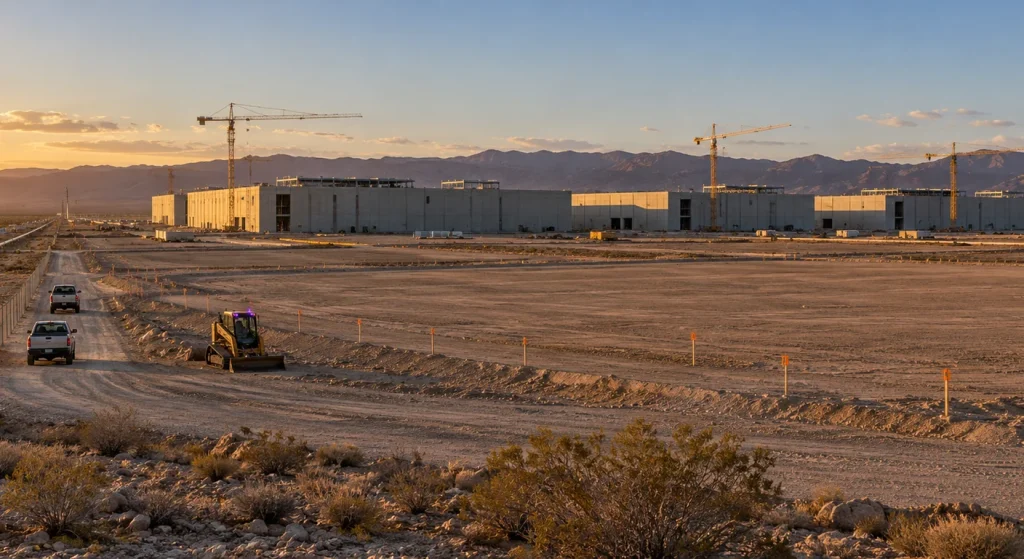
PJM Interconnection: 811 projects
- Energy Storage News Storage Markets & Tariffs
Marin Holt
- 0
- 5 minutes read
- Capacity: 66.5 GW storage; 220 GW total
PJM Interconnection: 811 projects, 220 GW seek grid connection in first reformed queue cycle
PJM Interconnection announced on April 29, 2026, in Valley Forge, Pennsylvania, that 811 new generation projects have applied to connect to its grid. These projects represent a massive 220 GW of nameplate capacity, with a significant portion dedicated to energy storage. Specifically, 66.5 GW of storage capacity is seeking interconnection, underscoring the growing demand for grid-scale battery projects within PJM’s 13-state region.
The announcement comes as PJM completes the first cycle of its reformed interconnection process. This reformed process aims to streamline the historically backlogged queue for new generation projects seeking to join the grid. The sheer volume of applications received in this initial cycle highlights the pent-up demand and the critical need for efficient interconnection pathways.
A separate trade-press report on the same day corroborated PJM’s figures, noting that the reopened queue reflects approximately 67 GW of storage seeking interconnection. This figure aligns closely with PJM’s own reporting, emphasizing the substantial role storage plays in the current wave of new generation development. The 220 GW total capacity includes a diverse mix of generation types, though the exact breakdown beyond storage and solar is not detailed in the provided information.
The scale of these applications presents both opportunities and challenges for PJM and the broader energy industry. The influx of renewable energy and storage projects is crucial for meeting decarbonization goals and enhancing grid reliability. However, the transmission infrastructure required to accommodate such a large amount of new capacity will necessitate significant investment and planning.
PJM’s reformed queue process is designed to improve the predictability and efficiency of interconnection studies. By clearing the backlog and implementing new study methodologies, PJM seeks to provide greater certainty for developers and accelerate the integration of clean energy resources. The success of this reformed process will be closely watched by other grid operators facing similar interconnection challenges.
Why It Matters
The record number of applications, particularly for storage, signals a strong market appetite for grid reliability and clean energy integration. Developers and policymakers should focus on expediting transmission upgrades and streamlining the study process to ensure these projects can come online efficiently. Failure to address transmission constraints could significantly delay the deployment of much-needed generation capacity.
Critical Perspective
Reporting on project announcements and interconnection-queue milestones inherits the uncertainty of the underlying process. Interconnection queue presence does not equal financed; financed does not equal commissioned; commissioned does not equal at-rated-output. Cancellation rates on early-stage queue projects historically run 50-70 percent across PJM, MISO, and ERCOT. Readers tracking specific projects should follow MGRID’s stage labeling (_mgrid_project_stage meta on each post) rather than treating any milestone as an installed-capacity guarantee.