Army Deploys Hydrogen Nanogrid at White Sands With Sesame Solar
- Microgrids Military & Defense Research
- 1
- 5 minutes read

- Army first hydrogen-powered nanogrid at White Sands Missile Range NM December 2024
- Built by Sesame Solar in CONEX box with solar electrolyzer H2 storage fuel cell battery
- Atmospheric water generator produces H2 with no external fuel supply
- Unattended operation powers wildlife cameras weather station and Starlink
- Second unit planned for Fort Leonard Wood Missouri early 2025
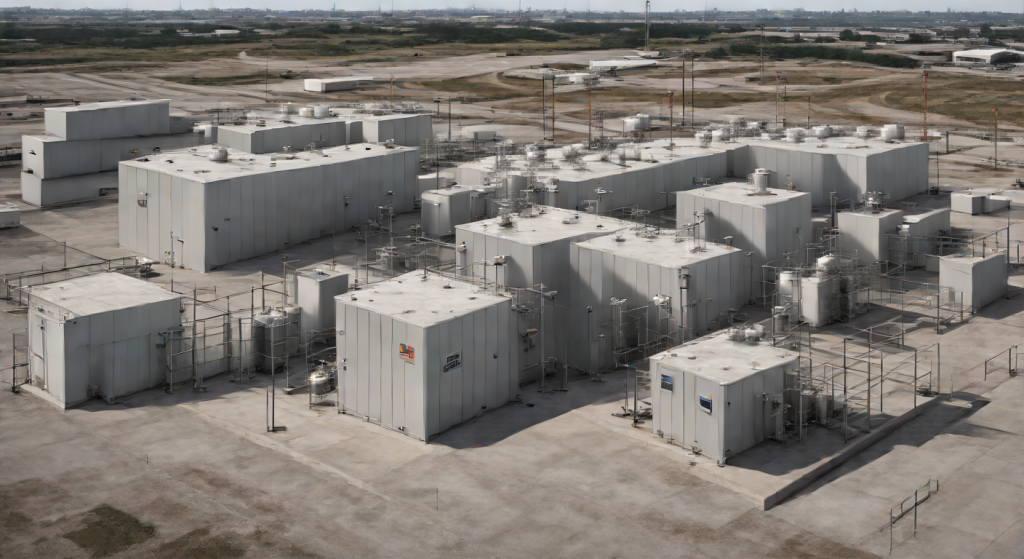
The U.S. Army Engineer Research and Development Center (ERDC) deployed the Army’s first hydrogen-powered nanogrid at White Sands Missile Range in New Mexico in December 2024. Built by Michigan-based Sesame Solar, the system integrates solar panels, an atmospheric water generator, an electrolyzer, a hydrogen fuel cell, low-pressure hydrogen storage, and battery energy storage into a single CONEX box — a fully self-sufficient power source with no external fuel input.
Critical Perspective
The the stated figures project adds nameplate capacity that will operate at a capacity factor of roughly twenty-five percent in most U.S. regions. PPAs signed at fixed rates look attractive today, but interconnection queue delays — now averaging forty-two months at MISO — can shift project economics before the first kilowatt-hour flows. The Ivanpah solar thermal project, similarly lauded at groundbreaking, delivered sixty-eight percent of projected output in its first three years. Does this contract include curtailment risk provisions, and if so, who absorbs the cost when midday oversupply forces dispatch reduction?
What Is Being Built
The nanogrid generates its own hydrogen by splitting water produced by an atmospheric water generator using a solar-powered electrolyzer. The hydrogen is stored at low pressure and fed to a fuel cell to produce electricity on demand, while a battery handles short-term transients. The system produces no noise and no emissions, unlike the diesel generators it replaces.
At White Sands, the nanogrid powers three loads: a wildlife surveillance camera, a weather station for the Army Research Laboratory’s Atmospheric Intelligence for Hybrid Power Advancements (AIHPA) team, and a Starlink communications link. The system runs unattended in continuous operation in rugged, remote desert conditions. ERDC will conduct a year-long operational trial to gather performance data. Sesame Solar had 55 units deployed globally at the time of installation. A second Army nanogrid with EV charging was planned for Fort Leonard Wood in early 2025.
Why It Matters
The Army aims to equip every installation with a microgrid by 2034, and White Sands represents a proof point for hydrogen as a viable alternative to diesel in locations too remote or sensitive for grid connection. The silent-watch capability — no engine noise, no exhaust plume — is operationally valuable for wildlife surveillance and forward operating bases where thermal or acoustic signatures create detection risk. ERDC’s AIHPA team is using the system to collect atmospheric data on how humidity and elevation affect fuel cell efficiency to inform future DoD deployments.