SEIA Credits Solar and Storage With $3.55 Billion of Texas Summer Savings, While Retail Bills Rose Anyway

- Texas summer wholesale savings (SEIA): $3.55 billion
- California summer wholesale savings (SEIA): $2.5 billion
- ERCOT average wholesale price decline: 42%
- CAISO average wholesale price decline: 51%
- Texas battery capacity through H1 2026: 33.1 GWh
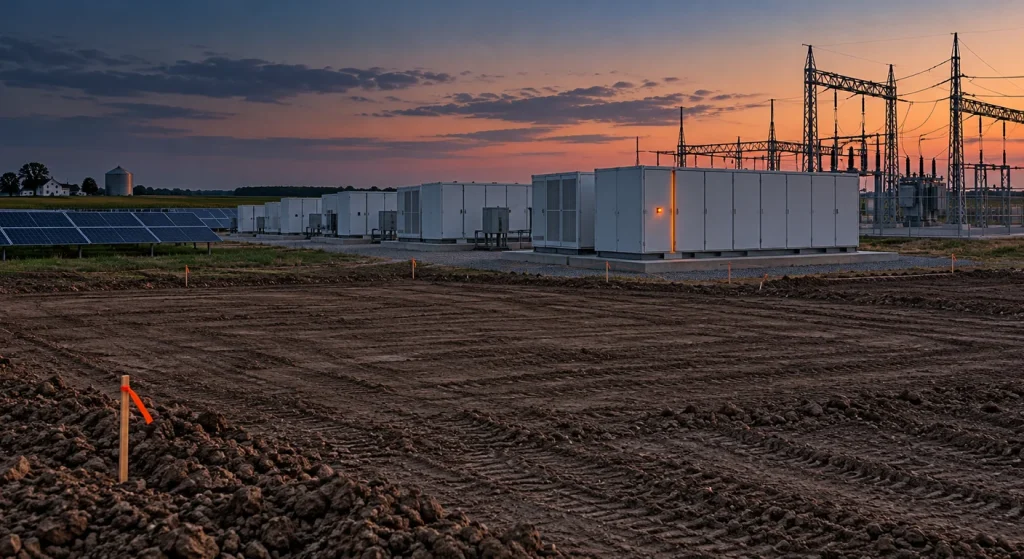
The Solar Energy Industries Association said on October 22, 2026 that solar and battery storage saved Texans about $3.55 billion and Californians about $2.5 billion in wholesale energy costs from June through August 2026, compared with the same months in 2021. The analysis compares weighted average hourly day-ahead wholesale prices in ERCOT and CAISO, in inflation-adjusted 2026 dollars. Over those five years solar generation rose 421% in Texas and 90% in California. Battery capacity grew more than 26-fold in Texas, to 33.1 GWh, and nearly sevenfold in California, to 62.0 GWh, counted through the first half of 2026.
In ERCOT, total load this summer ran 30.1% above summer 2021, yet the average wholesale price fell 42%, from $54.97/MWh to $31.77/MWh. The peak hourly price dropped from $110.96/MWh to $57.30/MWh. Storage supplied over 1.3% of the state’s energy. In CAISO, consumption rose 2.5% while the average price fell 51%, from $77.54/MWh to $38.32/MWh. Peak hourly prices dropped from $141.75/MWh to $59.69/MWh, and batteries now provide 6% to 7% of daily energy use. Rooftop solar generation climbed 172% in Texas, to 1,533 GWh, and 107% in California, to 7,997 GWh.
“As the midterm elections approach, delivering affordable, reliable power is a priority that transcends party lines and Texas and California are proof that the growth of solar and storage is driving down prices,” said Tim Pawlenty, SEIA’s chief executive officer and president.
SEIA’s mechanism is price setting. Solar absorbs midday demand and batteries discharge into the late afternoon and evening ramp, so gas peakers set the market-clearing price in fewer hours and extreme price spikes last for less time. The group says the fleets now flatten the net load curve rather than act as supplemental resources.
The trade group also concedes that wholesale savings do not flow straight to retail bills. The generation portion of residential bills fell 10% in California and 4% in Texas over the five years. Overall residential bills still rose 22% in California and 3% in Texas. In California, transmission costs rose 12%, distribution costs climbed 51% and other charges, including wildfire management, rose 90%. In Texas, transmission costs rose 17% and distribution costs 23%.
Why It Matters
The numbers come from an advocacy group in an election season, and the method is a two-summer comparison. It does not separate the effect of new solar and storage from gas prices, weather or the retirements and additions that happened in between. ERCOT also set a summer peak record this year, so the load growth is real, and the price decline happened against it. That part of the finding holds on its own.
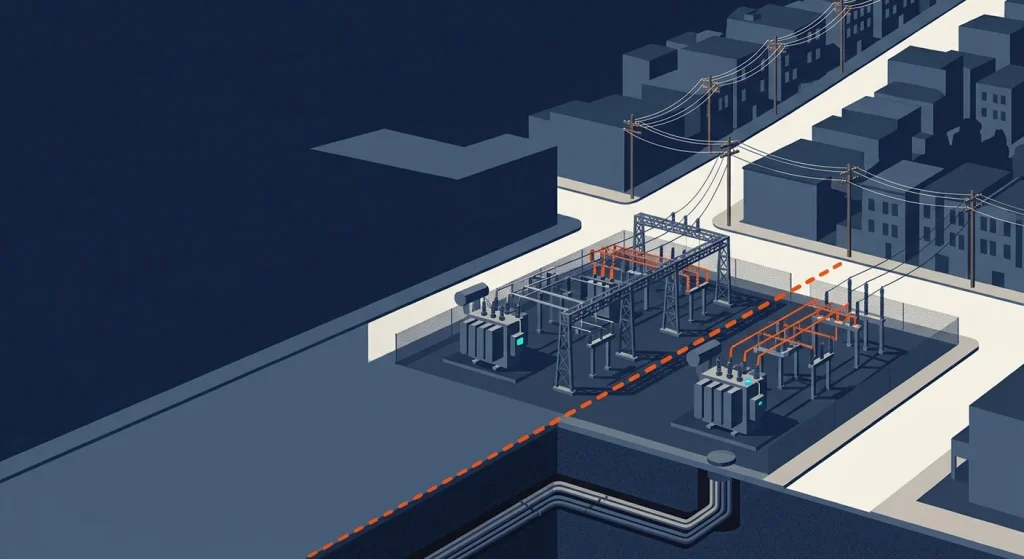
The useful number for utilities and regulators is the gap between the two halves of the bill. Generation got cheaper in both states. Wires got more expensive, by 51% for distribution in California and 23% in Texas. Record storage installations cut the energy price, but they do not touch the poles, transformers and wildfire budgets that now set the direction of the bill. A state that wants solar and storage to show up on a household statement has to work on the wires side too.
Critical Perspective
SEIA’s $3.55 billion Texas figure is a wholesale day-ahead comparison between two summers, not a line on anyone’s bill. Wood Mackenzie has noted that Texas summers in 2024 through 2026 never reached the heat of 2022 and 2023, so part of the price drop belongs to the weather rather than to batteries. California’s August 2020 rotating outages arrived after years of falling average prices, because the evening ramp failed while the average looked fine. If distribution charges rose 51% in California while the generation share of the bill fell 10%, which regulator is measuring the wires the way SEIA measures the megawatt-hours?
Sources
- SEIA press release: Solar and Storage Growth Drives Down Summer Wholesale Electricity Prices by 42% in Texas and 51% in California (Oct 22, 2026)
- SEIA research resource: Solar and Storage Saved Californians and Texans Billions in Energy Costs this Summer (Oct 2026)
- pv magazine USA: report on the SEIA summer 2026 CAISO and ERCOT price analysis (Oct 23, 2026)
- Solar Power World: SEIA analysis: Solar is curbing consumer energy costs (Oct 22, 2026)