Missouri Approves Ameren’s 545 MW of Batteries and 400 MW of Solar, But Who Pays Waits for a Rate Case
- Energy Storage Regulatory State & Local Regulation Utility-Scale BESS
Marin Holt
- 0
- 9 minutes read
- Battery storage approved: 545 MW
- Solar approved: 400 MW
- Largest battery (Millcreek, Lincoln County): 250 MW
- Battery in-service target: 2028
- Cost-change notice threshold: 15%
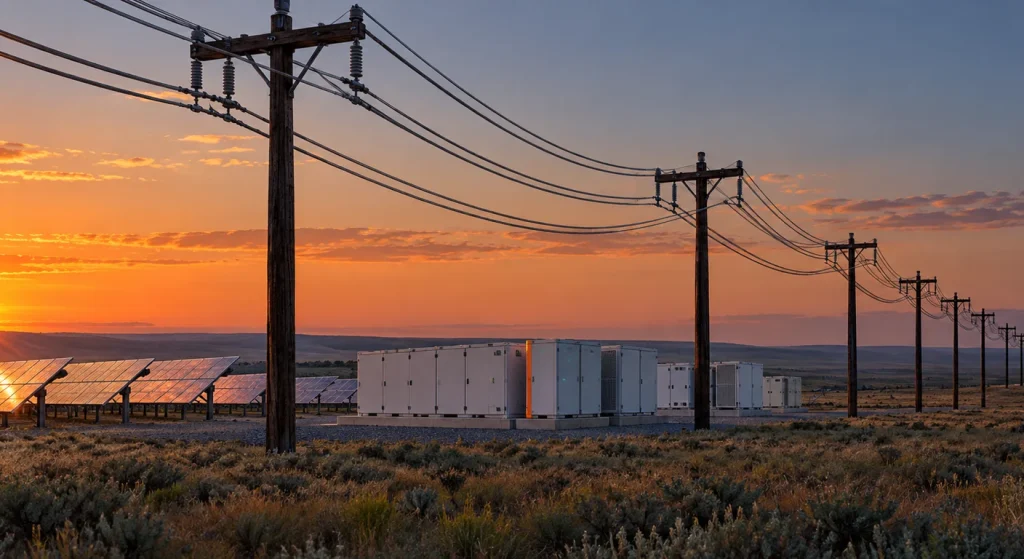
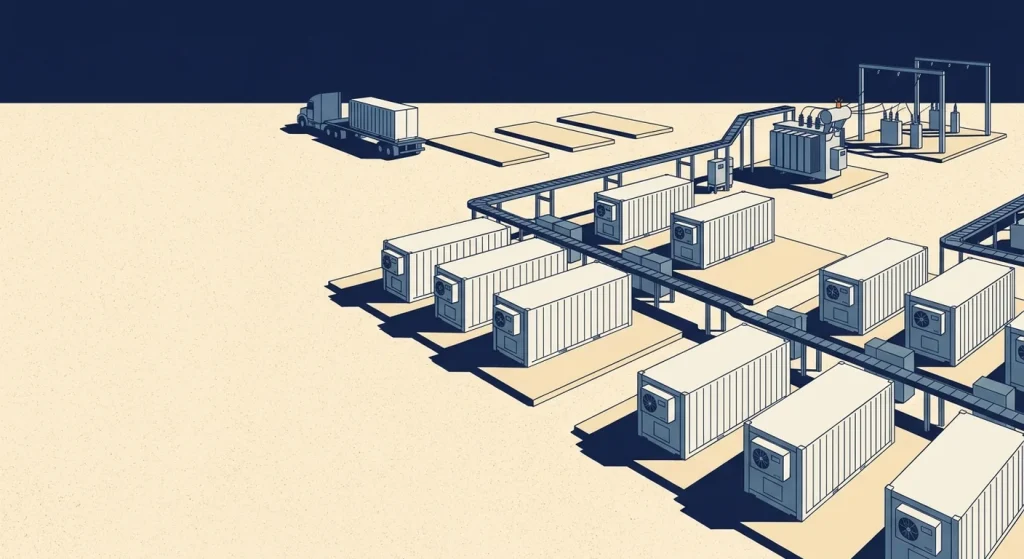
The Missouri Public Service Commission on October 21, 2026 approved Ameren Missouri’s request to build three battery energy storage facilities totaling 545 MW and to acquire two solar plants totaling 400 MW. The order in case EA-2026-0183 adopts an agreement signed by Ameren Missouri, the commission’s Staff and Renew Missouri. The Office of the Public Counsel did not sign it and did not object. The batteries are Castle Bluff, 95 MW at the retired Meramec coal plant site in St. Louis County, Huck Finn, 200 MW at the Audrain Energy Center in Audrain County, and Millcreek, 250 MW in Lincoln County. All three carry a targeted in-service date of 2028.
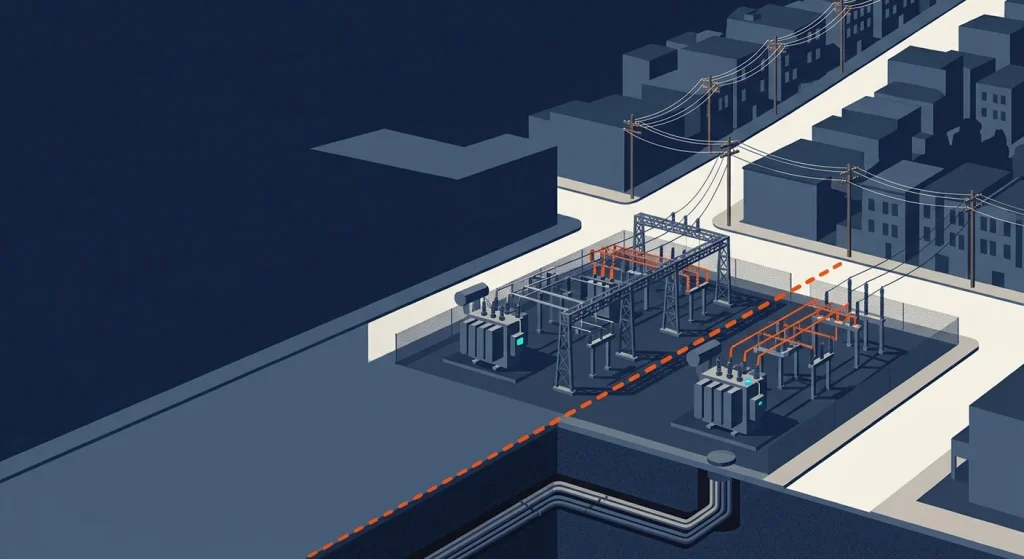
The solar comes from developers. Ameren Missouri will acquire the 225 MW Ringer project in Stoddard County from Invenergy, due in 2029, and the 175 MW Tom Sawyer project in Audrain County from EDF power solutions, due in 2028. The order also covers the Quinn Switching Station, a new 161-kilovolt station in Lincoln County that ties Millcreek to the transmission system. Castle Bluff shares its site with the Castle Bluff Energy Center, a gas plant now under construction.
“Deploying these projects now helps prepare the grid for how our customers will use energy in the years ahead,” said Ajay Arora, executive vice president and chief growth and generation development officer for Ameren Missouri. “Battery storage can respond within moments to changing grid conditions and provide additional energy when demand is highest.”
The conditions center on Millcreek, which drew most of the 340 public comments on the docket. Ameren Missouri must meet with the Office of the Public Counsel and Staff to discuss the results of Tesla Megapack 3 safety testing. At least 90 days before batteries arrive at the Millcreek site, it must file a public pleading stating that the testing is complete, with the supplier’s confidential report attached for Staff and the Public Counsel to review. It must expand its public information on fire safety, battery testing and nearby infrastructure, and confirm compliance with the National Fire Protection Association’s NFPA 855 standard for stationary storage. After each battery enters service, Ameren must file a site-specific hazard mitigation analysis or plan and its fire-response containment procedures.
The money terms are reporting rules, not caps. Ameren Missouri must notify the commission if a project’s total cost moves by more than 15% from its base or risk-adjusted estimate, explain why and describe its mitigation. It must file quarterly progress reports on construction milestones, permitting, costs and delays. The Duck Curve, which read the order and the attached stipulation, reports that the commission reserved all ratemaking treatment for later proceedings and that the public application blacks out the cost estimates. The Public Counsel’s memorandum, by chief economist Geoff Marke and policy analyst Jordan Seaver, called the investments “alarmingly cost-prohibitive” and said they provide little winter capacity accreditation. The memo puts the batteries’ default winter accreditation at 8%.
The commission held five local public hearings, the last in Lincoln County in August. On October 19 it denied three Lincoln County residents’ late requests to intervene, finding their interests no different from the general public’s, which the Public Counsel represents. Two days later it treated the agreement as unanimous because no party had objected within seven days of its filing. The order takes effect November 20.
Why It Matters
Ameren’s need case rests on its 2025 preferred resource plan, which calls for 1,000 MW of battery storage by 2030, and on signed electric service agreements for 2.8 GW of large load. The commission approved Big Hollow, an 800 MW gas plant in Jefferson County with a planned 400 MW battery, on February 11. The same utility filed a September resource plan built around new gas plants. These batteries are the flexible layer beside a gas build, not a substitute for it.
The open question is who pays. The Public Counsel has said it will likely argue in a future rate case that the large-load customers who created the need should bear the full cost, and it put Ameren on notice that it may seek prudence disallowances. A certificate says Ameren may build. The rate case will say what 545 MW of four-hour batteries cost Missouri households, and whether an 8% winter accreditation was worth it.
Critical Perspective
The commission approved 545 MW of batteries while the Office of the Public Counsel’s own memo puts their default winter capacity accreditation at 8%. Ameren’s 250 MW Millcreek site will use Tesla Megapack 3 units whose safety report stays confidential under the stipulation, so neighbors who filed most of the 340 comments never read it. Vistra’s Moss Landing fire in January 2025 turned local tolerance of large batteries into moratoria across California within months, and Lincoln County residents already tried to intervene here. If four-hour batteries earn 8% winter credit, what serves Ameren’s 2.8 GW of signed large load on a January night?
Sources
- Missouri Public Service Commission: PSC Approves Agreement in Ameren Missouri Request for Battery Storage and Solar Projects with Conditions, PR-27-28 (Oct 21, 2026)
- Ameren Missouri news release: Ameren Missouri takes next step to support reliable energy for customers (Oct 21, 2026)
- Daily Energy Insider: Missouri PSC approves Ameren Missouri battery storage, solar projects (Oct 23, 2026)
- The Duck Curve: Missouri regulators approve Ameren’s 545 MW of batteries, 400 MW of solar (Oct 23, 2026)
- ABC17 News (KMIZ): Public Service Commission approves Ameren battery storage, solar project in Audrain County (Oct 21, 2026)