Just Over 230 of the 5,100 Electric School Buses on US Roads Send Power Back to the Grid
- Analysis EVs Fleet & Depot Charging
Marin Holt
- 0
- 9 minutes read
- V2G-enabled school buses in use: 230
- Electric school buses on US roads: 5,100
- Committed buses (WRI, July 2025): 13,931
- Beverly per-bus season revenue: nearly $12,000
- Highland's stated annual norm: $6,000
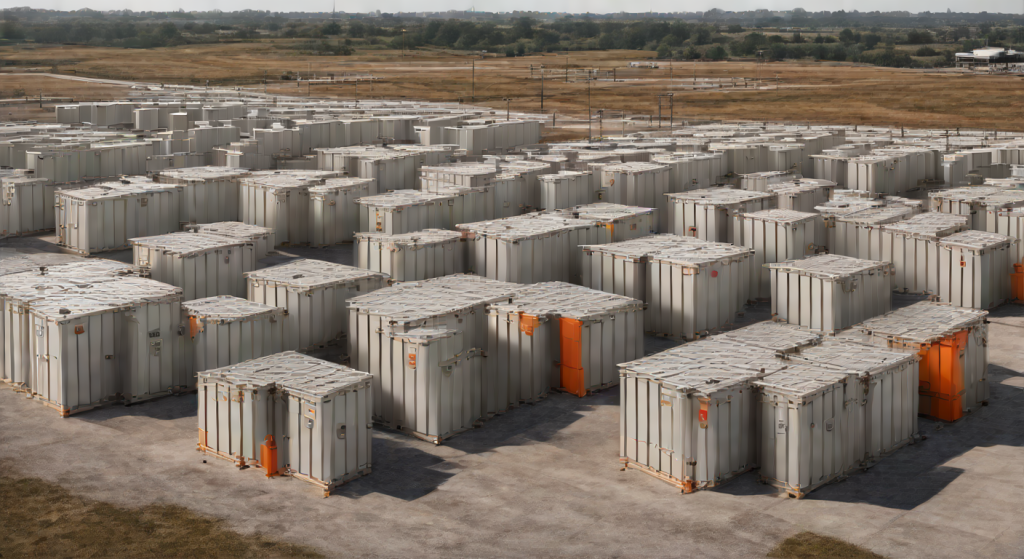
US school districts have ordered 13,931 electric buses, and more than 5,100 of them already run routes. Utility Dive reported on September 16, 2026, that just over 230 can push power back to the grid. The rest are loads. The industry quotes nearly $12,000 per bus per season for grid services, a figure derived from one bus in Beverly, Massachusetts. Highland Electric Fleets, which operates the buses, states $6,000 annually is the actual norm.
The Nearly-$12,000 Bus
The widely cited figure of nearly $12,000 originates from Beverly, Massachusetts. During summers 2021 and 2022, a single Beverly electric school bus discharged about 10.8 MWh into the suburban Boston distribution grid. National Grid’s ConnectedSolutions virtual power plant program paid nearly $12,000 per season for that. Highland Electric Fleets CEO Duncan McIntyre told Utility Dive the realistic figure is lower: “More like $6,000 per year is the norm.”
These figures are not contradictory. One represents a summer’s output, the other annualizes it. The distinction matters because summer is the whole premise. Buses sit idle from June through August, which is when the utility peak arrives across most of the country.
Where The Buses Actually Are
California leads in deployment. Zum operates a 74-bus fleet for Oakland Public Schools with 2.1 GWh of annual discharge capacity. It plans another 238 buses across three San Francisco depots. Fremont Unified runs 14 buses with 8 more on order. Only 4 of the 14 provide V2G service today.
Massachusetts’ spending per bus exceeds its public statements. MassCEC has put $33.3 million into school bus fleet electrification. It says that money pulled in over $132 million from other sources. Boston secured a $35 million federal grant for 105 fast chargers, 10 of which are integrated into the MassCEC V2G program. Porterville Unified in California pairs 35 fast chargers with a 763 kW solar array and 408 kW of battery storage rated at 1,632 kWh.
At least 26 utilities in 19 states operate vehicle-to-grid programs. Dominion Energy studied 15 distribution feeders in Virginia, finding 11 capable of supporting full bus electrification without upgrades.
Why It Matters
For a utility planner the useful number is how many depot chargers in a service territory can export on command next August. Nobody publishes that. That is why the Dominion feeder study matters more than the bus counts do. It asked a question a planner can act on and answered it for 15 feeders.
For school districts, the calculation is starker. At $6,000 per year, grid revenue is negligible against a six-figure bus cost. That revenue pays for a charger over time. It does not pay for the bus. Districts that treat V2G revenue as the business case are reading the Beverly headline instead of the Highland number.
The Gap
The national counts do not agree, and nobody reconciles them. The World Resources Institute tracker reports 13,931 committed electric school buses across 1,542 districts. That figure mixes awarded funding, orders and deliveries. It carries a July 2025 date on a page last updated August 31, 2026. Utility Dive cites over 14,000 buses across more than 1,550 districts, describing the same fleet approximately a year apart.
No tracker quantifies bidirectional hardware. A committed bus is an order. An operating bus is a load. A grid asset needs a bidirectional charger, a utility program to sell into, and a depot that is empty in August. The 230 figure is the only published number that describes a resource, and it is the one nobody forecasts.
The growth trajectory is evident. WRI data shows a rise from 415 buses in operation in 2020 to over 5,100 in 2025, serving more than 265,000 students daily. The V2G share of this fleet has not advanced proportionally. Reporting does not specify whether charger cost, utility program design, or district willingness to cycle new batteries limits V2G adoption.
Critical Perspective
The $12,000 number deserves more scrutiny than it usually gets. It describes one bus, in one utility program, over two summers that ended four years ago. Highland Electric Fleets runs those buses and its own CEO puts the norm at $6,000 a year. When the operator of the pilot says the pilot number is high, the pilot number should stop leading the coverage.
The 230 count needs the same treatment. Utility Dive describes those buses as V2G-enabled, which is a statement about hardware. It is not a count of buses under contract to a utility program, and the reporting does not separate the two. A bus that can export and a bus that is paid to export are different assets to a planner, and only the second one shows up in a capacity forecast.
The Dominion result is the most useful finding here and the most easily overstated. Eleven of 15 feeders carried full bus electrification with no upgrade. That is 15 feeders in one utility’s territory. It says nothing about the four that failed, about which districts sit on them, or about what the upgrade would have cost. Read as a national green light it is a stretch. Read as a method other utilities should copy, it is the strongest thing in the story.
Sources
- Utility Dive, “Utilities, schools see growing value in electric buses for virtual power plants” (Sept. 16, 2026)
- World Resources Institute, “Where Electric School Buses Are in the US” (updated Aug. 31, 2026)
- MassCEC, “Electric School Bus Program: Overview”