Orsted Energizes 250 MW/500 MWh Old 300 Battery Storage in Texas
- Energy Storage News Utility-Scale BESS
Marin Holt
- 0
- 6 minutes read
- Storage Capacity: 250 MW/500 MWh
- Solar Co-located: 430 MW
- Property Tax Revenue: $110 million
- Orsted US Onshore Portfolio: 6 GW
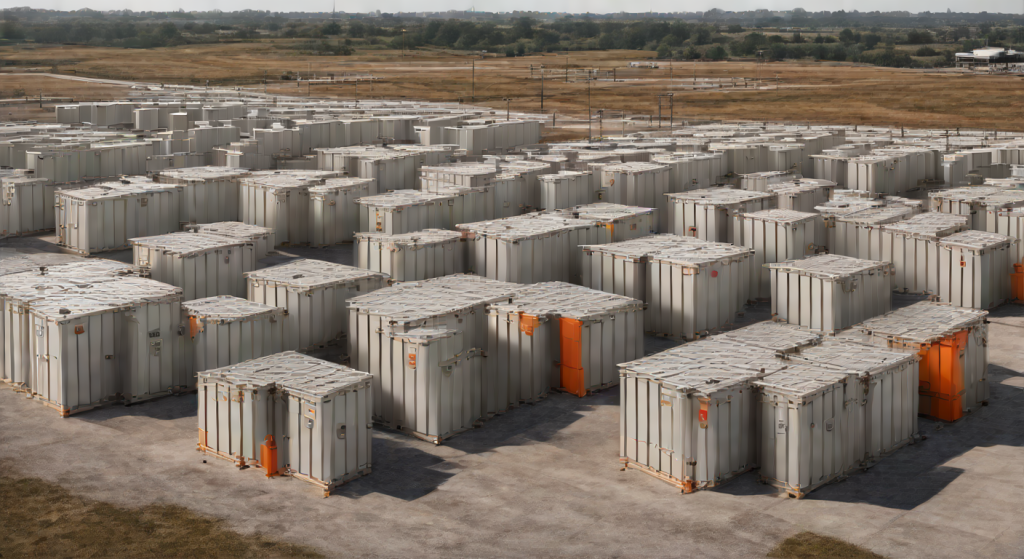
Orsted started commercial operation of its 250 MW/500 MWh Old 300 Storage project in Needville, Texas on August 5, 2026. The battery is now fully integrated into the ERCOT grid. Orsted bought the system from Tesla, which built the Megapacks at its Lathrop, California plant. The battery sits on the same site as the 430 MW Old 300 Solar farm, but the two run independently. Orsted says the pair will generate about $110 million in property tax revenue for local infrastructure, schools, and emergency services.
Melissa Peterson, president of Orsted Americas Onshore, tied the project to ERCOT supply margins. Battery storage has “played a large role in providing much needed power to ERCOT in times of tight supply and demand margins,” she said. Old 300 Solar has run since 2024 and serves roughly 80,000 Texas homes and businesses. Microsoft reserved that solar output under a 2021 power purchase agreement. The storage completion brings Orsted’s operating onshore portfolio in the United States to 6 GW.
Read The Duration, Not The Headline
The 250 MW and 500 MWh figures give the battery a two-hour duration. That is the standard ERCOT merchant shape, not a resource that carries a long evening peak. Orsted did not attach an offtake agreement to the storage. The Microsoft contract covers the solar farm only. A merchant battery earns on price spreads and ancillary services, and ERCOT has been compressing both as more storage arrives.
Why It Matters
Co-location without coupling is the detail developers should copy. Orsted put the battery on an existing solar site and kept the two assets on separate dispatch. The project reuses the interconnection footprint and the land, and the battery still chases ERCOT price signals on its own. Independent dispatch also keeps the Microsoft PPA clean, because the battery never touches contracted solar output.
The Tesla supply detail carries its own signal. Tesla deployed 13.5 GWh of storage in the second quarter of 2026, its second-highest quarter on record, and the Lathrop factory runs at roughly 40 GWh of annual capacity. Domestic Megapack supply is no longer the constraint in ERCOT. Interconnection and revenue certainty are. Ask any Texas developer what their two-hour battery clears in 2027 and watch the answer get vague.
Critical Perspective
The article highlights Orsted’s 250 MW/500 MWh Old 300 battery storage project, a significant addition to Texas’s grid. However, this two-hour duration storage, while substantial, pales in comparison to the multi-day storage capabilities being developed by companies like Form Energy, which aims for 100-hour duration. Historically, projects like the California Independent System Operator’s (CAISO) early battery storage procurements faced challenges with market integration and sustained performance, leading to costly adjustments. Given the merchant nature of this battery and its two-hour limit, how will it truly contribute to grid stability during prolonged periods of low renewable generation without significant price volatility?