Google Shifted 9.2 GWh Through Two Texas Batteries to Test Hourly Clean-Energy Credits
- Energy Storage Research Storage Markets & Tariffs
Marin Holt
- 0
- 7 minutes read
- Energy time-shifted: 9.2 GWh
- Anole project: 240 MW / 480 MWh
- Burksol project: 100 MW / 200 MWh
- Pilot length: Three months
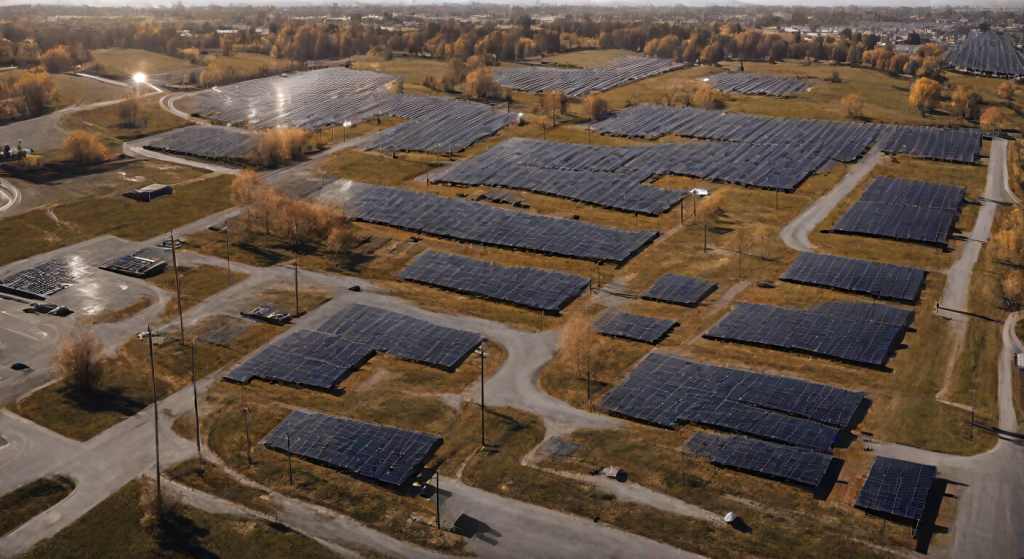
Google sponsored a three-month pilot. It moved 9.2 GWh of solar power through two Texas batteries. It then sold the clean-energy claim attached to that power by the hour. Quintrace, esVolta and LevelTen Energy published the results on September 17, 2026. The test ran on two esVolta sites in Texas. Anole, in Seagoville, rates 240 MW / 480 MWh. Burksol, in Dickens County, rates 100 MW / 200 MWh. Both sit in ERCOT. Both use two-hour lithium iron phosphate cells.
What The Pilot Actually Did
Google named daily windows. It expected its own demand to outrun its renewable supply. esVolta charged the batteries with surplus solar during a midday window. It discharged during an evening window. Quintrace checked every hour against the EnergyTag standard. It applied loss calculations. The delivered claim counted only the power that survived the round trip. LevelTen held the registry accounts. It blocked any attempt to count the same attribute twice.
The contract structure matters more than the megawatt-hours. Google did not toll the batteries. It took no merchant risk. It took no dispatch risk. esVolta kept operational control of both sites. This included freedom to chase price signals. It could also answer a grid emergency outside the agreed windows. Google contracted only to time-shift environmental attributes it already owned.
The attributes moved as Granular Certificates. A Granular Certificate carries an hourly timestamp. A conventional renewable energy certificate aggregates to a month or a year. That is why a battery has never been able to prove what it shifted.
Why It Matters
The Science Based Targets initiative requires hourly reporting from large energy users. The GHG Protocol is still deciding how to treat the same problem in its scope 2 guidance. Corporate clean-energy matching has always been scored on annual totals. A battery earns its living by the hour. That mismatch left storage operators with no way to charge for the one thing storage does best.
An operator running a two-hour battery in ERCOT today earns from energy arbitrage and ancillary services. The pilot adds a third line. If buyers pay for hourly carbon-free matching, revenue arrives for evening discharge. That is when the grid is dirtiest. It is also when the battery would probably have discharged anyway. Developers modelling new ERCOT projects should watch whether that third line survives contact with a real tender.
The Caveats
The 9.2 GWh number covers charging and discharging inside the defined windows across three months. It is not an emissions figure. None of the three companies published avoided tonnes. None disclosed what Google paid. Without a price, the new revenue stream cannot be modelled by anyone outside the deal.
Every figure now circulating traces back to a single announcement dated September 17. The trade coverage that followed adds description rather than independent measurement. Quintrace verified the hours. Quintrace also sells the verification software. EnergyTag is a nonprofit standard body, not a regulator. Nothing here has been audited by a party with enforcement power.
Critical Perspective
Quintrace verified every hour of this pilot, and Quintrace also sells the verification software the pilot ran on. The three companies published 9.2 GWh of shifted energy and no price. Auditors sign off on financial statements precisely because the party preparing the numbers cannot also be the party attesting to them, and no outside registry or regulator checked this work. What does esVolta actually earn per MWh under the structure, and would a buyer without Google’s balance sheet pay it?
Sources
- Quintrace, esVolta and LevelTen Energy announcement (PR Newswire) (2026-09-17)
- ESS News (2026-09-18)
- pv magazine USA (2026-09-18)
- Utility Dive (Anole and Burksol asset background) (2025-07-31)
Related Coverage
Array