TVA Board Creates a Separate Data Center Rate Class, Lifting Those Bills About 10 Percent
- Data Centers FERC & Federal Policy & Markets Regulatory
Marin Holt
- 0
- 7 minutes read
- Rate impact: about 10% for data center customers
- New capacity authorized: 4,120 MW
- Capital plan: $13 billion through FY2029
- 2040 capacity need: 11 to 32 GW
The Tennessee Valley Authority board approved a separate wholesale rate class for data centers on August 20, 2026. The change pulls data centers out of the manufacturing rate they had shared with factories. Chief Financial Officer Tom Rice put the impact at about 10%. TVA phases that increase in over three years.
TVA said the update aligns rates to cost. The stated goal is to “protect residential and manufacturing customers from subsidizing the expenses associated with the significant growth of data center load in the Valley.”
The package adds a Capacity Commitment Charge. Data center customers pay it up front. TVA collects it over three to five years. The money funds the grid upgrades those loads require.
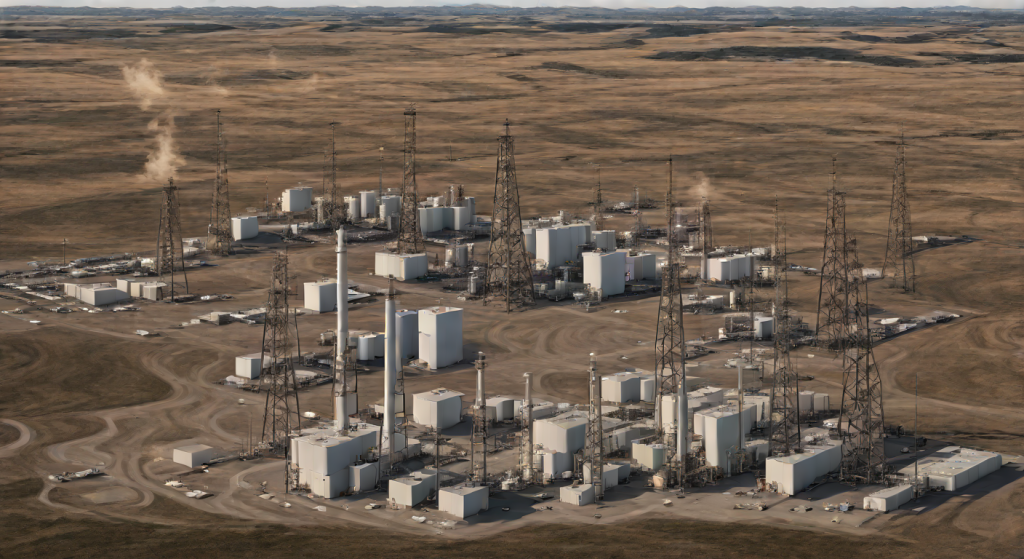
The board acted on two other items the same day. It adopted the 2026 Integrated Resource Plan. That plan puts the Valley’s need at 11 to 32 GW of added generation by 2040.
Directors also passed a fiscal 2027 budget. It carries more than $13 billion through FY2029. More than $1 billion a year goes to the generation fleet and transmission. The board authorized 4,120 MW of new TVA-owned capacity, and another 3,000 MW remains under evaluation.
“Today’s Board actions position TVA to meet the Valley’s growing demand while continuing to advance American energy leadership,” said Mike Skaggs, TVA interim president and chief executive.
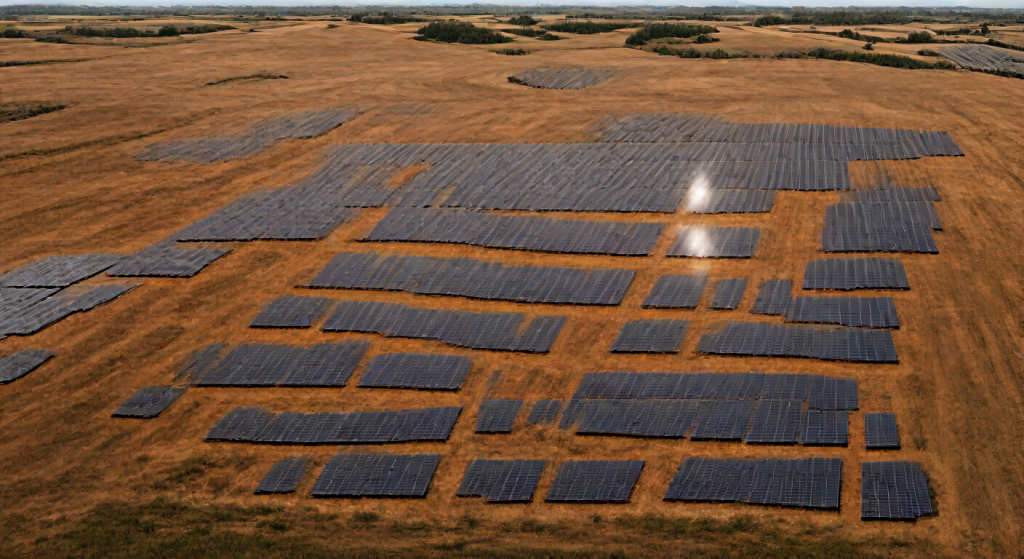
Not everyone read the vote the same way. Bonnie Swinford, a Sierra Club campaign organizing strategist, said data centers need the gas buildout while people need renewable energy.
Why It Matters
The rate class is the smaller half of this story. The Capacity Commitment Charge changes project math. An upfront payment recovered over three to five years shifts capacity risk onto the customer that caused it.
That is a different instrument from a demand ratchet. A ratchet punishes a load that shrinks. A commitment charge prices the build itself. A developer who walks away still pays for the steel TVA ordered.
Watch what TVA did not publish. The announcement carried no MW threshold and no dollar-per-MW figure. Those two numbers decide whether a 30 MW colocation site pays like a 300 MW campus. Read the filed rate schedules before signing a letter of intent.
Skaggs framed the build plan narrowly. He said TVA will build capacity and transmission to sit just below demand, and will not build above it. A utility that deliberately builds under its own forecast leaves interconnection queues long. Storage and on-site generation get more attractive in that gap.
Critical Perspective
TVA approved this rate itself. No state public utility commission reviews it, and there is no intervenor docket where a consumer advocate can cross-examine the cost study. The board is the regulator. That makes the 10% figure an assertion, not a finding.
TVA also says the change stops residential and manufacturing customers from subsidizing data center growth. That claim concedes a subsidy already exists. The announcement does not say how large it was, how long it ran, or whether 10% recovers it.
The missing numbers matter more than the published one. Without a MW threshold, nobody outside TVA knows which customers land in the new class. Without a dollar-per-MW rate, the Capacity Commitment Charge cannot be modeled. A charge you cannot model is a charge you cannot challenge.
The build plan carries its own tension. Skaggs wants capacity to sit just below demand, while the IRP spans 11 to 32 GW. That range is nearly a factor of three. Building just below a forecast that wide is a judgment call dressed as a rule.