PJM Says Northern Virginia Data Centers Tripped Too Early When 3,800 MW Left the Grid After a Cleared Fault
- News Power Quality Voltage & Reactive Power
Marin Holt
- 0
- 7 minutes read
- Load transferred: 3,800 MW
- First wave: 2,970 MW
- ACE limit recovery: nine minutes
- Prior Dominion-zone events: 1,500 MW each
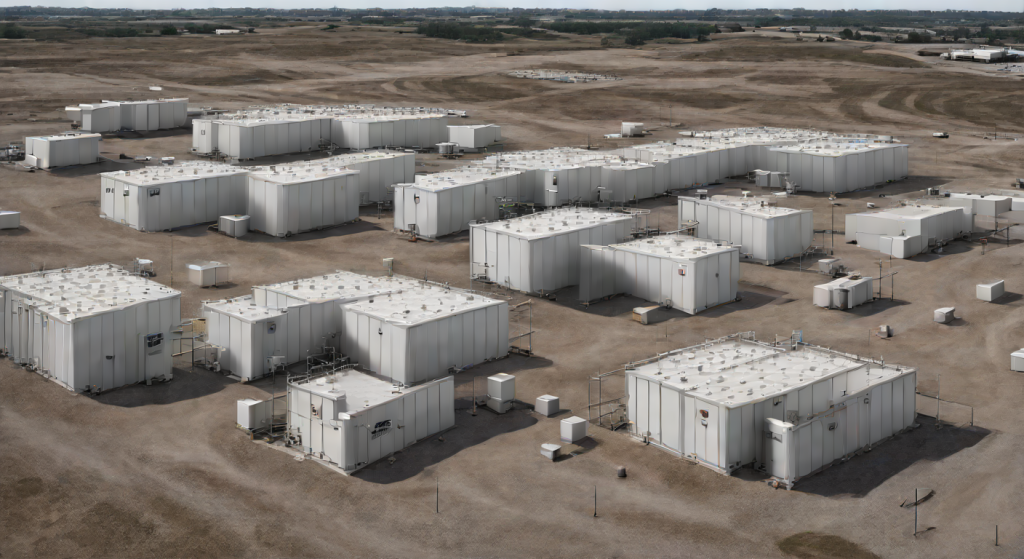
Data centers in Northern Virginia disconnected about 3,800 MW from the PJM grid on July 22, 2026, after a routine fault on a 230 kV transmission line. PJM briefed its Operating Committee on Aug. 11. The facilities transferred themselves to on-site backup generation. No utility protective equipment shed that load.
PJM logged the drop in two waves. The first took 2,970 MW off the system starting at 7:56 a.m. A second wave of 1,099 MW followed as more data centers moved to backup power. Total system load fell from 99,984 MW to 96,205 MW. PJM recovered its Balancing Authority Area Control Error Limit within nine minutes, and no customers lost power.
PJM does not treat the fault as the problem. Operating Committee Chair Emanuel Bernabeu put the blame on the customer side. “This was a normally cleared fault,” he said. “They should not disconnect from the grid. These data centers are too sensitive to the kind of voltage that they like, and we feel they are disconnecting too early.”
The Third Event of Its Kind, and the Largest
The Dominion zone has done this before. Sudden transfers of about 1,500 MW each hit on July 10, 2024, and again on Feb. 17, 2025. The July 2026 event more than doubled that. The grid did not change. The connected load did.
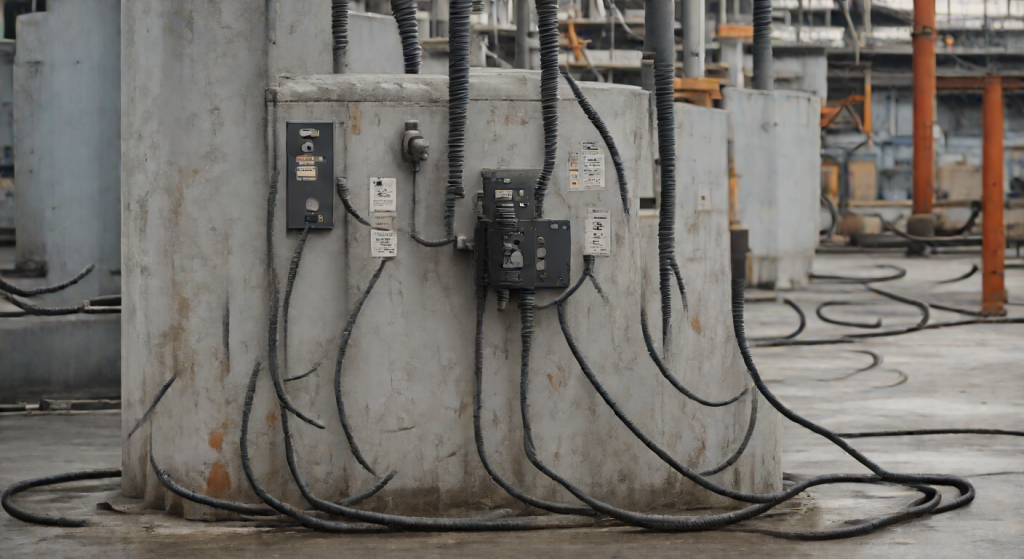
NERC investigated the 2024 case and found a protection-coordination failure, not a grid failure. A lightning arrester failed on a 230 kV line and produced six faults over 82 seconds, each lasting 42 to 66 milliseconds. About 1.5 GW of load disconnected, all of it data centers, and utility relays shed none of it. Roughly 1.26 GW dropped on the third voltage depression rather than the first. A counting relay inside the facilities tripped after it detected three voltage disturbances in one minute. That relay never coordinated with the utility reclosing sequence, so the two protection schemes fought each other. The load then stayed offline for hours.
Why It Matters
A voltage sag that lasts 50 milliseconds should not cost an interconnection 3,800 MW of load. Engineers who specify data center protection should read the 2024 NERC finding as a direct warning about counting relays and undervoltage pickup settings, because those settings, not the transmission system, decide whether a site rides through. PJM and Dominion now plan to route reliability requirements through the Planning Committee and set them before new load energizes. Operators who wait for that mandate will get settings written by someone else. Operators who audit their own ride-through curves now keep the choice.
Critical Perspective
PJM put the loss at 3,800 MW and recovered its area control error in nine minutes, so the immediate reliability case is thin. The pattern underneath it is not, because Texas already wrote the rule PJM is still discussing, approving NOGRR282 in July 2026 to force large computational loads to ride through voltage and frequency disturbances. The North American Electric Reliability Corporation investigated the July 10, 2024 event in this same Dominion zone and found that customer-side counting relays, not utility protection, dropped about 1.5 GW, and two years later the same failure repeated at more than twice the scale. If a third event carries no cost to the operators whose relays caused it, what makes anyone expect the fourth to end differently?