Energy Vault Signs a 1.25 GW Off-Grid Power Deal for a Texas Hyperscaler AI Data Center
- AI Energy Demand Data Centers News
Marin Holt
- 0
- 7 minutes read
- Contract size: 1.25 GW of integrated power infrastructure
- Expected revenue: $500 million to $600 million in 2H 2026 and 2027
- First deployments: 4 to 12 months
- Generation: Caterpillar gensets supplied by an unnamed EPC partner
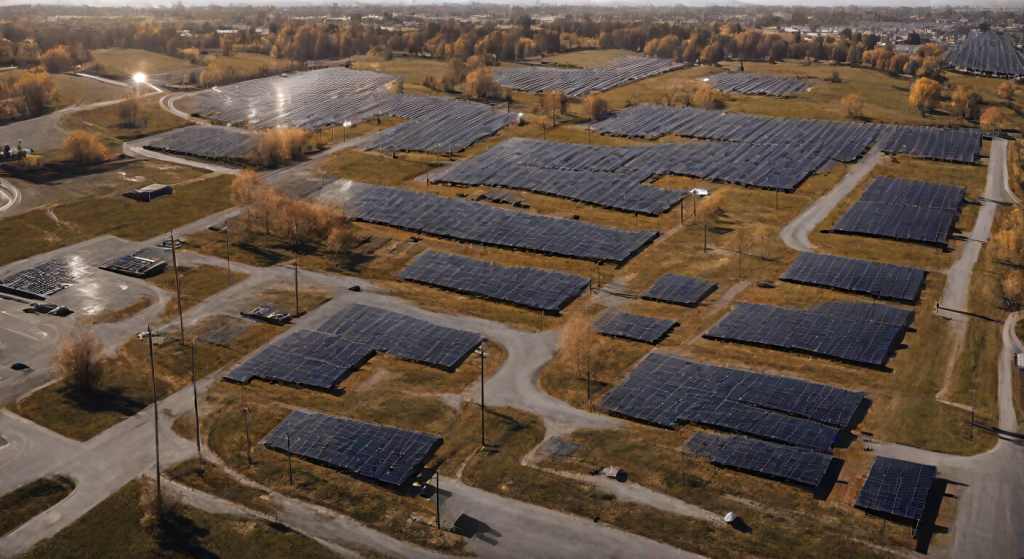
Energy Vault Holdings (NYSE: NRGV) announced the agreement on August 7, 2026. The Westlake Village, California company will supply 1.25 GW of integrated power infrastructure to a hyperscaler AI data center campus in Texas. Its scope covers battery energy storage, grid-forming power conversion systems and AI infrastructure control software. A power generation EPC partner will build the generation plant around Caterpillar gensets.
Energy Vault expects the deal to add roughly $500 million to $600 million of revenue. That revenue falls in the second half of 2026 and in 2027. Initial deployments start in 4 to 12 months. The announcement names neither the data center customer nor the EPC partner.
What Is Being Built
The two companies plan fully off-grid power blocks. Dispatchable gensets carry the base load, and the batteries cover the second-scale gaps that engines cannot. Grid-forming inverters and batteries hold voltage and frequency. They also absorb the swings that GPU clusters create when they ramp. Energy Vault says its control layer balances power flows, limits generator cycling and improves fuel burn.
Energy Vault says the batteries meet FEOC sourcing rules, which decides whether the hardware earns federal tax credits. Robert Piconi, the company chairman and chief executive, called the agreement “our largest single contract executed to date” and said it “establishes a repeatable commercial platform.” The pitch underneath that language is schedule. A campus that generates and stabilizes its own power waits on no interconnection study. The timeline then belongs to the developer, not to the utility.
Why It Matters
Speed to power now decides where AI campuses land. ERCOT is auditing a large-load queue that runs into the hundreds of gigawatts. Utilities elsewhere now demand signed contracts and collateral before they count a data center as real load. Going off-grid removes that gate. It also moves the cost and the emissions onto the developer, who buys the fuel and runs the plant.
For storage vendors the shift changes the product. The sale is no longer a battery. It is generation, conversion, controls and integration in one package. That is a harder business to run and a harder one for a customer to leave.
Critical Perspective
Energy Vault books $500 million to $600 million of revenue against a customer it will not name. The company announced a 2 GW, 20 GWh primary-power partnership with RackScale Data Centers in December 2024, and this smaller 1.25 GW agreement is still the largest contract it has executed. Its own Texas data center site at Snyder, built with Crusoe, broke ground last month at 8 MW. If the hyperscaler will not put its name on the agreement, what does it owe when the gensets arrive late?
What Happens Next
Energy Vault said it would discuss the revenue impact on its earnings call on August 11, 2026. The first hardware ships inside the 4 to 12 month window. The company broke ground in late July on a separate Texas site at Snyder with Crusoe. That campus starts at 8 MW and could reach 25 MW in a second phase. MGRID could not independently verify who the hyperscaler or the EPC partner is, and the announcement describes an agreement rather than a filed or permitted project.
Sources
- Energy Vault press release, August 7, 2026
- Energy-Storage.News, August 11, 2026
- Data Center Dynamics, August 2026