Aecon Consortium Wins $1.7 Billion Contract for 932 MW Alberta Gas Plant Serving an AI Data Center
- AI Energy Demand Data Centers News
Marin Holt
- 0
- 5 minutes read
- Aecon contract share: $1.7 billion
- Total project cost: about $3.2 billion
- Initial capacity: 932 MW (expandable to 1,864 MW)
- Commercial operation: 2030
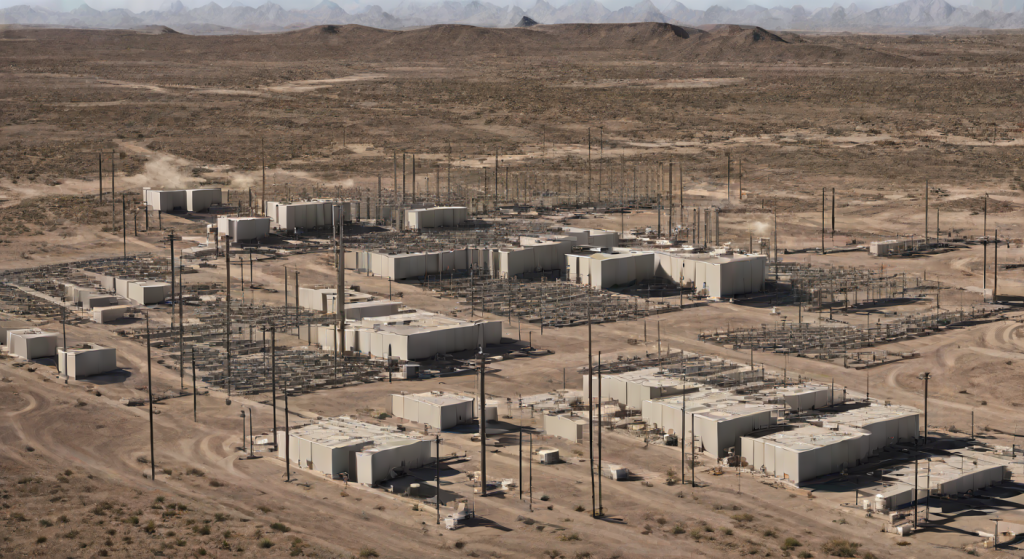
An Aecon Group-led consortium has won a contract worth $1.7 billion to build the 932-megawatt Greenlight Electricity Centre, a natural gas power plant near Edmonton, Alberta that will supply a co-located AI data center, the partners announced on July 2, 2026. The combined-cycle facility carries a total project cost of about $3.2 billion and is permitted to expand to 1,864 MW. Aecon and its partner, Técnicas Reunidas Alberta, will build the plant in Sturgeon County, with commercial operation targeted for 2030.
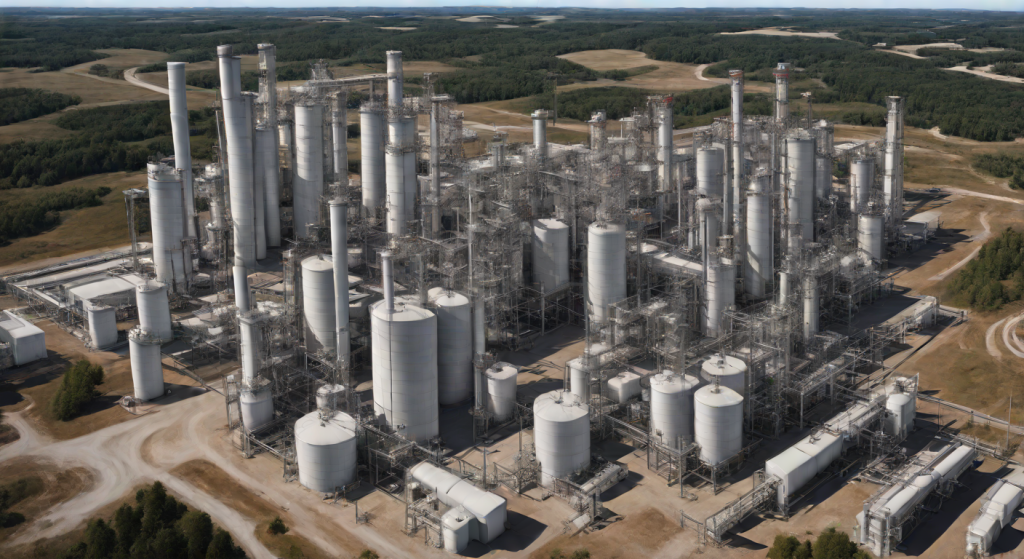
Aecon’s $1.7 billion share will be added to its construction backlog in the third quarter of 2026, when work is expected to begin. The initial 932 MW phase will run on two Siemens Energy SGT6-8000H gas turbines paired with two SST6-5000 KN steam turbines and two SGen6-3000W generators under a fixed-price supply agreement with Siemens Energy. The developer, Greenlight Electricity Centre Limited Partnership, is backed by Pembina Pipeline, Morgan Stanley Infrastructure Partners, and Kineticor Asset Management.
At full output the plant will burn roughly 150 million cubic feet of gas a day and employ about 1,500 workers at peak construction. The developers say the site is designed to add carbon capture, and that about 85% of project costs are already locked in under fixed-price agreements. Positioned as one of Alberta’s largest new sources of dispatchable power, the plant is being built expressly to feed a neighboring data center campus rather than to sell into the wider grid.
Critical Perspective
Aecon’s $1.7 billion share covers a 932 MW plant that can expand to 1,864 MW, with commercial operation still four years out in 2030. The carbon capture the developers call the concession that keeps a nearly 2 GW fossil buildout viable is a design commitment, not a funded system, even as 85% of project costs are already locked under fixed-price deals. SaskPower’s Boundary Dam, Canada’s first commercial carbon-capture retrofit, spent years missing its capture targets and running over budget, showing how far the built reality can trail the plan. Once the turbines are running for the data center in 2030, what actually forces the capture step to get built rather than deferred indefinitely?
Why It Matters
The deal is another vote for building generation next to the load rather than waiting on the grid. With interconnection queues stretched for years and turbine lead times running long, hyperscalers and their developers are increasingly pairing data centers with dedicated gas plants, the same logic behind Chevron and Microsoft’s Texas project and Meta’s Ohio campus. Alberta’s deregulated market and gas access make it attractive for this model, and the promised carbon capture is the concession that keeps a nearly 2 GW fossil buildout politically viable. The open question is execution: first power is five years out, and the carbon-capture step remains a design commitment, not yet a built system.
Sources
- GlobeNewswire: Aecon Consortium Awarded Contract for Multibillion-Dollar Power Project in Alberta (July 2, 2026)
- POWER Magazine: New Gas-Fired Power Plant in Alberta Will Serve Data Center Development
- Yahoo Finance: Aecon Consortium Awarded Multibillion-Dollar Alberta Power Contract