NYPA and National Grid Complete 100-Mile Smart Path Connect Line, Unlocking 1,000 MW of Clean Power
- News Policy & Markets State & Local Regulation
Marin Holt
- 0
- 5 minutes read
- Transmission upgraded: 100 miles of 345 kV
- Clean capacity unlocked: 1,000 MW
- Projected annual savings: $438 million
- Substations: 4 new, 10 upgraded
- Completed: June 22, 2026
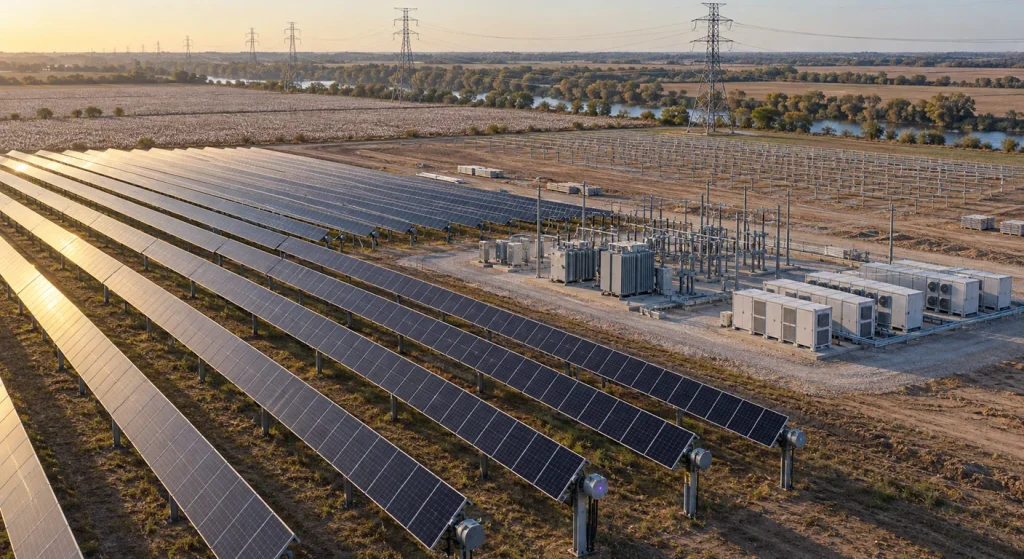
The New York Power Authority and National Grid on June 22, 2026 completed the 100-mile Smart Path Connect transmission project, a rebuilt 345 kV corridor across northern New York that unlocks more than 1,000 MW of low-cost hydropower, wind and solar and is projected to deliver over $438 million in annual savings to New York ratepayers.
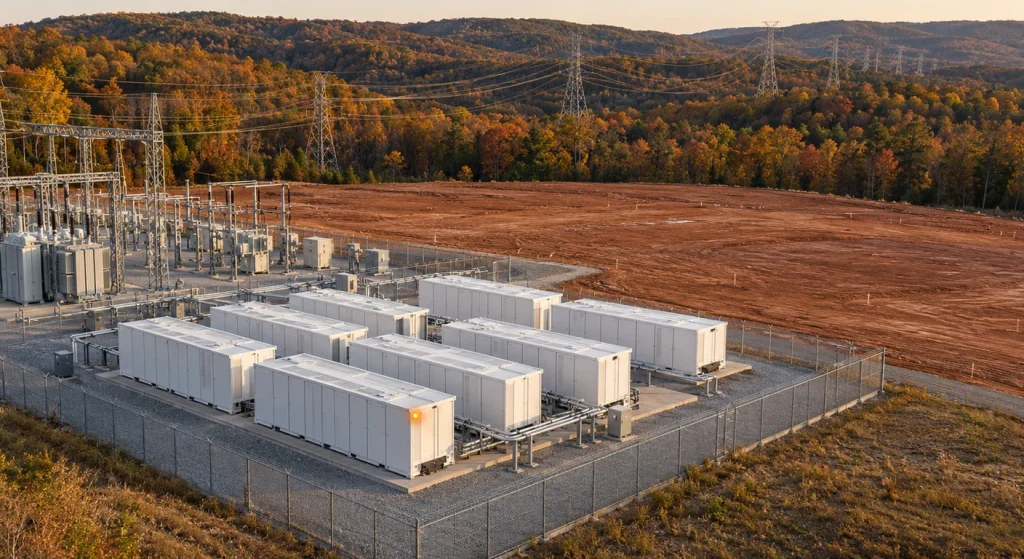
The project upgraded roughly 100 miles of transmission across two alignments. New York Power Authority crews built the 45-mile Northern Alignment between Massena and the town of Clinton, adding the Haverstock, Willis Annex and Adirondack substations and modifying six others. National Grid rebuilt the 55-mile Southern Alignment between Croghan and Marcy and constructed a new substation at Austin Road. In total, the work added four new substations and upgraded 10 existing ones across Clinton, Franklin, St. Lawrence, Lewis and Oneida counties in the North Country and Mohawk Valley.
Smart Path Connect ties into the New York Power Authority’s separately completed 78-mile Smart Path line, forming nearly 200 uninterrupted miles of upgraded 345-kilovolt transmission between Clinton and Oneida counties. The combined corridor carries power from the St. Lawrence-Franklin D. Roosevelt hydroelectric plant along with newer North Country wind and solar toward downstate demand centers, easing congestion that had bottled up cheap upstate generation.
Critical Perspective
The project rebuilt 100 miles of 345 kV line to unlock more than 1,000 MW of upstate hydro, wind and solar, but the $438 million in projected annual savings is a forecast that hinges on downstate load actually absorbing power that still must cross New York’s separately congested lower-Hudson corridor. Smart Path Connect clears the North Country bottleneck, yet the Champlain Hudson Power Express, a 339-mile line built specifically to push Canadian hydro into New York City, exists precisely because the upstate corridors alone have never been enough to reach that load. The New England Clean Energy Connect in Maine shows the distance between breaking ground and delivering: that 145-mile line was halted by a 2021 ballot referendum and court fights for more than a year before construction resumed, pushing its promised Canadian hydro years past the original schedule. If the 1,000 MW of newly unlocked capacity meets the same lower-Hudson congestion that Champlain Hudson was built to bypass, how much of the $438 million ever reaches ratepayers?
Why It Matters
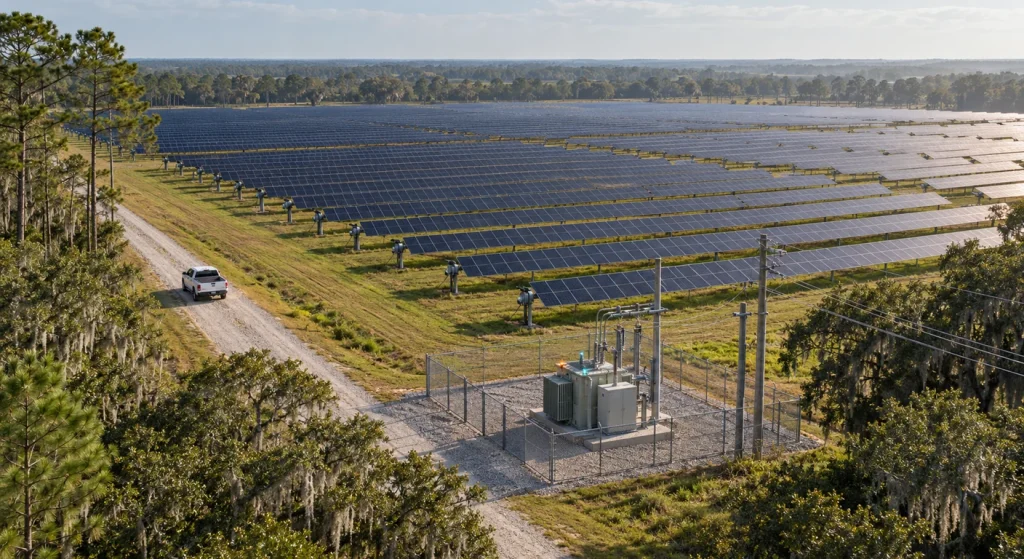
New York’s climate law requires 70% renewable electricity by 2030, but much of the state’s cheapest clean generation sits in the north, far from the New York City and Hudson Valley load it is meant to serve. Congestion on the old lines forced grid operators to curtail hydropower and dispatch more expensive generation closer to the cities. By raising the corridor’s capacity, Smart Path Connect lets the New York Power Authority move the full output of the St. Lawrence River hydro fleet and clears headroom to interconnect additional wind and solar. The $438 million in projected annual benefits comes largely from displacing that higher-cost power.
Sources
- Governor Kathy Hochul: Completion of 100-Mile Smart Path Connect Transmission Project (June 22, 2026)
- New York Power Authority: Smart Path Connect project page
- RTO Insider: New York Celebrates Completion of Smart Path Connect
- Spectrum News: Completion of Smart Path Connect Marks Brighter Future for New York’s Grid