Google Breaks Ground on 1 GW Meitner Energy Center
- Data Centers Grid Connection & Reliability News
Marin Holt
- 0
- 7 minutes read
- Dedicated capacity: more than 1 GW
- Location: Gray and Roberts Counties, Texas
- Announced: June 4, 2026
- Texas investment: $40 billion through 2027
- Workforce hub: 3,500 construction workers
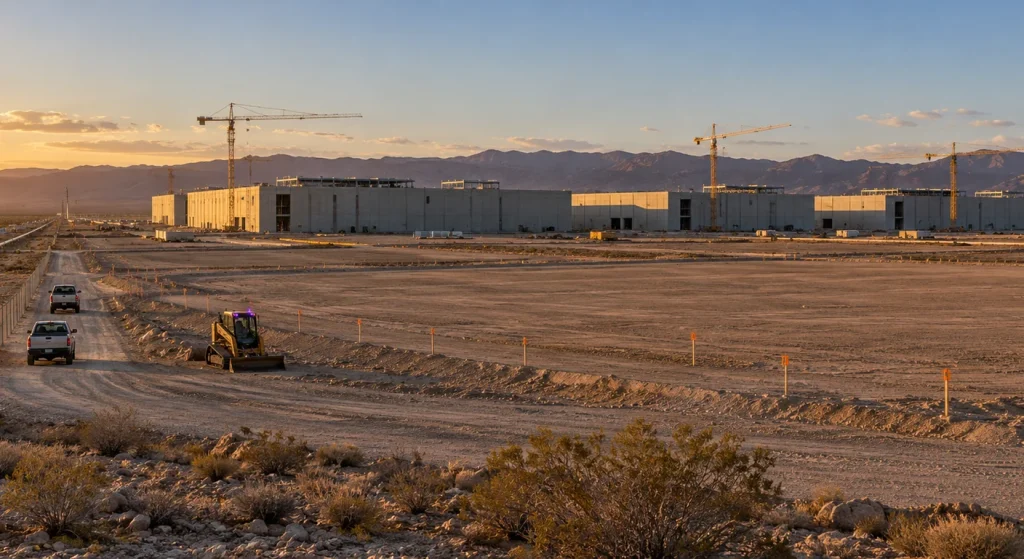
Google, alongside its newly acquired Intersect Power, broke ground on the 1 GW Meitner Energy Center on June 4, 2026, in Texas’s Panhandle, near Pampa. The project co-locates a new Google data center with a substantial clean energy and on-site generation complex, aiming to power the facility directly.
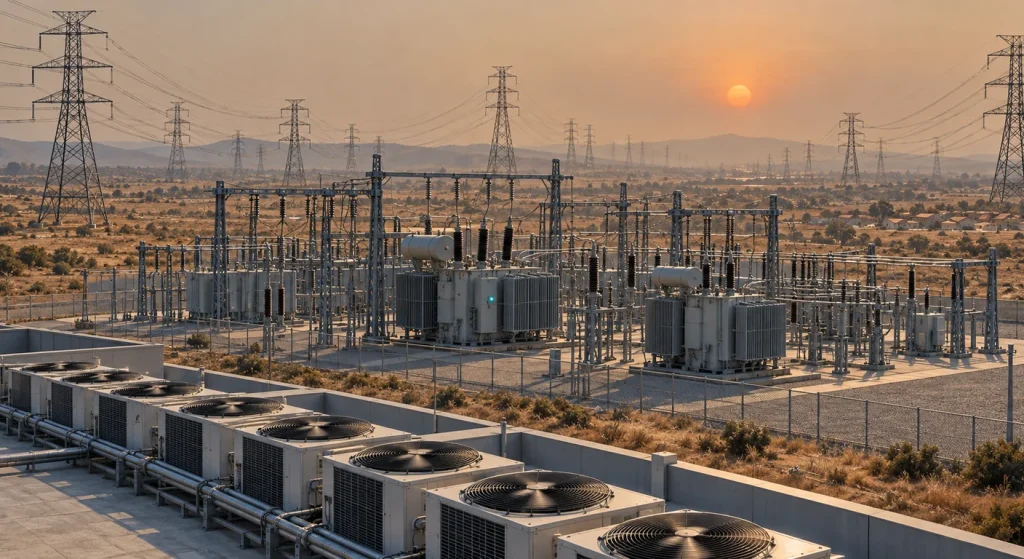
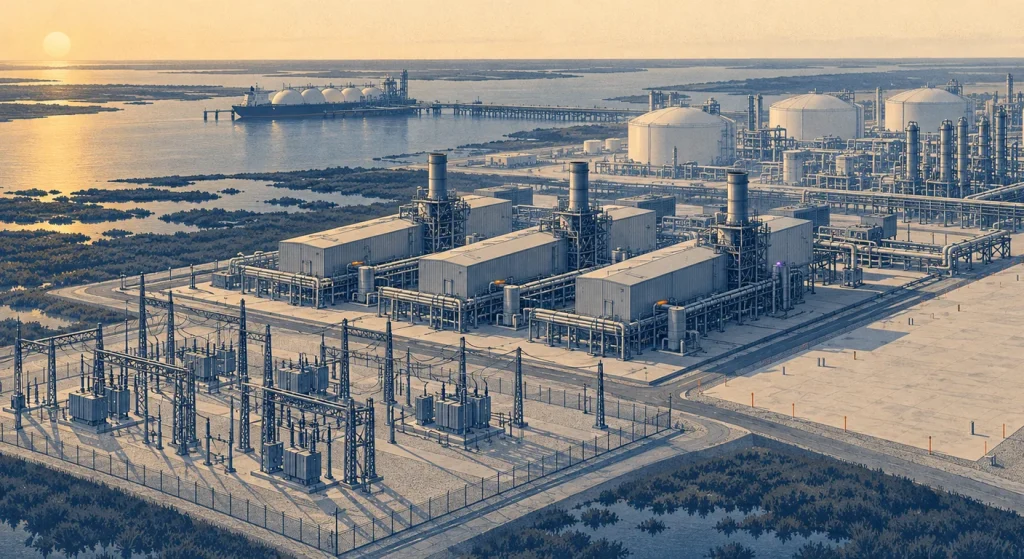
The Meitner Energy Center, situated across Gray and Roberts Counties, is designed to provide more than 1 GW of dedicated wind, solar, and battery storage capacity. This clean energy will be supplemented by on-site gas-fired generation, intended to firm up reliability. A key aspect of the project’s design is its co-location strategy, which Google states reduces the need for new power supply on the local grid.
Further underscoring its commitment to water conservation, the data center will employ air cooling systems, thereby eliminating water withdrawals typically associated with cooling infrastructure. This move aligns with broader industry trends toward more sustainable data center operations.
To support the influx of workers required for construction, Alphabet, Google’s parent company, is developing the Caprock Workforce Hub. This 800-acre residential facility in Wheeler County is slated to house up to 3,500 construction personnel. Alphabet’s acquisition of Intersect Power in March 2026 provided it with a significant multi-gigawatt development pipeline and an experienced team, bolstering its renewable energy ambitions.
The Meitner project forms part of Google’s larger $40 billion investment in Texas cloud and AI infrastructure, scheduled through 2027. While the company has provided details on the energy generation capacity and its co-location strategy, specific figures regarding the data center’s compute load, peak demand draw, or its commercial operation date remain undisclosed.
The 1 GW figure describes nameplate generation, not the firm output a constant data center load requires. Wind and solar deliver intermittently, so the on-site gas-fired units carry the round-the-clock backbone whenever the renewables fall short. Without a disclosed compute load or peak demand draw, the share of the data center’s hourly consumption actually met by the co-located clean generation stays unverifiable. The battery storage narrows the gap during brief shortfalls, though its duration and energy capacity in MWh were not released.
Critical Perspective
Google’s 1 GW Meitner campus is pitched as easing pressure on the local grid through co-located wind, solar, and battery, but the same announcement quietly adds on-site gas-fired generation to firm reliability, an admission that more than 1 GW of intermittent supply cannot keep a 24/7 data center stable on its own. Meta made a nearly identical move in Louisiana, pairing a large AI campus with new Entergy gas turbines, a deal that drew regulatory scrutiny over who ultimately pays for the fossil backup. The $40 billion Texas investment and 3,500-worker Caprock hub signal permanence, yet the project sits in the same ERCOT territory where wind and solar are routinely curtailed when transmission is congested. If the on-site renewables are curtailed or fall short, how much of that 1 GW quietly leans on gas, and does the co-location claim still hold once the backup is running?
Why It Matters
For grid operators and data center developers alike, the Meitner Energy Center offers a tangible example of a behind-the-meter generation strategy designed to circumvent lengthy interconnection queues. By building dedicated, co-located renewable and firming capacity, Google sidesteps the traditional reliance on new grid supply for its power needs. This approach signals a potential shift in how large energy consumers secure their power, prioritizing self-sufficiency and direct control over their energy sources, which could have implications for future grid planning and the development of distributed energy resources.