Crusoe Taps Bergen Engines for 750 MW of On-Site Gas Power
- AI Energy Demand Data Centers News
Marin Holt
- 0
- 6 minutes read
- Total capacity: 750 MW
- Firm contract: 438 MW
- Letter of intent: 310 MW
- Delivery: Phased through 2027
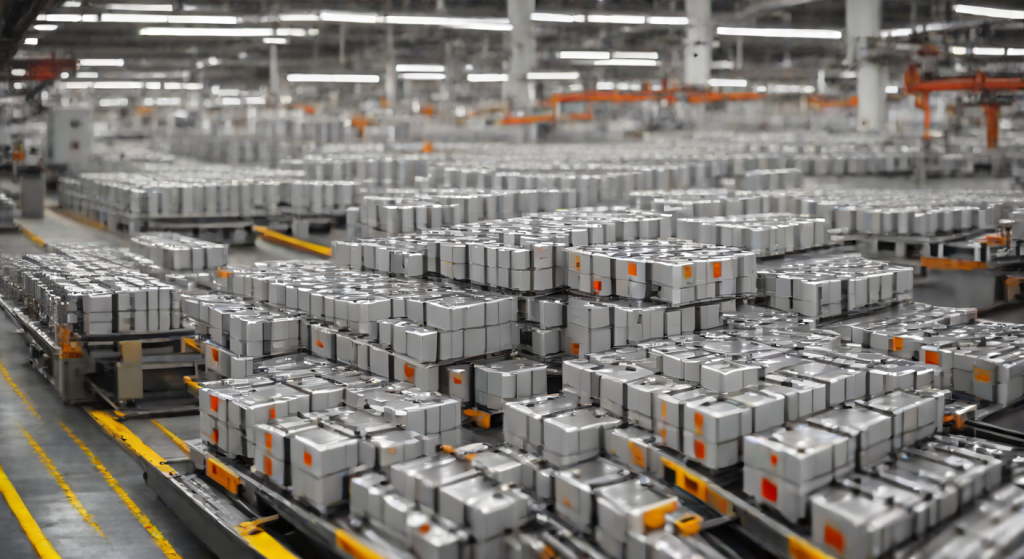
Bergen Engines has signed an agreement to supply roughly 750 MW of on-site natural gas generation to Crusoe’s U.S. AI data centers, the two companies announced on June 3, 2026. The deal splits into a 438 MW firm contract and a 310 MW letter of intent, with engines delivered to multiple Crusoe sites and phased through 2027. Bergen, part of UK-based Langley Holdings, will build the capacity from 27 of its B36:45V20AG2 gensets rated at 12.5 MWe each and 20 smaller B36:45L9AG units at 5 MWe each.
The generation sits behind the meter — Crusoe runs the engines on its own side of the connection rather than drawing the load from the grid. That structure lets the AI infrastructure firm sidestep utility interconnection queues that now stretch years across much of the country, the constraint that has become the binding limit on how fast new data center capacity comes online.
To hold voltage and frequency steady against the sharp, second-to-second load swings of AI training clusters, the gensets pair with Piller Power Systems’ SHIELD-X dynamic power stabilization technology and Marelli Motori alternators. Bergen rates the natural gas units for continuous 24/7 baseload duty rather than backup-only operation.
Critical Perspective
Bergen Engines’ 750 MW on-site natural gas generation deal for AI data centers operated by Crusoe underscores the physical constraints of scaling renewable energy infrastructure. The firm contract of 438 MW and letter of intent of 310 MW, phased through 2027, aligns with historical trends where utilities struggle to secure long-term contracts due to variable demand from tech sectors. According to Watt-Logic’s research, the Capacity Market has failed to deliver on its promise of new large-scale gas-fired plant, awarding only 3.5 GW since 2018 despite initial expectations of 10 GW. This shortfall highlights the irrationality in relying solely on market mechanisms for infrastructure development. The question remains: if tech giants like Crusoe are hesitant to commit long-term contracts due to fluctuating demand, how will this reluctance impact the broader grid’s reliability and the ratepayer burden? The physics of gas generation do not negotiate with variable demand; without firm commitments from data centers, the risk of stranded assets increases. How can we ensure that such investments in natural gas infrastructure are justified when the market signals are murky at best?
Why It Matters
The agreement is another sign that large AI operators are buying generation outright instead of waiting in line for utility power. By contracting 750 MW of dispatchable on-site gas, Crusoe turns a multi-year grid-interconnection problem into an equipment-delivery schedule it controls. For utilities and grid operators, every behind-the-meter megawatt of this kind is load — and capacity — that never enters the interconnection queue, which reshapes how regions forecast data center growth. The trade-off is emissions and fuel exposure: 750 MW of gas gensets locks in on-site combustion and natural gas demand that grid-supplied power might otherwise have decarbonized over the life of the contract.