Blue Energy and GE Vernova Reserve Two Gas Turbines for a 2.5 GW Gas-Plus-Nuclear Plant to Power a Texas Data Center
- AI Energy Demand Data Centers News
Marin Holt
- 0
- 5 minutes read
- Total plant capacity: 2.5 GW
- Gas power by 2030: ~1 GW
- Nuclear power by 2032: ~1.5 GW
- Gas turbines reserved: 2 x GE Vernova 7HA.02 (2029 delivery)
- Blue Energy raise (April 2026): $380 million
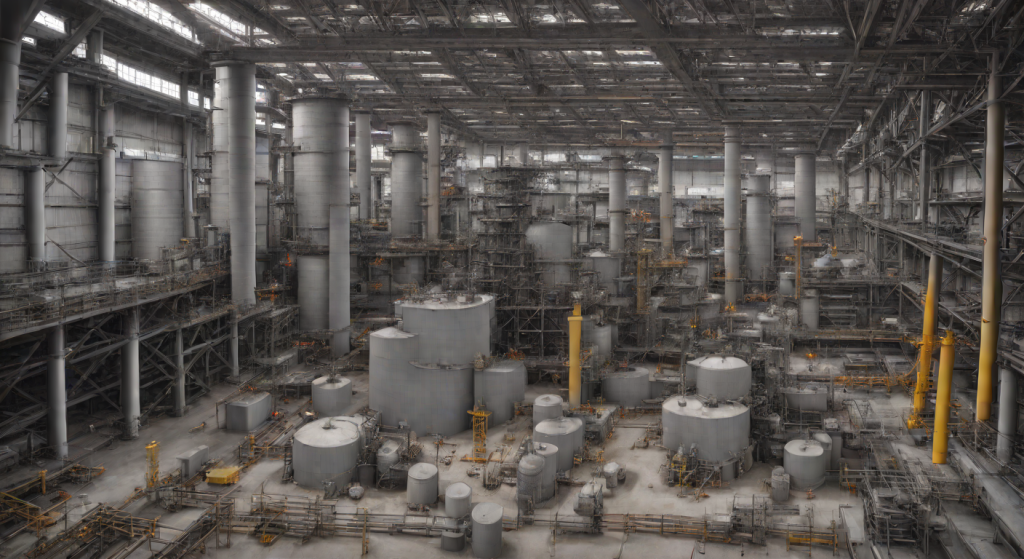
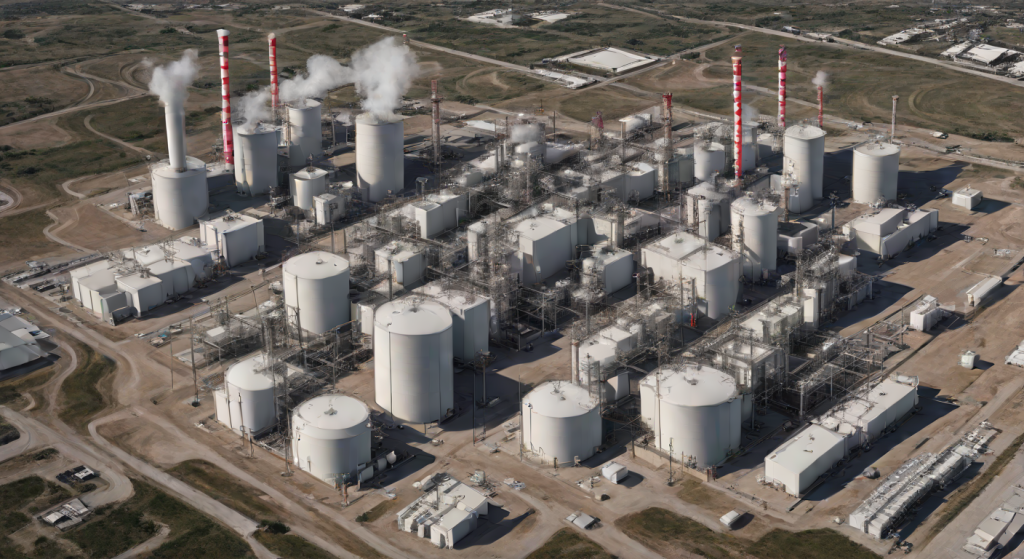
Blue Energy and GE Vernova signed a slot reservation agreement on May 5, 2026 for two GE Vernova 7HA.02 gas turbines, the first hardware commitment behind a planned 2.5 GW “gas-plus-nuclear” power station in Texas that will feed a nearby data center campus. The turbines, set for delivery in 2029, provide about 1 GW of early power around 2030; Blue Energy then plans to add roughly 1.5 GW of nuclear generation from GE Vernova Hitachi BWRX-300 small modular reactors as early as 2032. Blue Energy, which raised $380 million in April 2026 led by VXI Capital with backing from Engine Ventures, targets a final investment decision in 2027 and a construction permit application the same year.
Gas First, Nuclear Later
The two companies describe the design as a phased build: natural gas turbines energize the site first, delivering firm power and revenue within about 48 months, while the BWRX-300 reactors move through licensing and construction. Once the reactors reach service, the steam supply switches over and nuclear output ramps toward the 1.5 GW target. Blue Energy says the sequencing trims at least five years off a conventional nuclear timeline by starting generation before the reactors are built.
“This approach gets power onto the grid on the timeline data centers actually need,” said Jake Jurewicz, chief executive and co-founder of Blue Energy. Eric Gray, chief executive of GE Vernova’s Power segment, framed the turbine reservation as the step that locks in delivery capacity for a first site as gas turbine order books tighten through 2030. The first plant is slated for a Blue Energy site in Texas, with the electricity dedicated to an adjacent campus serving artificial intelligence and advanced manufacturing loads.
Why It Matters
Each gigawatt-scale plant built beside a data center is generation that regional planners do not add to the shared grid, and the gas-first design lets an AI developer lock firm supply years before a reactor is licensed. The model shifts both fossil and nuclear buildout into private, load-serving deals struck by data center developers rather than regulated utilities. It also puts a commercial test behind the BWRX-300: whether a small modular reactor reaches operating scale on a data center’s schedule and balance sheet, with gas covering the gap until it does.
Critical Perspective
Blue Energy reserved two GE Vernova 7HA.02 turbines toward a plant it markets as 2.5 GW of firm power for a Texas data center. The gas turbines supply only about 1 GW by 2030, so the 2.5 GW headline leans on 1.5 GW of BWRX-300 small modular reactors due in 2032, a class of reactor that has not yet reached commercial operation anywhere in the world. The last flagship American SMR effort, NuScale’s Carbon Free Power Project with UAMPS in Idaho, collapsed in November 2023 when projected costs climbed and subscribers withdrew, well before any reactor was built. If the BWRX-300 slips the way earlier small reactors have, does this become a 1 GW gas plant wearing a nuclear headline, and who supplies the missing capacity to the data center until 2032 or beyond?