Fort Bliss Commissions 15 MW Microgrid System Under UESC
- Microgrids News On-Site Generation & Microgrids
Marin Holt
- 0
- 7 minutes read
- 15 MW of distributed energy resources and 8 MW of battery storage
- 142 critical buildings protected — approximately 40% of Fort Bliss's mission-critical facilities
- Financed under a UESC with no upfront capital from federal appropriations
- Fort Bliss built the Army's first microgrid in 2013; this system scales that legacy to installation-wide resilience
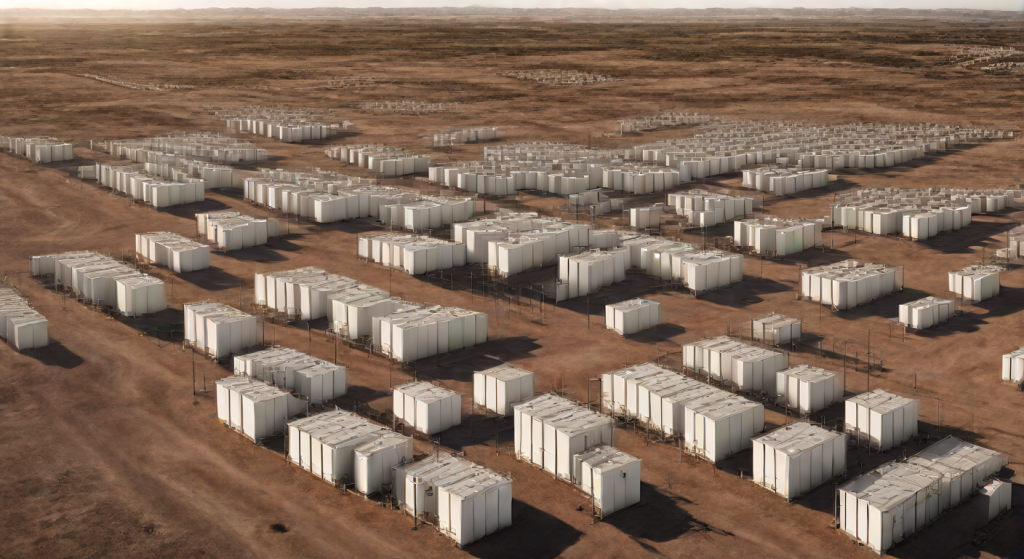
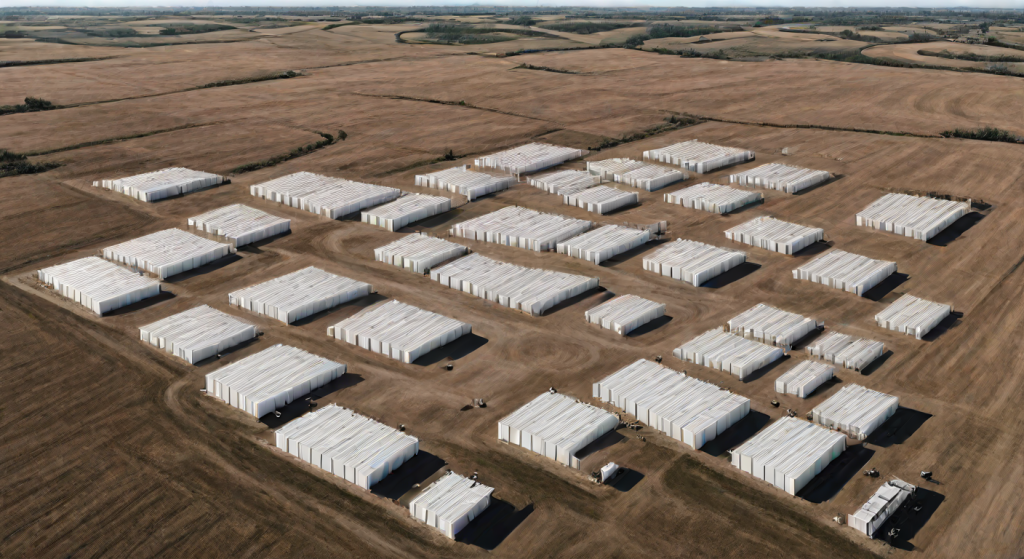
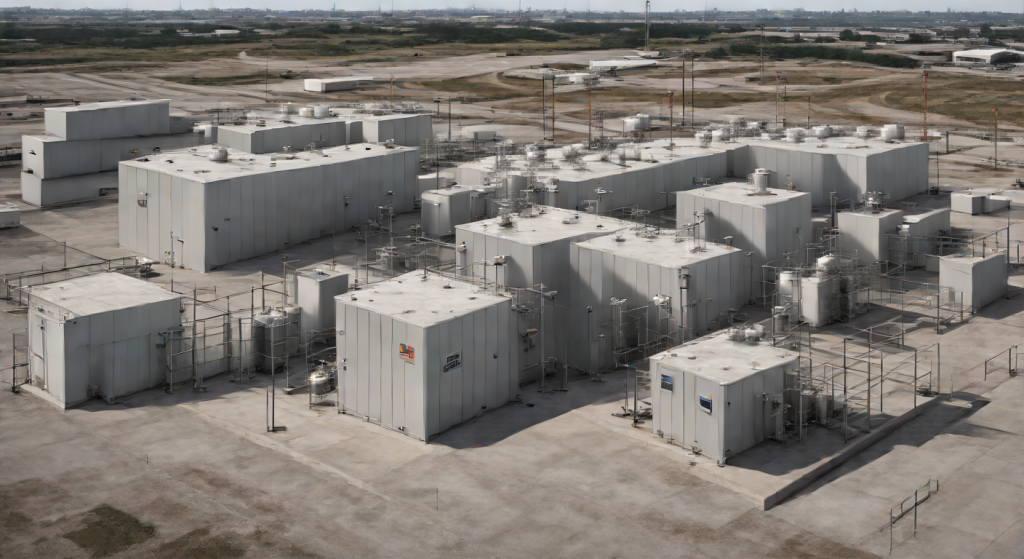
US Army Garrison Fort Bliss in West Texas has commissioned a new microgrid providing 15 megawatts of distributed energy resources and 8 megawatts of battery energy storage. The system protects 142 critical buildings across the base — roughly 40% of Fort Bliss’s mission-critical facilities — and was built without upfront capital investment under a Utility Energy Services Contract.
What Was Built
The US Army Corps of Engineers Huntsville Center contracted New Mexico Gas Company (NMGC) and Energy Systems Group (ESG) of Indiana to design, install, and finance the system. NMGC will operate and maintain the microgrid going forward. The installation integrates 15 MW of distributed energy resources with 8 MW of battery storage, and can operate in both grid-parallel and island mode — maintaining power to 142 buildings during grid outages.
Fort Bliss spans 1,700 square miles in West Texas and Southern New Mexico and is home to the 1st Armored Division and the 32nd Army Air and Missile Defense Command. It ranks among the Army’s largest installations. The garrison built the Army’s first-ever microgrid in 2013 — a 120 kW solar array paired with 300 kW of energy storage — and added a 20 MW solar farm in partnership with El Paso Electric in 2015.
How the UESC Model Works
A Utility Energy Services Contract lets federal installations partner with a utility to fund energy and resilience upgrades without appropriated capital. The utility finances, designs, and installs the project; the federal agency repays the investment over time through energy savings generated by the project itself. This structure has become the Army’s preferred mechanism for large-scale microgrid deployments, allowing installations to modernize infrastructure at a time when congressional energy budgets face competing demands.
Why It Matters
Fort Bliss’s 2013 microgrid was a proof of concept. The 2026 commissioning shows the Army scaling that model to protect mission-critical infrastructure at installations that cannot afford grid-dependent operations. The Department of Defense has set a goal of energy resilience for all mission-critical facilities by 2030; Fort Bliss demonstrates how UESC financing — requiring zero upfront appropriations — makes that timeline achievable. With 142 buildings now islanded from grid failures, Fort Bliss gains operational continuity that smaller generator-only backup systems cannot match.
Critical Perspective
The UESC model depends on actual energy savings meeting or exceeding debt repayment obligations. If Fort Bliss’s DER and storage system underperforms relative to projections — due to equipment degradation, dispatch constraints, or lower-than-forecast utility rates — the installation carries the gap. DoD has published limited post-project audits on UESC savings verification, making it difficult to assess how consistently the model delivers the promised returns across the Army’s growing microgrid portfolio.