Nvidia’s 100 GW AI Data Center Plan: Grid Solution?
- Data Centers Grid Capacity Grid Connection & Reliability News
Marin Holt
- 1
- 6 minutes read
- Nvidia is partnering with Emerald AI and energy supply companies.
- The initiative aims to create 'power-flexible AI factories'.
- These factories can support grid stability.
- A new reference design incorporates Nvidia's latest chips and DSX software.
- Technology enables real-time management of power consumption in AI factories.
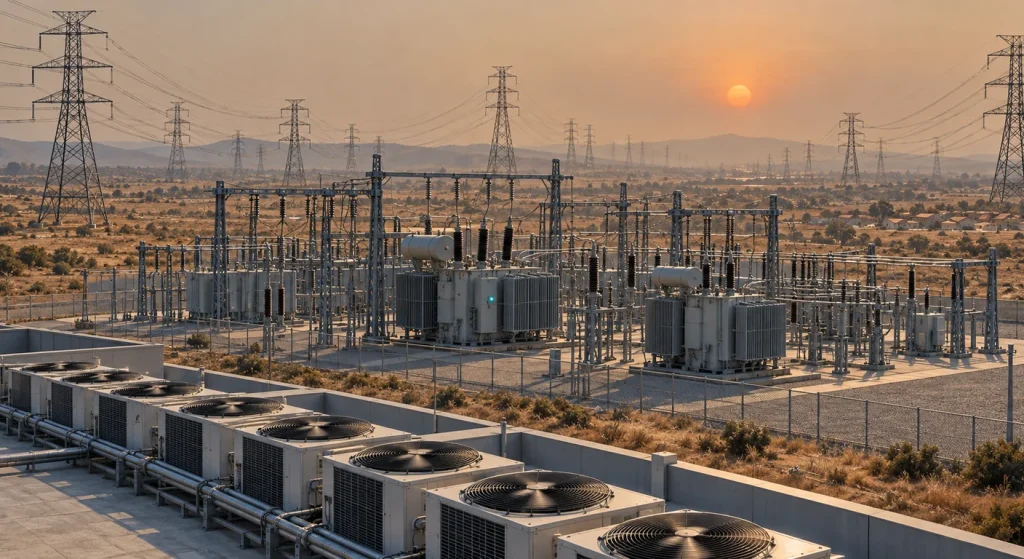
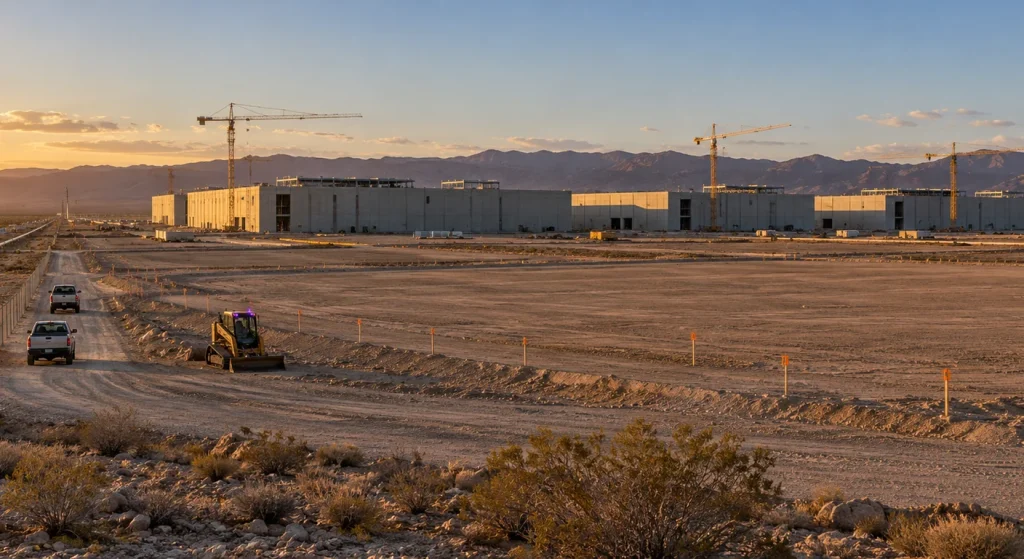
Nvidia, a leader in AI chip manufacturing, is partnering with Emerald AI and several energy supply companies to revolutionize how AI data centers interact with the power grid. This initiative aims to create “power-flexible AI factories” that can not only consume significant energy but also act as valuable assets to support grid stability.
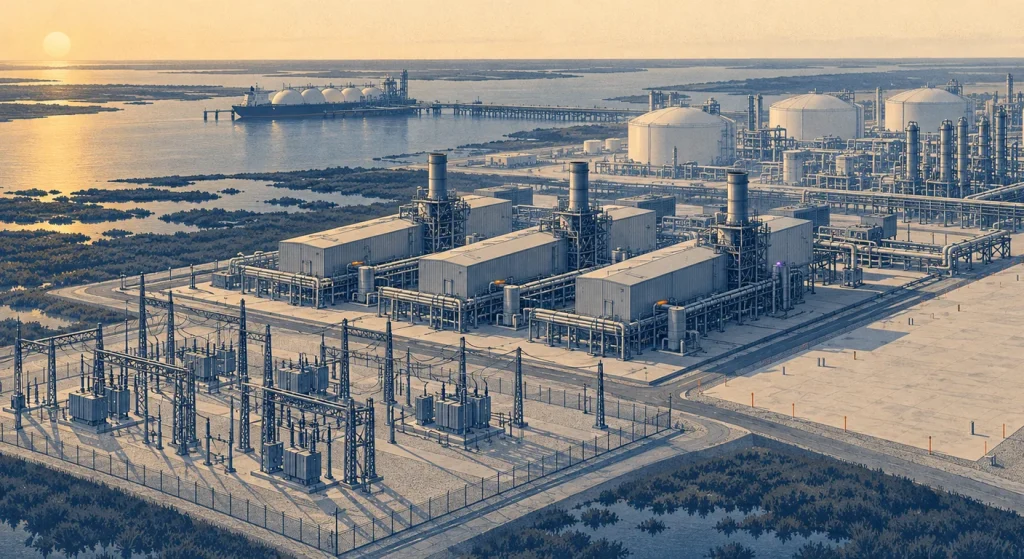
At the heart of this project is Nvidia’s new reference design, featuring their newest chips and DSX software. This setup is supposed to let AI factories precisely control their power draw, shifting their load on demand. Nvidia claims this could unlock a massive 100 gigawatts of grid support capacity across the U.S. This technology will enable real-time management of power consumption within AI factories, allowing them to modulate their demand and coordinate flexible load. The vision is for these facilities to use on-site generation and storage as a preliminary power source, eventually transitioning to a model where they can flexibly support the grid when needed.
Emerald AI’s Conductor platform will play a crucial role in orchestrating this computational flexibility, integrating it with on-site resources to deliver power flexibility. Nvidia estimates that these power-flexible AI factories could unlock up to 100 gigawatts of capacity across the U.S. power system. For context, the U.S. experienced a peak demand of 759 GW last July, highlighting the significant potential of this initiative.
The need for such flexibility is driven by the current limitations of the grid. Transmission and supply infrastructure are constrained, and building new capacity is a slow process. Furthermore, the grid operates with an estimated load factor of around 60%, indicating significant inefficiency. The cost of electricity supply is also rising, with capacity market prices in regions like PJM soaring and data loads contributing substantially to these costs.
By introducing more flexibility during periods of grid scarcity, this new approach promises to meet increased demand without requiring immediate infrastructure expansion. It also enables more energy to flow across existing grid infrastructure, potentially leading to lower costs for consumers.
Critical Perspective
Nvidia projects that power-flexible AI factories could unlock up to 100 gigawatts of capacity across the U.S. power system. However, Google’s DeepMind cooling-optimization work cut cooling energy at its own data centers by 40 percent, about a 15 percent reduction in total PUE overhead. That is an efficiency gain inside the fence, not dispatchable capacity released back to the grid. Will Nvidia’s ambitious plan truly overcome the challenges faced by past comparable projects?
Why It Matters
This development signifies a shift towards AI infrastructure actively participating in grid management, moving beyond passive consumption. It suggests a future where massive data centers can become dynamic grid resources, a trend already seen as renewable energy integration increases the need for flexible demand, with the U.S. grid needing to accommodate an estimated 100 GW of flexible AI capacity.
Related: NVIDIA and six US power producers launched dispatchable AI
Related: US data centers hit 50 GW