Eora Energy launches 1 battery Australia

- Eora Energy has launched in Australia with a focus on vanadium redox flow battery (VRFB) systems.
- The company aims to provide solutions for mining operations, data centres, and regional infrastructure.
- Eora Energy's launch coincides with significant growth in Australia's long-duration energy storage sector.
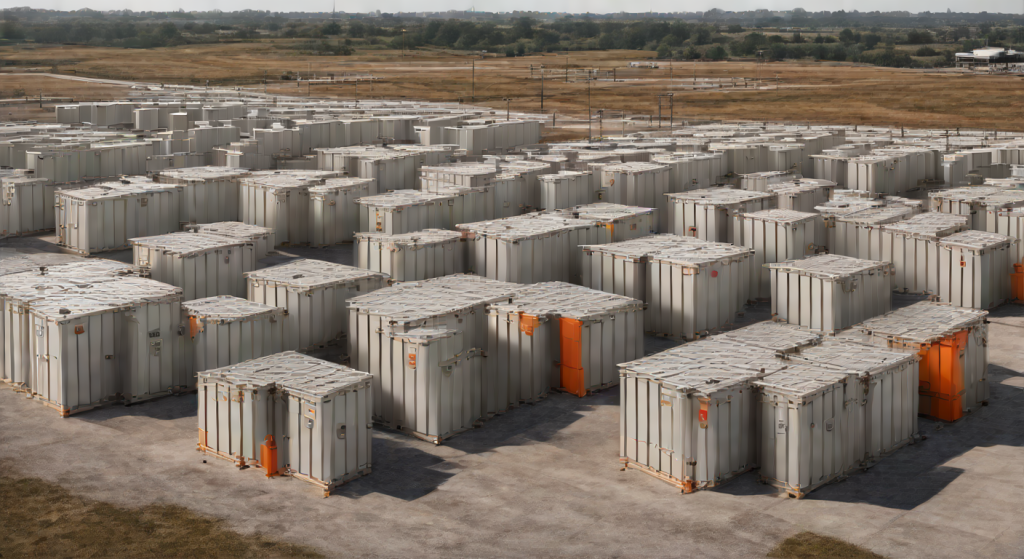
Sydney, Australia – A new contender has emerged in Australia’s burgeoning long-duration energy storage (LDES) sector. Eora Energy officially launched on April 2nd, with a clear focus on deploying vanadium redox flow battery (VRFB) systems to address critical energy needs in mining operations, data centres, and regional infrastructure.
The company, whose name signifies “here” or “from this place” in the Indigenous languages of the Sydney region, aims to provide practical commercial systems, particularly in areas heavily reliant on diesel generation and facing increasing grid limitations. This strategic positioning comes at a time of significant growth for LDES in Australia, highlighted by Western Australia’s recent large-scale VRFB procurement initiative.
Eora Energy’s CEO and co-founder, James Costello, emphasized the company’s commitment to practical commercial outcomes. “We are building a platform focused on practical commercial outcomes, particularly in sectors where diesel dependence remains high, and grid constraints are intensifying,” Costello stated.
Key Markets Targeted by Eora Energy
- Mining Operations: Addressing the high diesel dependence of remote mining sites, where volatile fuel costs and carbon reduction pressures are driving demand for alternative energy systems.
- Data Centres: Providing reliable and long-duration energy storage to support data centre operations facing grid constraints.
The company’s strategy applys the inherent advantages of VRFB technology, including its extended operational life of over two decades without performance degradation, enhanced safety features, and competitive lifecycle costs, making it particularly suitable for applications where longevity is paramount.
Local Focus, Global Partnerships
Eora Energy’s business model is built on a foundation of combining global technology partnerships with a localized deployment and manufacturing approach. This strategy aligns with Australia’s national objectives for sovereign capability, especially given the country’s substantial vanadium reserves, found in regions such as Western Australia and Queensland.
The company is actively engaging with government agencies and industry partners to advance pilot projects and secure necessary funding. Eora Energy’s platform integrates decades of domestic innovation from local universities with international research and development networks. While specific project details and capacity targets were not revealed at the time of launch, the company’s entry signals a significant development in Australia’s domestic vanadium supply chain, which includes existing initiatives like an electrolyte factory in Queensland.
Why It Matters
This development signifies a growing commitment to diversifying Australia’s energy storage portfolio beyond lithium-ion, particularly for applications requiring extended discharge durations. The increasing adoption of technologies like vanadium flow batteries, as evidenced by Western Australia’s large-scale procurement, indicates a broader industry shift towards grid resilience and decarbonization, with the global LDES market projected to reach $30 billion by 2030.
Critical Perspective
While Eora Energy aims to address diesel dependence in sectors like mining, the company’s focus on vanadium flow batteries mirrors the approach taken by companies like Invinity Energy Systems, which has faced challenges scaling its deployments. Historically, the promise of similar battery chemistries, such as the early enthusiasm for lithium-ion in grid-scale applications, has often been tempered by economic realities and technical hurdles. Given the substantial capital required for VRFB infrastructure, what are the long-term implications for grid reliability if these systems prove less adaptable to fluctuating energy demands than initially projected?