Hitachi Energy Invests $10M in North Carolina Power Electronics
- Power Factor Power Quality Product
Marin Holt
- 2
- 6 minutes read
- $10 million investment in Cary, North Carolina Power Electronics Center of Competence
- 150 new engineering and integration jobs focused on STATCOM and reactive power technologies
- Facility targets surging US demand driven by AI data center load growth and industrial electrification
- Part of Hitachi Energy's broader $1 billion US manufacturing commitment announced in 2025
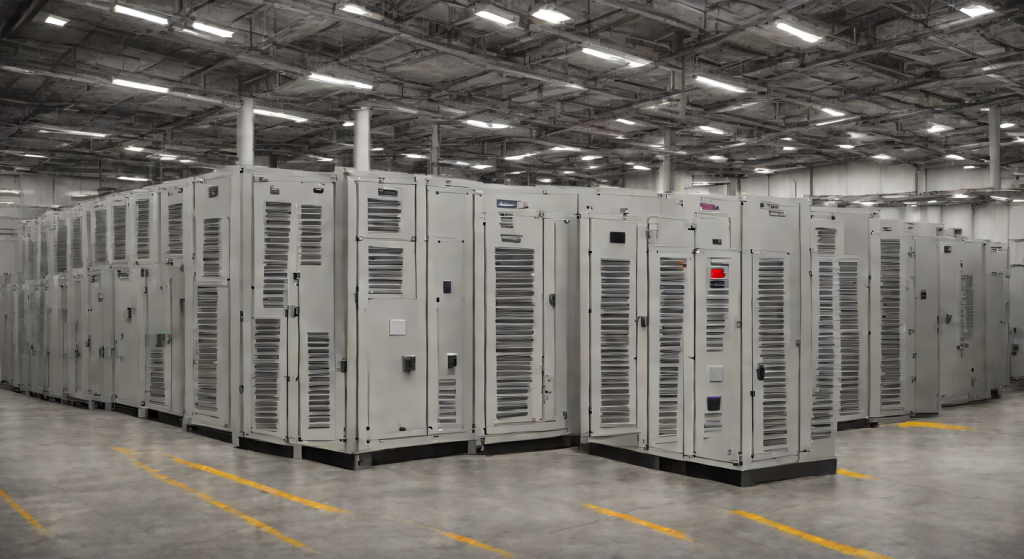
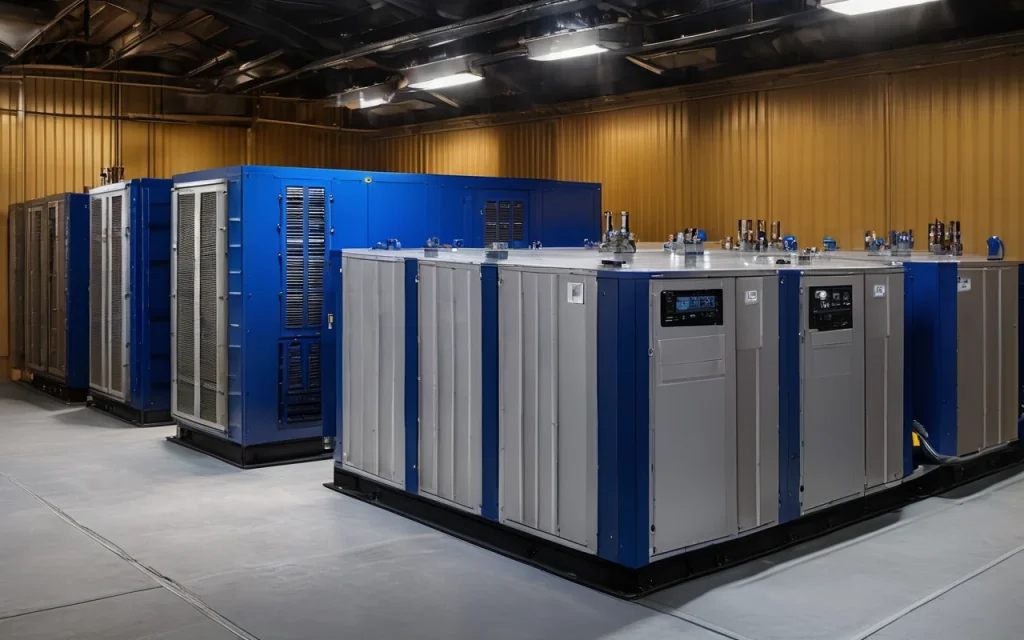
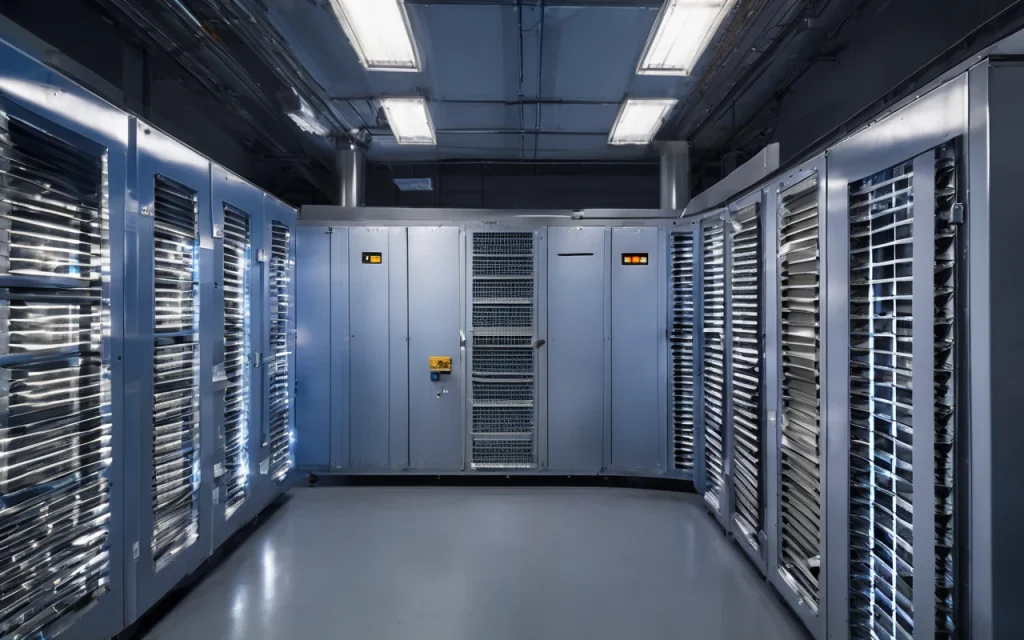
Hitachi Energy will open a new Power Electronics Center of Competence in Cary, North Carolina, committing $10 million and 150 jobs to expand its US engineering and integration capacity for reactive power compensation technologies. The facility, announced April 2, 2026, will serve as Hitachi Energy’s primary US hub for STATCOMs, synchronous condenser systems, fixed series compensation, and HVDC grid controls — the equipment utilities deploy to manage voltage stability and power factor at transmission scale.
What the Center Will Do
The 32,000-square-foot Cary facility will house engineering, testing, and system integration teams focused on grid stabilization products. Hitachi Energy SVP Marco Berardi cited two primary demand drivers: AI data center load growth — which is creating rapid, large-block power demands at transmission interconnection points — and industrial electrification adding nonlinear loads to distribution and sub-transmission networks. Both create reactive power deficits that STATCOMs and synchronous condensers compensate in real time.
The investment is part of Hitachi Energy’s broader $1 billion US manufacturing commitment announced in 2025. The Cary center is separate from transformer and switchgear operations and focuses specifically on power electronics — a product line facing its own supply constraints as utilities and grid developers scramble to maintain voltage stability in networks with growing inverter-based generation.
Why It Matters
US electricity demand is projected to grow 35–50% by 2040 according to Hitachi Energy’s analysis, driven by data centers, EV charging, and manufacturing reshoring. That load growth strains reactive power reserves — the invisible currency of voltage stability. Traditional synchronous generators provided reactive power as a byproduct of operation; as they retire in favor of solar and wind, grid operators must procure reactive compensation explicitly. STATCOMs, which respond in milliseconds using power electronics, are increasingly the preferred solution over slower mechanically-switched capacitor banks. Hitachi Energy’s Cary investment signals a bet that US demand for this equipment will grow faster than existing supply chains can serve.
Critical Perspective
$10 million is a relatively modest investment for a company with Hitachi Energy’s scale — the announcement reads as much like a talent acquisition play (150 jobs in the Research Triangle’s engineering market) as a manufacturing expansion. The center’s actual output will depend on whether Hitachi Energy can staff it with power electronics engineers in a labor market where those skills command premium salaries. And while the reactive power demand thesis is sound, STATCOMs compete directly with synchronous condensers converted from retired gas turbines — a cheaper option some utilities are deploying first.