FlexGen to Integrate Google-Backed West Virginia Solar Project With 10-Hour Zinc Storage
- Energy Storage News Solar + Storage Integration Utility-Scale BESS
Marin Holt
- 0
- 7 minutes read
- Solar capacity: 86MW
- Lithium-ion storage: 70MW/280MWh
- Eos zinc storage: 10MW/100MWh
- Zinc storage duration: 10 hours
- Solar commercial operation: 2028
FlexGen will serve as system integrator for MN8 Energy’s Mammoth Solar project in Kanawha, West Virginia. The Google-backed project pairs 86MW of solar with lithium-ion batteries and zinc storage from Eos Energy Enterprises. The companies announced FlexGen’s role on Nov. 11, Energy-Storage.news reported.
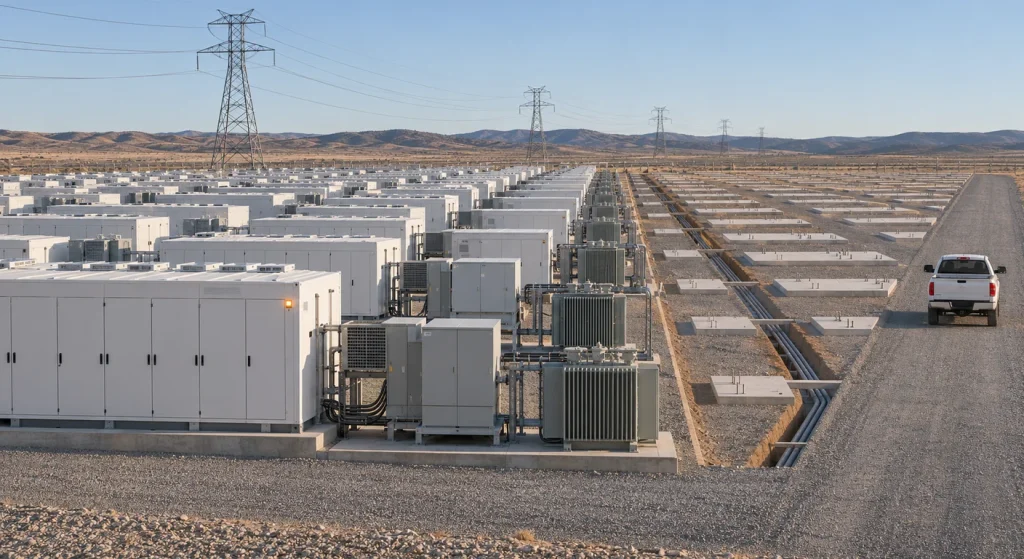
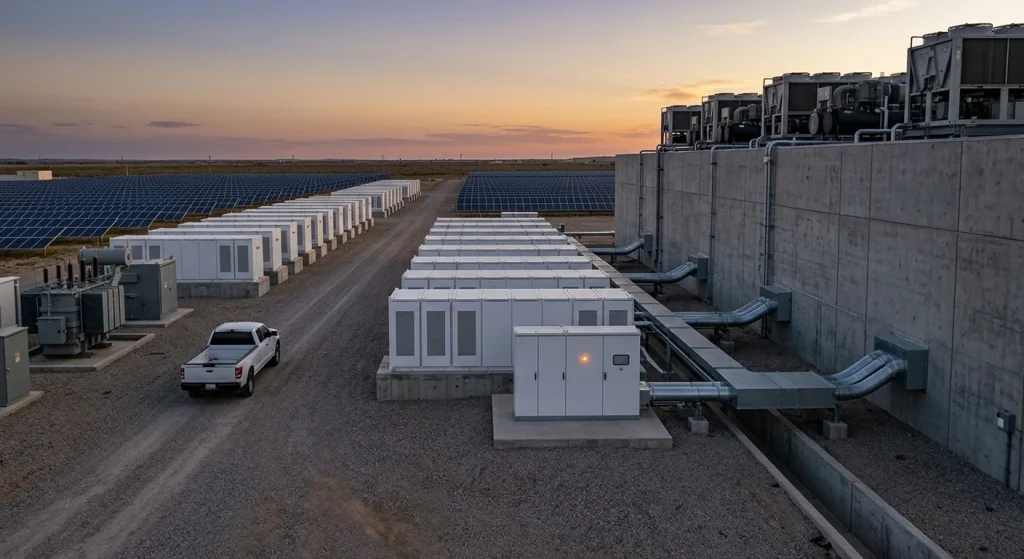
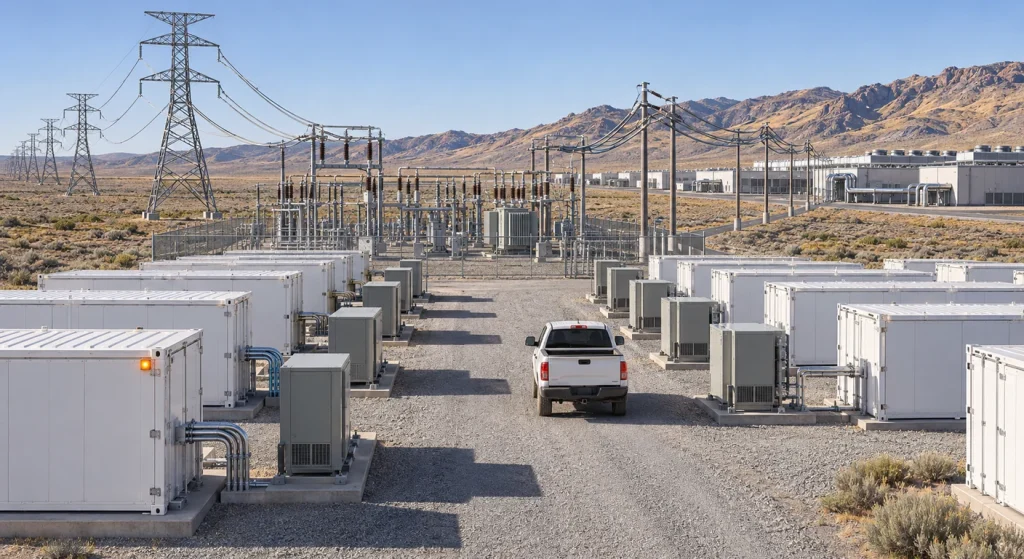
The project combines 86MW of utility-scale solar with 70MW/280MWh of lithium-ion battery storage and 10MW/100MWh of Eos zinc hybrid cathode storage. MN8 owns the project and will operate it.
The zinc system is designed to provide 10 hours of storage, according to BESS News. It will sit alongside the lithium-ion batteries as the project’s long-duration component.
MN8 first announced Mammoth Solar on Sept. 2 and said Google would back it. Under that agreement, Google will purchase the project’s energy, capacity and clean energy attributes. The new development this week is the choice of FlexGen as the integrator.
Solar First, Long-Duration Storage Last
The solar portion is expected to reach commercial operation in 2028, Energy-Storage.news reported. The lithium-ion storage is expected to follow in 2029. The zinc long-duration system is expected to come last, in 2030.
That staged schedule means the site will add storage in two steps after the solar arrays start delivering power.
Software to Coordinate Two Storage Technologies
FlexGen will provide its HybridOS energy management software for the project. Energy-Storage.news identified the installation as West Virginia’s first utility-scale zinc-based long-duration storage deployment.
The software will provide control, analytics and design flexibility for the site, according to Energy-Storage.news. BESS News reported that the solar and storage assets will operate as a single dispatchable resource. One control layer will therefore manage the solar output and both battery chemistries together.
FlexGen says its HybridOS codebase has logged more than 13 million hours of runtime, BESS News reported. The company also says it serves more than 25 GWh across over 200 energy storage systems.
Commissioning Starts Before Equipment Ships
FlexGen says its One Touch Commissioning process tests and validates critical system integrations at its North Carolina lab before hardware ships to the site. The process is the company’s battery storage activation method.
FlexGen also says its Remote Operations Center provides overnight commissioning support while field teams are off-site. The company describes that support as a way to keep commissioning moving on complex projects such as Mammoth Solar.
Why It Matters
The companies say Mammoth Solar aims to expand round-the-clock clean power for local digital infrastructure. The project pairs utility-scale solar with short- and long-duration storage, and all of the assets are intended to run as one dispatchable resource.
Google’s agreement covers energy, capacity and clean energy attributes, which ties a large technology buyer to new supply in the region. The expected schedule stretches from solar in 2028 to long-duration storage in 2030, so the zinc system will be the last piece to test the single-resource design.
Critical Perspective
Energy-Storage.news reported that the solar portion will reach commercial operation in 2028, but the zinc long-duration system is not expected until 2030. That staged schedule means the facility cannot operate as a single dispatchable resource during its initial phases. FlexGen says its software has logged more than 13 million hours of runtime and serves more than 25 GWh, but this project marks the state’s first utility-scale zinc deployment. How will the control system balance Google’s round-the-clock clean energy demand before the long-duration batteries arrive?