FERC Sends a $20 Billion Data Center Fight Back to Court Over a $1 Letter of Credit
- FERC & Federal Policy & Markets Regulatory
Marin Holt
- 0
- 7 minutes read
- Data center size: 1.8 GW, $20 billion
- Credit posted by developer: $1
- Location: Joliet, Illinois
- Show cause responses due: mid-November
- FERC action: rejected ComEd's notice of cancellation
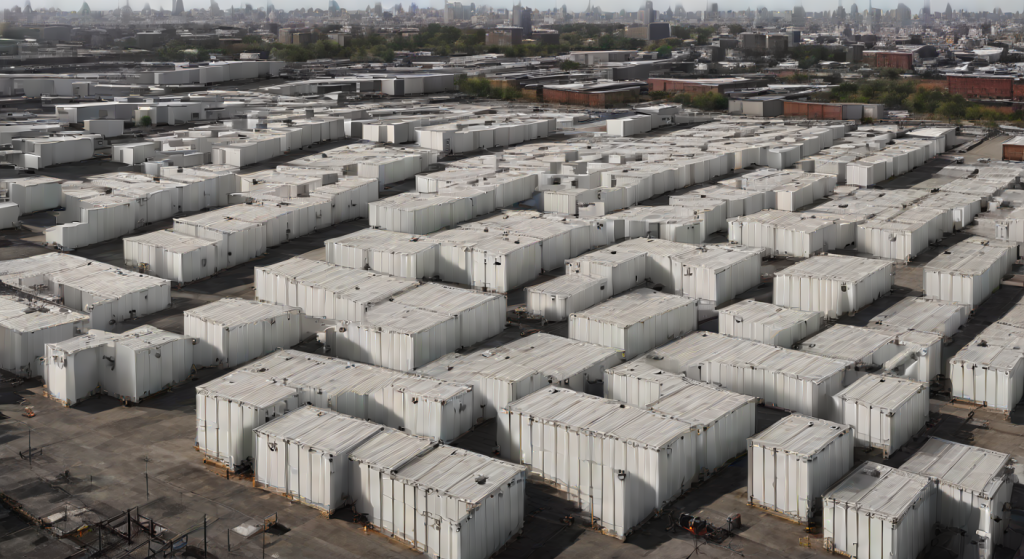
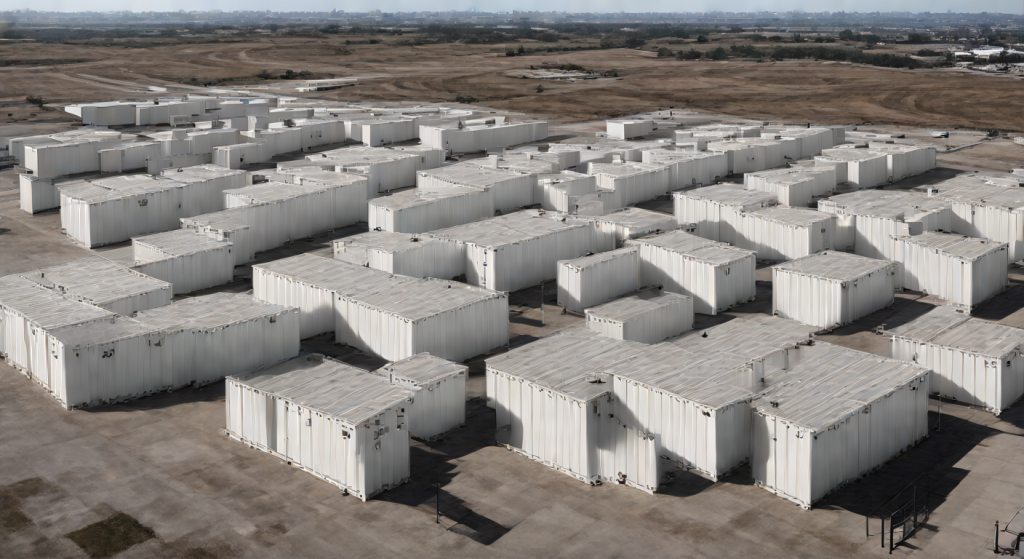
The Federal Energy Regulatory Commission on Tuesday rejected Commonwealth Edison’s notice of cancellation of the transmission security agreement behind a 1.8 GW, $20 billion data center that PowerHouse Hillwood Holding is developing in Joliet, Illinois. FERC declined to take primary jurisdiction over the contract fight and left it with the U.S. District Court for the Northern District of Illinois, where the dispute is already pending. The agreement’s credit support terms are the core of the argument. PowerHouse Hillwood says it satisfied the initial credit requirement with a $1 posting.
ComEd told FERC on July 24 that it had canceled the previously approved agreement. PowerHouse Hillwood had accused the Exelon subsidiary of using monopoly power to quash the project. In declining jurisdiction, FERC said the courts can interpret the disputed language as well as the agency can.
Though we decline to assert primary jurisdiction over the interpretation of ambiguous contract terms involving credit support, our commitment to fair cost allocation, ratepayer protection, and regulatory clarity remains unwavering.
That was Chairman Laura Swett and Commissioner Lindsay See, writing in a joint concurrence. They tied the case to the large load interconnection show cause orders FERC issued to regional transmission organizations and independent system operators in June. Those RTOs and ISOs have until mid-November to respond. Swett and See said it matters more than ever that the operators may propose pro forma cost recovery agreements, and that any such agreement carry language protecting customers from improper cost shifting.
A Dollar of Collateral
Commissioner David LaCerte went after the $1 letter of credit directly.
The idea that $1 may provide appropriate security to any such agreement strikes me as an embarrassing legal fiction: insulting to the underlying ratepayers, stakeholders, and the grid itself that bear the real risk of this project.
LaCerte added that treating the risk as collateralizable for less than the price of a cup of coffee trivializes the obligations the guarantee is supposed to secure. Commissioner David Rosner used the case to defend the pro forma cost recovery agreements the show cause orders call for. Security deposits, Rosner said, help establish both project viability and transparency, and cost recovery agreements keep project risk with the developer rather than the public.
Why It Matters
Four commissioners used a bilateral contract dispute as evidence for a rulemaking, which tells you where this is heading. The show cause responses due in mid-November are now the thing to watch, because that is where the collateral question gets answered in tariff language instead of litigation. Utilities signing large load agreements today should expect the credit support provision to be the clause regulators read first. For anyone tracking announced data center pipelines, the case is also a reminder that a signed interconnection or security agreement is not the same as a financed project. A gigawatt-scale load backed by a dollar of collateral can be withdrawn, contested, and parked in federal court while the capacity still appears in a queue.
Critical Perspective
FERC declined to interpret the contract, then spent its concurrences arguing for its own pending reforms. The awkward fact underneath the commissioners’ language is that the $1 credit posting sat inside an agreement the commission itself had already approved. Calling a term an embarrassing legal fiction is easier than explaining how it cleared review in the first place. The more useful question for anyone signing these agreements is not whether a dollar is adequate security, which nobody will defend, but why the tariff permitted an unspecified initial posting at all. Sending the dispute to the Northern District of Illinois also leaves the underlying question unresolved for every other large load in the queue until the show cause responses arrive in mid-November.