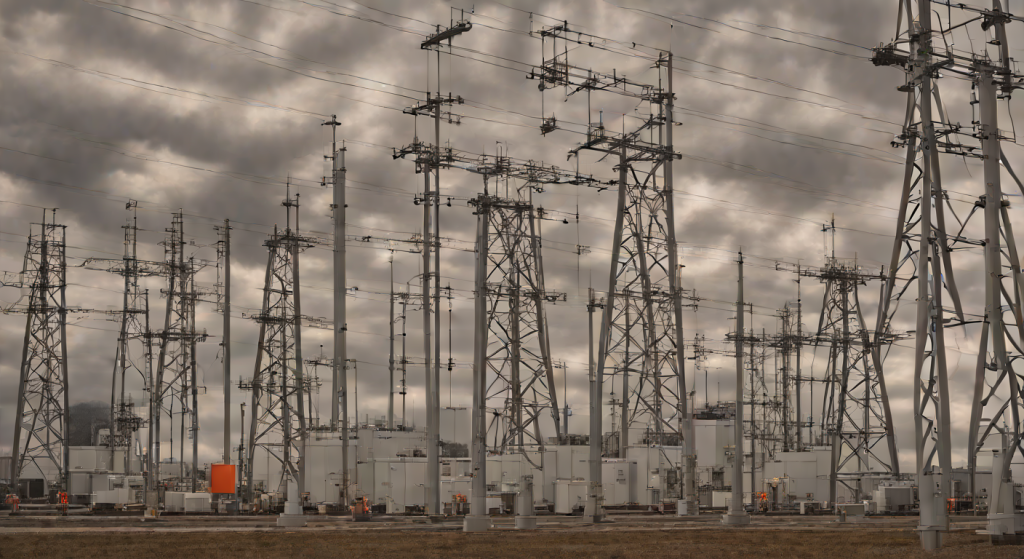
PJM Accepts 715 Projects and 201.5 GW Into the First Cycle of Its Reformed Queue
- Infrastructure & Grid Connection News Policy & Markets
Marin Holt
- 0
- 7 minutes read
- Projects Accepted: 715 of 811 applications
- Nameplate Capacity: 201.5 GW
- Largest by Capacity: Natural gas, 99.8 GW
- Largest by Count: Storage, 314 projects
- Study Timeline: One to two years
- Announced: August 3, 2026
PJM Interconnection has accepted 715 new generation projects into the first cycle of its reformed interconnection process. Together they carry 201.5 GW of nameplate capacity. PJM announced the milestone from Valley Forge, Pennsylvania on August 3, 2026. It is the first group of resources to move through the first-ready, first-served framework. No backlog remains from the prior queues, the operator said.
The application window closed on April 27 and drew 811 proposals. Screening cut that to 715. So 96 applications failed to clear an initial review of technical information and financial deposits. Under the new rules a developer must show up-front financial commitments and proof of site control. That comes before entering a cycle study. PJM designed the reviews to run one to two years, depending on how much a project affects the system.
Storage Leads the Count, Gas Leads the Capacity
By project count, storage dominates with 314 entries. Natural gas follows at 147, then solar at 117 and wind at 61. Solar-storage hybrids account for 37, nuclear 24, other 10 and hydro 5. The other category covers biomass, coal, fuel cell, fusion and methane.
Capacity tells a different story. Natural gas accounts for 99.8 GW, just under half the accepted total. Storage contributes 60.0 GW, nuclear 17.3 GW, solar 11.8 GW and hybrids 7.5 GW. Wind adds 3.9 GW, other 1.1 GW and hydro 0.07 GW.
Jason Connell is vice president of planning at PJM. He said the rigorous process now in place is designed to encourage projects that will get built. PJM is also running Cycle 1 through HyperQ. The Tapestry unit at Google built the tool to review large volumes of application data. The operator says it will evaluate the impact of HyperQ across the cycle.
Why It Matters
Nameplate capacity is not supply. PJM said the figures represent maximum potential output. Historically, only a share of projects that apply ever sign an interconnection agreement and reach operation. Applied to 201.5 GW, that history leaves a much smaller number on the system. PJM did not say what share it expects this time.
For a system under load, the composition matters more than the headline total. Gas holds 99.8 GW across just 147 projects, so the average gas project here is large. Storage brings 60.0 GW across 314 projects that are individually smaller and quicker to build. Which of the two clears the study and reaches financing is the open question. The answer shapes what PJM can offer the data centers now queuing across its 13 states and 67 million people.
PJM is not waiting on the study results. Its board has directed filings at FERC seeking approval to curtail data center load. That is not the move of an operator expecting new supply to arrive in time. Cycle 1 runs at least a year. The demand it must serve is already on the system.
Critical Perspective
An 88% acceptance rate is a curious result for a screen built to stop speculative projects. PJM took 715 of 811 applications. The initial review checks technical information and financial deposits, so it tests paperwork more than project viability. Either developers self-selected before applying, or the filter sits looser than the first-ready label suggests. PJM has not said which.
The capacity mix points the wrong way for speed. Gas holds 99.8 GW across 147 projects, an average near 680 MW. Storage holds 60.0 GW across 314 projects, an average near 190 MW. So the technology carrying half the accepted capacity is also the slower of the two to build. A cycle weighted toward gas can clear its studies on schedule and still deliver power late.
Two claims deserve follow-up. PJM says no backlog remains from prior queues, which describes a transition completed rather than projects energized. And Cycle 1 runs on HyperQ, an AI screening tool from a Google unit. PJM says it will evaluate the impact of that tool during the cycle, so the first reformed queue is also the test run. It has not published how a developer challenges a result that tool helped produce.