GM Ventures Leads a $108 Million Round for Peak Energy, Whose $1.1 Billion Sodium-Ion Order Book Waits on a 2027 Factory
- Energy Storage News Storage Markets & Tariffs Utility-Scale BESS
Marin Holt
- 0
- 7 minutes read
- Series B raised: $108 million
- Lead investor: GM Ventures
- Customer orders reported: $1.1 billion
- Sacramento factory: 4 GWh, production Q1 2027
- BloombergNEF sodium-ion demand by 2035: 257 gigawatt-hours
Peak Energy closed a $108 million Series B round led by GM Ventures, the Burlingame, California sodium-ion battery maker said on October 21, 2026. Maverick Silicon, Infinite Capital, Eclipse, Xora Innovation and LG Technology Ventures also took part in the oversubscribed round. Peak says the money will fund domestic manufacturing and fill more than $1 billion in existing customer orders. It also plans to take its passively cooled storage product into the data center market.
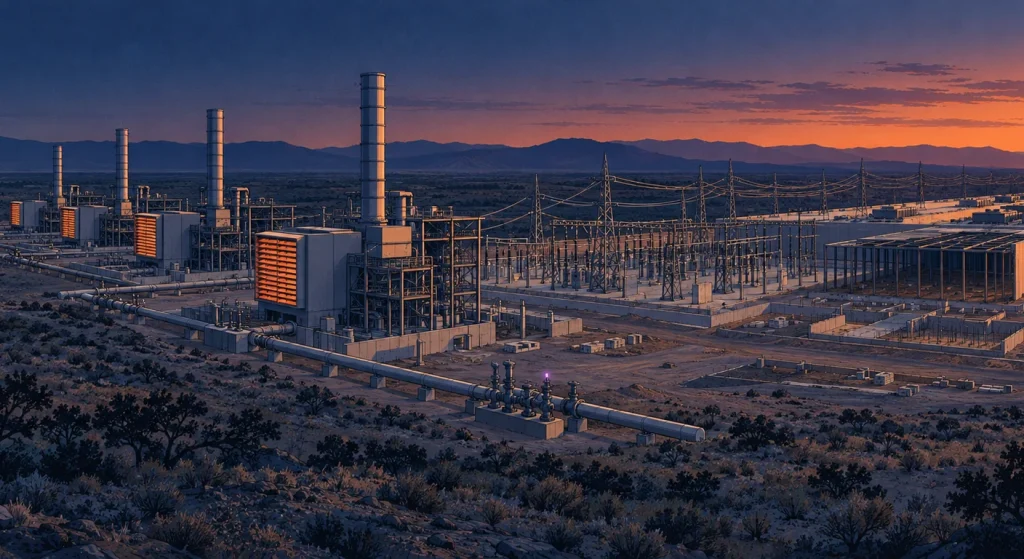
The order book is concentrated. Peak holds about $1.1 billion in orders, most of it a 4.75 gigawatt-hour agreement with Jupiter Power and a 1.5 gigawatt-hour deal with Energy Vault, The Detroit News reported. The company ships small volumes from a pilot line in San Francisco today. Its first commercial plant, a 4 GWh factory in Sacramento unveiled in July, is due to start production in the first quarter of 2027. GM and Peak agreed in June to develop next-generation sodium-ion cells together. GM is developing those cells at its Michigan battery labs for Peak to use later.
Peak claims its passively cooled system cuts the cost of energy by up to 20% against conventional storage, needs zero planned maintenance and uses no water. Those are company figures, and the announcement cites no independent test behind them. Sodium-ion cells still cost more than lithium-ion cells, The Detroit News noted, because lithium-ion runs at far greater scale. Eclipse partner Greg Reichow argued that the raw materials for sodium-ion are cheaper and available in the United States, so costs should fall as volume grows.
Why It Matters
BloombergNEF expects sodium-ion demand to reach 257 gigawatt-hours by 2035, up from just over 1 gigawatt-hour in 2025, The Detroit News reported. By then the chemistry could hold almost 10% of stationary storage. Peak is the only US company building a dedicated grid-scale sodium-ion plant. For buyers, the appeal is a battery that tolerates heat without liquid cooling and avoids the thermal runaway that drives permitting fights over lithium-ion sites. The risk is execution. Peak has promised deliveries to Jupiter Power and Energy Vault against a factory that does not exist yet. GM’s cell work is a lab program, not a supply contract. The new money buys time to close that gap. It does not close it.
What Happens Next
Production in Sacramento is due in the first quarter of 2027. Peak has not named the data center customers it is pitching or its price per kWh. The first shipment to Jupiter Power from the Sacramento line is the milestone to watch. It would show the orders are firm volume rather than framework agreements. Until then, the company’s customer figure rests on its own reporting.
Critical Perspective
Every figure that matters in this story comes from Peak Energy or its investors. The $1.1 billion order book, the 20% cost claim and the zero-maintenance claim have no independent test behind them. The press release names no customer and no delivery date. The Jupiter Power and Energy Vault volumes come from The Detroit News, not from the buyers. Peak ships only small pilot volumes today, so the Series B funds a factory that must open on schedule in the first quarter of 2027 before any order turns into revenue. GM Ventures leads the round, but GM’s own cell work sits in a Michigan lab. The supply chain Peak needs is as unbuilt as the plant. A sodium-ion cell that still costs more than lithium-ion has to close that price gap while the incumbent keeps adding scale. Which arrives first in 2027, the Sacramento factory or the first Jupiter Power shipment?
Sources
- Peak Energy / PR Newswire: Peak Energy Raises $108 Million In New Capital (Oct 21, 2026)
- The Detroit News: GM leads $108 million funding round for sodium-ion battery startup (Oct 21, 2026)
- Energy Monitor: Peak Energy secures $108m in Series B for sodium-ion battery scale-up (Oct 22, 2026)
- Energy-Storage.news: Sodium-ion BESS: Hithium enters Canadian market, Peak Energy closes Series B with GM-led funding (Oct 22, 2026)