NV Energy Sues Tract to Keep a 2,025 MW Data Center Dispute Out of Private Arbitration
- Policy & Markets Regulatory State & Local Regulation
Marin Holt
- 0
- 8 minutes read
- Combined Campus Load: 2,025 MW
- Behind-the-Meter Generation Proposed: 362 MW
- Tract Nevada Pipeline: 5,455 MW
- Network Upgrades Committed: $1 billion
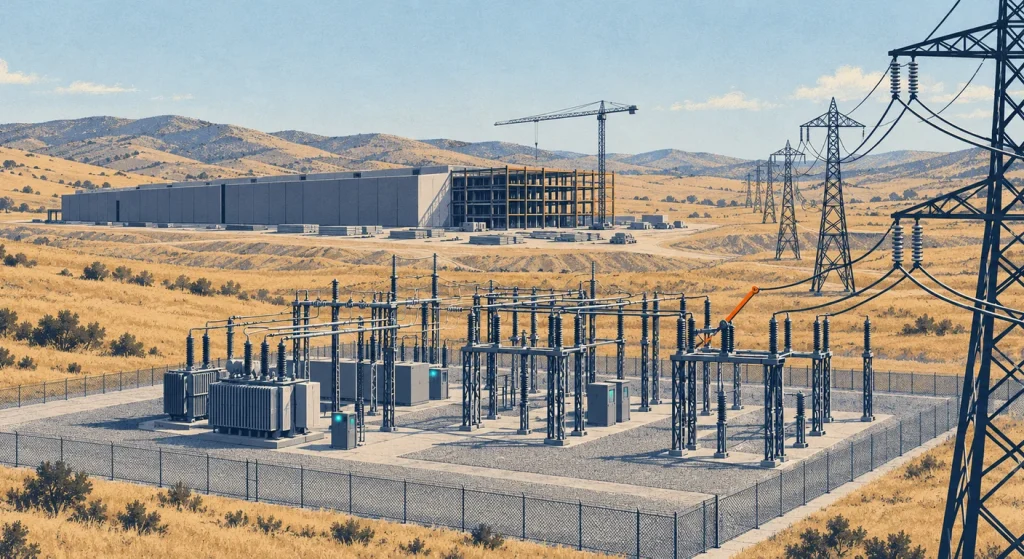
NV Energy sued data center developer Tract and its local entity Reno Power on Friday, July 24, in Washoe County Second Judicial District Court. The utility asks a judge to block the private arbitration Tract demanded in June. Two Tract campuses near Reno, Peru Ridge and South Valley, could draw 2,025 MW between them. CBS News reports that figure is close to a third of NV Energy’s generating capacity.
The utility frames the case as a jurisdiction question, not a contract fight. Who gets power, and who pays to deliver it, are questions for the Public Utilities Commission of Nevada. A private arbitrator answers to the two parties in the room. Every other ratepayer in the state sits outside that room. NV Energy points to Rule 9. That tariff provision allocates construction costs between a utility and a large new customer.
The complaint puts the cost argument bluntly. Tract “wants NV Energy to reserve and provide enormous amounts of power for Tract’s private development while shifting the infrastructure and energy costs to Nevada families, small businesses, and existing customers who did not cause them.”
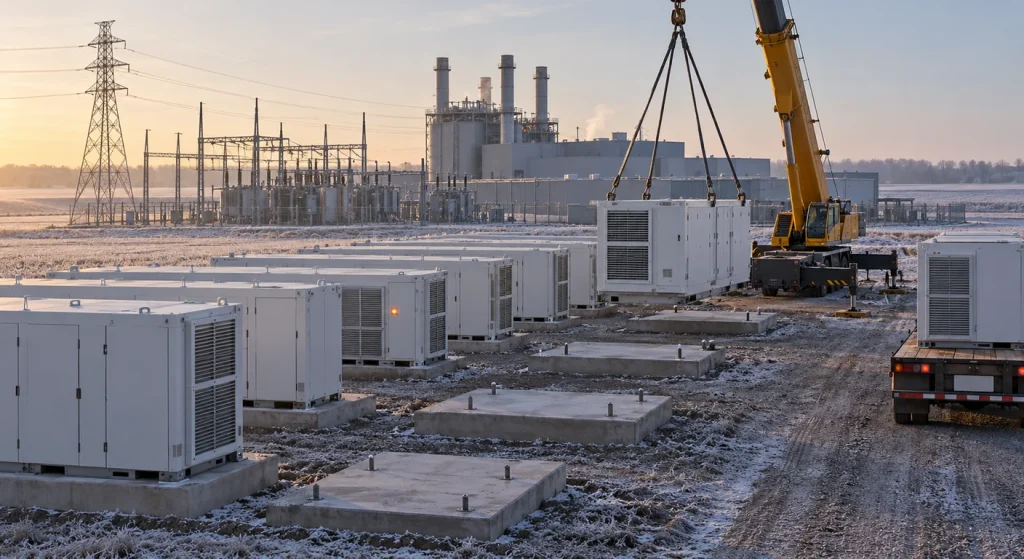
Tract has proposed building its own generation instead. The developer wants a 218 MW plant at Peru Ridge and a 144 MW plant at South Valley. Those 362 MW sit behind the meter, outside the state’s regulated infrastructure. They also cover less than a fifth of the load. The other 1,663 MW has to come from somewhere.
Tract rejects the free-rider framing. The company reports more than $127 million already invested in Nevada infrastructure. It has committed nearly $1 billion in network upgrades. It argues NV Energy failed to plan for regional demand it should have seen coming.
The five Tract projects in Nevada total 5,455 MW. NV Energy now forecasts 52% more statewide supply than it projected two years ago. That gap runs to roughly 22,000 MW of new generation.
Why It Matters
Utilities and hyperscalers have settled cost fights quietly for two years. Special contracts, non-disclosure agreements and negotiated riders kept the numbers off the public record. This suit breaks that pattern. A utility is asking a court to force the argument back into a rate case.
The precedent matters more than the megawatts. Arbitration clauses could move interconnection and cost-allocation disputes out of commission dockets. If they do, the state regulator loses its grip on the largest loads it has ever connected. Ohio, Georgia and Indiana all have large-load tariffs in progress. Whether those tariffs survive a well-drafted arbitration clause is the question this case answers first.
Note the shape of the ask. NV Energy did not sue for damages or for a rate increase. It sued for a forum.
Critical Perspective
NV Energy is not a neutral party in a fight about planning. The utility’s own numbers say it needs 52% more supply statewide than it forecast two years ago. That is roughly 22,000 MW of new generation. Tract’s five Nevada projects account for 5,455 MW of that. NV Energy is citing a demand forecast its own large-load applicants created. It then argues those applicants cannot be trusted with the cost of meeting it.
The arbitration clause is also the utility’s to own. Tract did not impose private arbitration on NV Energy. It invoked a term in agreements the utility signed. A court may well agree that ratemaking cannot be arbitrated away. That still leaves the question of why a regulated monopoly agreed to the clause.
Then there is the revenue angle the filing does not name. Tract has proposed 362 MW of behind-the-meter generation against 2,025 MW of load. Push that ratio far enough and the load leaves the system altogether.
A utility can argue that a customer should not shift costs onto ratepayers. It is also arguing to keep 2,025 MW of billable demand. Both can be true. The complaint only says one of them.
Sources
Sources
- This Is Reno (2026-07-28)
- The Nevada Independent (2026-07-28)
- Straight Arrow News (2026-07-30)
- CBS News (2026-08-07)