Virginia Orders Dominion to Charge Data Centers Directly for Connection Infrastructure, Policy Due in 90 Days
- Policy & Markets Regulatory State & Local Regulation
Marin Holt
- 0
- 7 minutes read
- Transmission Revenue Requirement: $1.539 billion
- Residential Bill Impact: $0.94 per month, down from $2.90 proposed
- Filing Deadline: 90 days
- SCC Case: PUR-2026-00056
Listen to this article
The Virginia State Corporation Commission ordered Dominion Energy on July 31, 2026 to write a new policy. The policy must charge data centers directly for the substations and lines built only to connect them. The order came in case PUR-2026-00056, the annual Dominion transmission rate case. Dominion has 90 days to file. The utility asked to recover $1.539 billion of transmission cost over the coming year. It first proposed to add $2.90 a month to the typical residential bill. The approved level adds about $0.94 a month instead.
What Changed
Dominion has spread transmission cost across rate classes by demand share. A data center paid a portion of the whole system. It did not pay the full cost of its own hookup. The commission applied a cause-and-effect test instead. If the utility would not have built a facility but for one large customer, that customer pays for it.
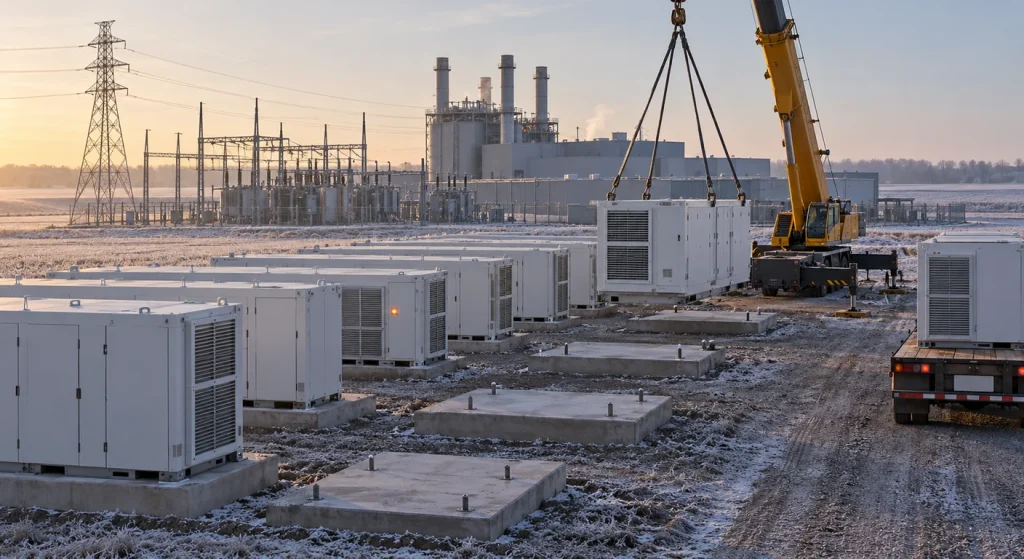
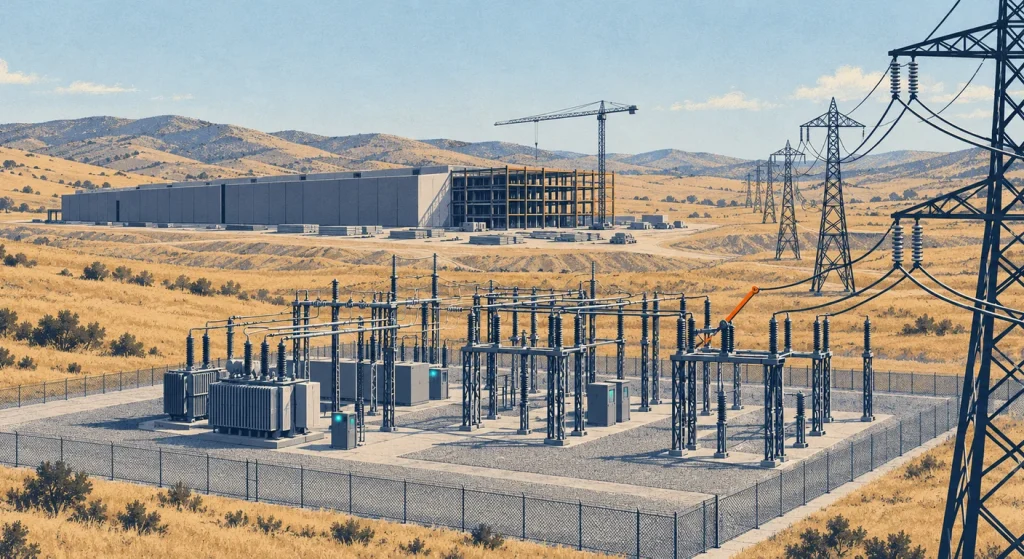
The commission told Dominion to work with staff on the filing. The order asks for what it calls an acceptable and symmetrical approach to assigning these costs. The new policy covers direct connect equipment. That means the substations and lines that tie a single large load to the grid.
Enforcement Reality
The order sets a deadline, not a rate. No data center owes anything new today. Dominion files in 90 days. The commission must then approve what it files.
The order also leaves the larger sums open. It does not decide who pays for supplemental transmission projects. It does not decide who pays for regional network upgrades. It does not touch the gas generation Dominion proposed to build. The commission noted the coming tariff may not reach every case where a large customer causes transmission cost.
Why It Matters
Virginia carries the densest data center load in the country. That makes the state the place where cost-allocation fights get settled first. Governor Abigail Spanberger said the order makes data centers pay the full cost of the transmission their developments require. Chief Energy Officer Josephus Allmond said the cost now goes to the party that caused it. Chris Miller, president of The Piedmont Environmental Council, called the decision a precedent. He said families and small businesses should not subsidize infrastructure built solely for new large loads.
Read the ruling narrowly. It moves the cost of the wire from the fence to the building. That is a small slice of the bill. The expensive part of serving a 300 MW load is the generation and the bulk network behind it. The commission deferred both. A tariff that prices only the driveway still leaves the highway on everyone else. The 90-day filing is where the definitions get written. The threshold that decides who counts as a large load will matter more than the principle the order states.
Critical Perspective
The order assigns cost for facilities built solely to serve one customer, and it defers everything else. Dominion asked to recover $1.539 billion this year, but the order does not say what share of that total is direct connect equipment. Supplemental projects and regional network upgrades stay unallocated, and that is where the multi-billion dollar data center transmission build actually sits. The typical residential bill moved from a proposed $2.90 to about $0.94 a month in the same case, and that came from the revenue requirement ruling, not from a direct-assignment tariff that will not exist for another 90 days. The commission also conceded the coming tariff may not reach every case where a large customer causes transmission cost. So what fraction of that $1.539 billion does “built solely to serve them” actually capture?
Sources
- Office of the Governor of Virginia
- Piedmont Environmental Council
- Virginia Business
- WTOP News
- Utility Dive