Southern California Edison Modernizes Great Lakes and Running Springs Substations to Meet California SF6 Rules
- Medium-Voltage Switchgear Power Electronics Regulatory
Marin Holt
- 0
- 5 minutes read
- SF6 global warming potential: 23,500 times CO2
- California new-equipment ban (72 kV and below): December 31, 2024
- Substations upgraded: Great Lakes and Running Springs
- Installation begins: 2027
- Average SF6 leak repair cost: $25,000
Listen to this article
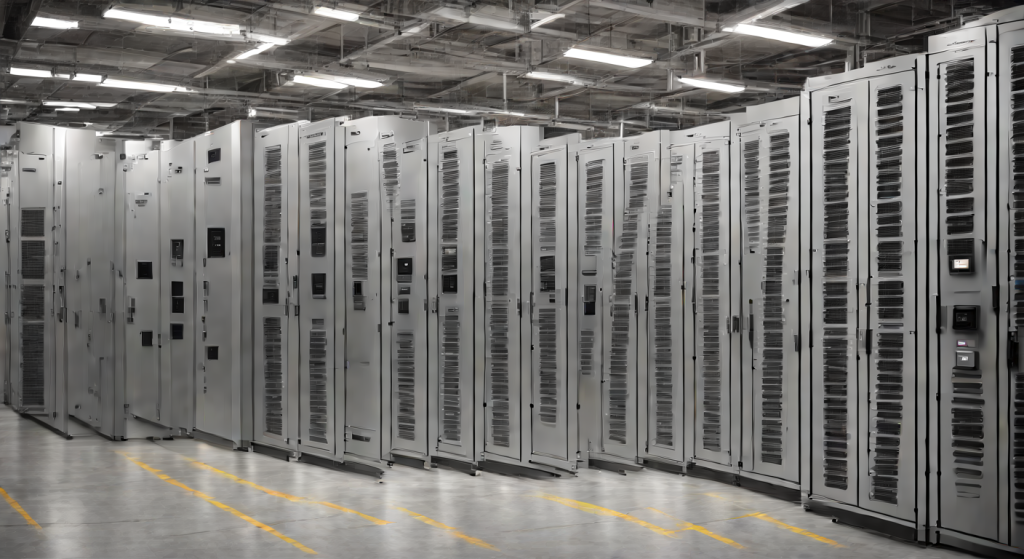
Southern California Edison will install sulfur-hexafluoride-free medium-voltage switchgear at its Great Lakes substation in the Antelope Valley and its Running Springs substation in the San Bernardino Mountains, replacing gear that depends on the most potent greenhouse gas in commercial use. The utility selected Schneider Electric’s GMAirSeT switchgear — which insulates with pure air and vacuum instead of SF6 — in an announcement dated June 30, 2026, with installation set to begin in 2027. Sulfur hexafluoride carries a global warming potential of 23,500 times that of carbon dioxide, and California now bars utilities from buying new SF6 equipment rated 72 kV and below after December 31, 2024.
Both are existing SCE facilities. Schneider Electric said the pre-assembled, enclosed switchgear doubles capacity within the same substation footprint, letting the utility add load without a full rebuild or a larger site. Southern California Edison said demand across its service area continues to grow at an unprecedented pace, and Schneider Electric framed the deal as proof that utilities do not have to trade speed and cost against lower emissions.
Why It Matters
SF6 insulates high-voltage equipment in a compact space, but it leaks. California utilities report an average 2 percent annual leak rate against a certified target of 0.1 percent, and a single repair runs about $25,000. Every kilogram released equals 23,500 kilograms of carbon dioxide. Swapping SF6 out at the substation level removes an emissions source that would otherwise persist across the 30-year-plus service life of the equipment.
Enforcement Reality
The California Air Resources Board sets the deadlines, not a voluntary target. Its phase-out schedule blocks new SF6 gas-insulated equipment in steps: 72 kV and below after December 31, 2024; 145 kV and below after December 31, 2026; 245 kV and below after 2028; and 550 kV and below after 2030. Existing installations run to end of life, so the rule bites at procurement — a utility that keeps specifying SF6 gear loses the ability to buy it. Other states, including New York, have adopted parallel limits, and the U.S. EPA tracks a widening list of state SF6 rules. For SCE, the Great Lakes and Running Springs projects turn a compliance deadline into installed capacity.
Critical Perspective
Southern California Edison named only two substations, Great Lakes and Running Springs, and disclosed neither a contract value nor the capacity being added, so the scale of this move against a fleet of hundreds of SCE substations is hard to judge. Schneider Electric supplied both the equipment and the framing that utilities no longer have to trade speed and cost against lower emissions, a vendor claim that no independent party has tested here. The near-term climate benefit is bounded as well: California’s rule lets existing SF6 gear run to the end of a service life that exceeds 30 years, so the installed base that leaks at a reported 2 percent a year, far above the 0.1 percent target, stays in service for decades. The harder question the deal leaves open is how quickly SCE swaps out the rest of its SF6 fleet, not whether these two sites move first.
Sources
- Schneider Electric — Selected by Southern California Edison to Deploy SF6-free Substation Technology (June 30, 2026)
- PR Newswire — Schneider Electric Tapped by Southern California Edison to Add Grid Capacity With SF6-Free Technology
- California Air Resources Board — Electricity Transmission and Distribution Greenhouse Gas Emissions program
- U.S. EPA — State and Regional Regulations Related to SF6 Emissions
- T&D World — PG&E Phases Out SF6 Greenhouse Gas