Tesla Trademarks ‘Megapod’ Modular AI Data Center Hardware
- AI Energy Demand Data Centers Product
Marin Holt
- 0
- 7 minutes read
- Trademark filed: June 18, 2026
- Supercharger power available: 7 GW
- xAI Megapack purchase: $1 billion
- Cortex GPU cluster: 67,000 GPUs
- USPTO serial: 99893717
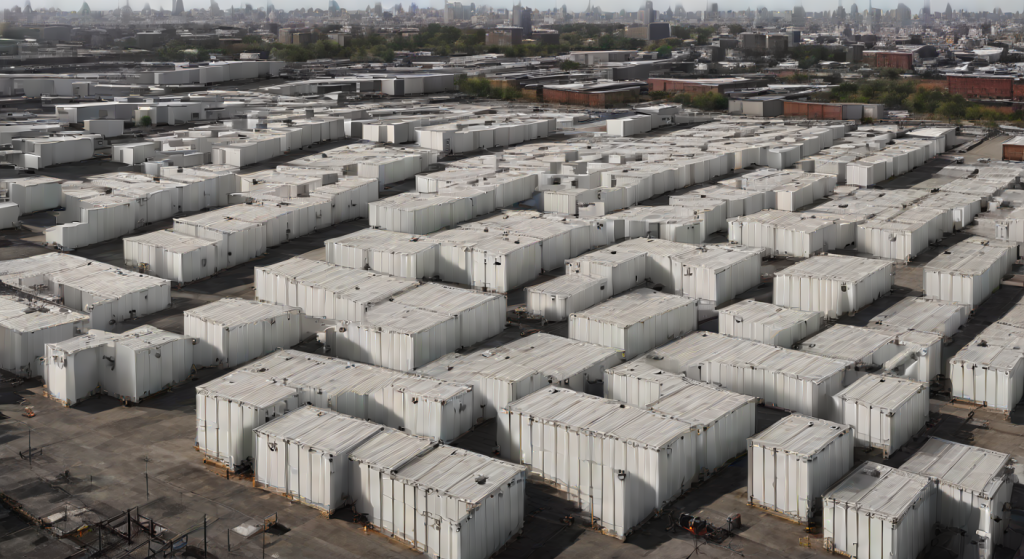
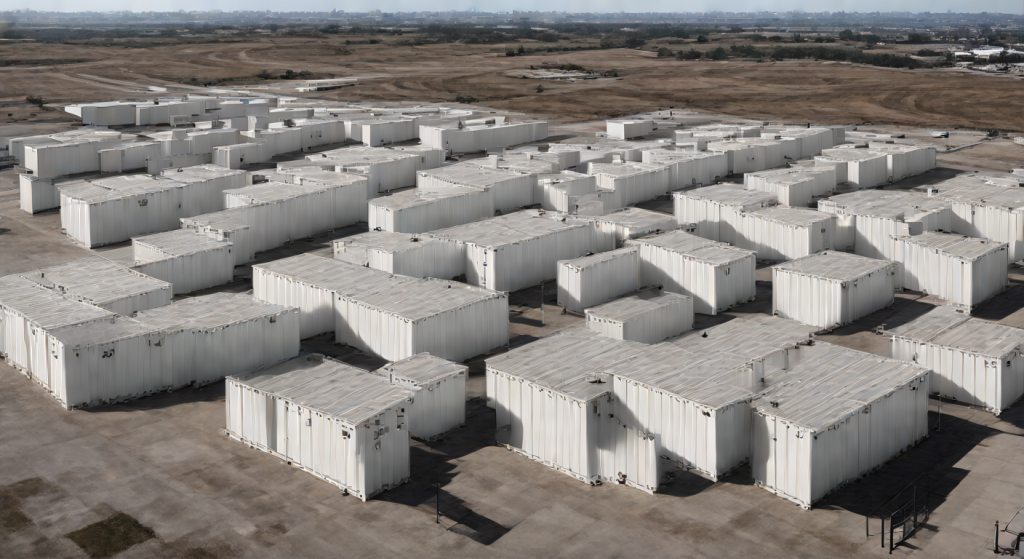
Tesla filed a U.S. trademark application for “Megapod” on June 18, 2026, staking a claim to modular AI data center hardware that bundles servers, networking, power distribution, and cooling into a single self-contained unit. The intent-to-use filing (USPTO serial 99893717) describes “modular data center hardware systems for artificial intelligence computing”, the clearest signal yet that the automaker intends to sell integrated compute-and-power blocks into the AI buildout, not just the batteries behind it.
The grid angle is the point. Tesla already runs a 67,000 GPU “Cortex” training cluster at Gigafactory Texas, and CEO Elon Musk said in March 2026 that the company wants to deploy AI hardware “at Superchargers where we have ~7 gigawatts of available power.” That existing 7 GW of interconnected charging capacity, built out over a decade for vehicles, doubles as ready-made grid access for distributed AI compute, sidestepping the multi-year interconnection queues now throttling conventional data centers.
What’s actually new
Megapod follows Tesla’s pattern of giving infrastructure a product identity: Megapack for grid storage, Megacharger for trucks, Megablock for utility-scale buildouts. The new piece is packaging power and compute together. Tesla’s demonstrated strength in this market is electrical: xAI alone has bought roughly $1 billion of Tesla Megapacks to buffer its data centers, while Tesla’s in-house Dojo compute chip was shut down. A Megapod that pairs Tesla power electronics and cooling with third-party GPUs plays to that strength rather than against Nvidia.
The competition
Prefabricated, factory-built data center modules are a crowded field. Nvidia sells reference DGX SuperPOD designs; Dell and Supermicro ship rack-scale “AI factory” systems; and Vertiv and Schneider Electric build prefabricated power-and-cooling modules that hyperscalers drop on site. What none of them own is a captive 7 GW grid footprint or a vertically integrated battery line. Tesla has disclosed no pricing. The trademark is intent-to-use, and no Megapod product has shipped.
Critical Perspective
Tesla’s filing leans on the roughly 7 GW of Supercharger capacity it has built over a decade as ready-made grid access for AI compute, but a trademark application is not a shipping product and says nothing about how much of that 7 GW is actually uncommitted at any given hour. The same company quietly shut down its in-house Dojo training chip this year, a reminder that branding hardware (Megapack, Megacharger, now Megapod) is easier than delivering it at scale. Nvidia’s DGX systems and the gigawatt-scale data-center buildouts now underway at Microsoft and Meta show that packaging compute with firm power is a multi-year systems problem, not a naming exercise, and Tesla has never sold an integrated compute-and-power block before. If xAI already had to buy about $1 billion of Megapacks just to buffer its existing sites, what fraction of the 7 GW Supercharger network could Tesla actually divert to AI without degrading the charging service that capacity was built for?
Why It Matters
For grid planners and data center developers, the signal is geographic: where the next gigawatts of AI load land. Routing compute to Supercharger sites would spread AI demand across hundreds of existing distribution-grid connections instead of concentrating it in a few transmission-constrained hubs, a different stress pattern for utilities than the single-site, hundreds-of-megawatts campuses behind today’s interconnection backlog. The filing is an IP claim, not a deployment: a statement of intent. Watch for a shipping product and a Supercharger pilot to confirm it.
Sources
- Electrek — Tesla plans to sell modular AI data center hardware called ‘Megapod’ (June 21, 2026)
- Energy News Beat — Tesla Quietly Revealed a Massive AI Infrastructure Play
- Basenor — Tesla Trademarks ‘MEGAPOD’: AI Computing at Superchargers