Valar Atomics’ Ward 250 Reactor Goes Critical in Utah
- AI Energy Demand Data Centers News
Marin Holt
- 0
- 7 minutes read
- Reactor: Ward 250
- Test power: 100 kilowatts thermal
- Scalable to: 5 MW
- Pilot milestone: Second reactor critical June 18, 2026
- Federal mandate: Executive Order 14301
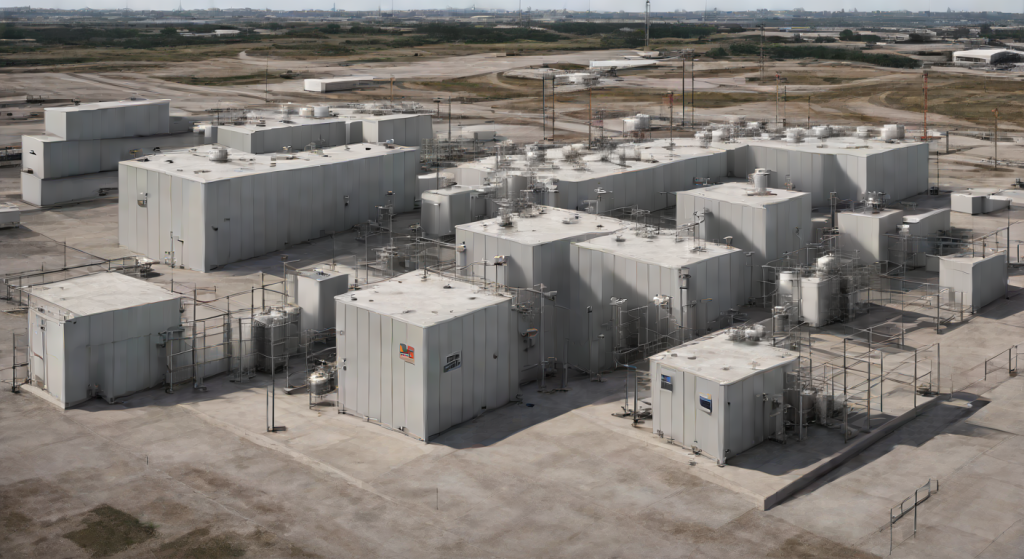
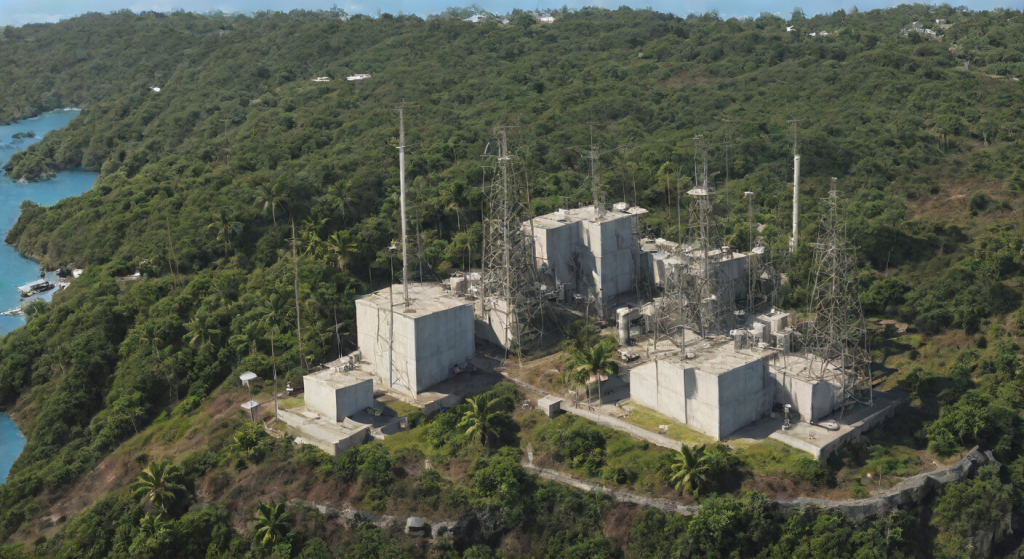
Valar Atomics brought its Ward 250 reactor to self-sustaining criticality on June 18, 2026, at the Utah San Rafael Energy Lab in Emery County, Utah, the U.S. Department of Energy confirmed. The milestone makes Ward 250 the second advanced reactor to go critical under the DOE Reactor Pilot Program, and the first reactor authorized under that program to be built and operated outside a national laboratory. The unit ran a zero-power criticality demonstration at 100 kilowatts thermal, a design the company plans to scale to 5 MW of electricity.
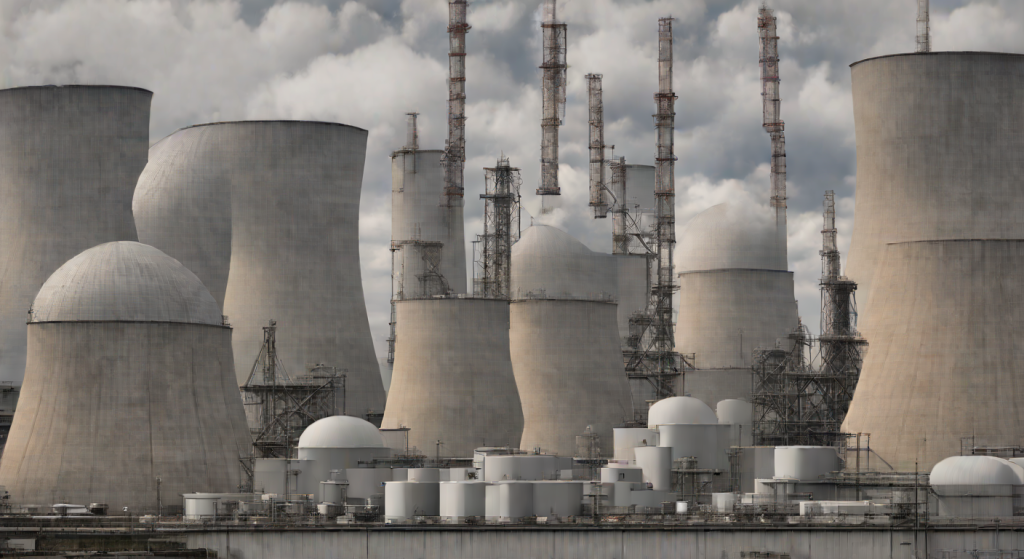
The pilot program stems from Executive Order 14301, signed in 2025, which directed the Energy Department to bring at least three advanced reactors to criticality by July 4, 2026. Antares Nuclear’s Mark-0 reactor reached the mark first on June 4, 2026, at Idaho National Laboratory. Ward 250 is a Generation IV high-temperature gas reactor that uses TRISO fuel, helium cooling, and graphite moderation, a design built for the high outlet temperatures suited to industrial heat as well as power generation.
Valar Atomics, founded in 2023 and out of stealth since February 2025, assembled the site fast. “Nine months ago, this was an empty site. Today, there’s a critical reactor on it,” said Chief Executive Isaiah Taylor. Energy Secretary Chris Wright called the result “another historic moment for America’s nuclear renaissance.” A zero-power demonstration confirms the reactor’s neutronic behavior (how its fuel, moderator, and control systems perform) before any move to power operation.
Critical Perspective
Valar Atomics’ achievement of self-sustaining criticality for Ward 250 is a significant milestone, yet the article fails to acknowledge the scalability challenges inherent in advanced reactors like this one. According to IEEE 2988 standards, which focus on interoperability and functional requirements at the equipment terminal level, the reactor’s test power output of just 100 kilowatts thermal seems minuscule compared to its scalable potential of up to 5 MW. This discrepancy raises questions about whether the reactor can meet its promised scale reliably.
Watt-Logic research indicates that scaling advanced reactors from pilot projects to commercial deployment is fraught with uncertainties, as evidenced by the delays and cost overruns in EDF’s flagship EPR projects. The UK Government’s commitment to nuclear power alongside an increased reliance on intermittent renewables creates a complex grid balancing act. If Ward 250 fails to deliver its promised capacity, it could exacerbate issues of grid stability and reliability.
The critical question here is: can Valar Atomics overcome the scalability challenges demonstrated by EPRs and other advanced reactor projects, or will Ward 250 remain a niche solution unable to contribute meaningfully to national energy grids?
Why It Matters
The federal effort to license and build reactors on a compressed schedule is a direct answer to record U.S. electricity demand, driven by AI data centers and reindustrialization. Valar has said it intends to cluster reactors into nuclear “gigasites” that supply power, industrial heat, and carbon-neutral fuels for modern industry and AI infrastructure. Reaching criticality outside a national lab, and in months rather than years, is a test of whether small reactor designs reach commercial deployment fast enough to matter for grid operators facing multi-gigawatt interconnection queues. A 100-kilowatt test core is far from a data center’s load, but the regulatory and construction path it proves out is the real product. The harder questions remain ahead: fuel supply, full-power licensing, and cost at scale. With two of the three reactors the order set as a floor now critical and the July 4 deadline about two weeks away, the program’s near-term test is whether a third design reaches criticality on schedule, and whether any of these designs scale from a zero-power core to grid-relevant output.
Sources
Related Coverage
- Big Tech Signs 10 GW of Nuclear Deals to Power AI Data Centers: Nuclear power for data centers
- Data Center Grid Delays Put 50% of 2026 AI Capacity at Risk: Data center grid capacity risks
- Sunraycer Renewables Closes $901 Million Financing: Renewable energy for data centers
- POWER Magazine: 27% of US Data Centers to Run on Onsite Generation: Onsite generation for data centers