Optimus Energy Buys Duke Energy’s 52-Station South Carolina EV Fast-Charging Network
- EVs Infrastructure & Grid Connection News
Marin Holt
- 0
- 5 minutes read
- Stations acquired: 52 DC fast chargers
- Locations: 26 sites in South Carolina
- Seller: Duke Energy (EV pilot)
- SC registered EVs: 20,000+
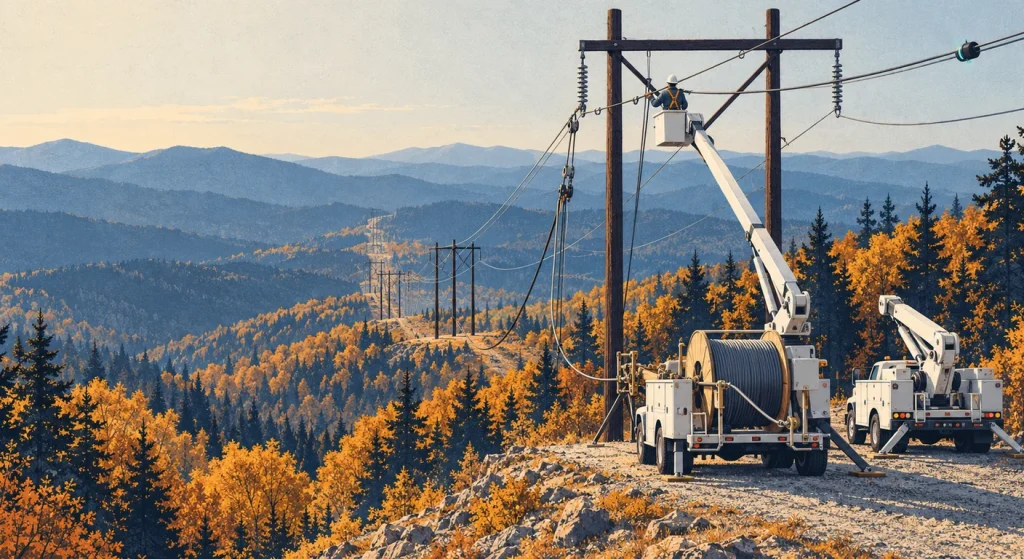
Optimus Energy Solutions has acquired a 52-station direct-current fast-charging network spread across 26 South Carolina sites from Duke Energy, whose regulated EV-charging pilot in the state reached its planned end. The Central Florida operator announced the deal on June 10, 2026, and moved the chargers onto the ChargePoint network during a two-week cutover. South Carolina counts more than 20,000 registered electric vehicles, and most of the acquired stations sit in rural towns and along interstate travel corridors where private operators have been slow to build.
Duke Energy built the network under a pilot meant to seed fast-charging access while the private market matured. Utility-owned charging has drawn pushback from operators who argue that rate-based assets compete against merchant chargers, and several state commissions have limited how long utilities keep such programs running. The South Carolina handoff follows that pattern: rather than retire the hardware when the pilot closed, Duke transferred all 52 chargers to an operator that runs charging as a standalone business.
Optimus Energy Solutions has run solar and EV-charging assets across Florida, Georgia, Virginia, Alabama and the Carolinas for close to a decade. President Ben Pauluhn said the company intends to own and maintain the 26 South Carolina locations for decades as regional EV adoption grows. Folding the stations into ChargePoint’s roaming network puts them on the same app and payment account many drivers already hold, and shifts uptime and repair duties from a utility program to a dedicated charging operator.
Critical Perspective
Optimus Energy is taking over 52 direct-current fast chargers across 26 South Carolina sites, but the announcement says nothing about the age or uptime of hardware Duke Energy installed under a pilot that has now run its full course. Reliability is the unspoken variable: a 2022 University of California survey of 657 fast-charging connectors in the San Francisco Bay Area found about 27% sat nonfunctional on any given day, and rural interstate stations with thin traffic are the hardest to keep serviced. Electrify America, the largest merchant fast-charging operator, has spent years and hundreds of millions retrofitting exactly this class of first-generation equipment to lift its uptime, a burden a single regional operator inheriting decade-old plugs may struggle to carry. With more than 20,000 EVs registered statewide and few other operators building in these corridors, what happens to South Carolina’s rural charging map if maintaining the aging chargers proves less profitable than Optimus projects?
Why It Matters
Utility EV-charging pilots are hitting their sunset dates across the country, and what happens to the hardware afterward decides whether rural fast-charging survives. A retired pilot that gets scrapped reopens corridor gaps; one that transfers to an operator keeps the plugs live. For fleet planners and drivers routing through the Carolinas, the practical effect is continuity: the same 26 locations stay open, now billed through ChargePoint. For utilities weighing their own pilot exits, the South Carolina transfer is a template for offloading assets without stranding the customers who came to depend on them.
Sources
- Optimus Energy Solutions Acquires South Carolina EV Fast-Charging Network: PR Newswire (June 10, 2026)
- Optimus Energy Solutions acquires South Carolina EV charging network: Charged EVs
- Optimus Energy acquires Duke Energy-developed EV charging network: EV Infrastructure News