California Energy Commission Certifies Clearway’s 400 MW/3,200 MWh Potentia-Viridi Battery in Alameda County
- Energy Storage News Utility-Scale BESS
Marin Holt
- 0
- 5 minutes read
- Capacity: 400 MW / 3,200 MWh
- Duration: 8-hour
- Location: Eastern Alameda County, California
- CEC certification: May 26, 2026
- Operations start: June 2028
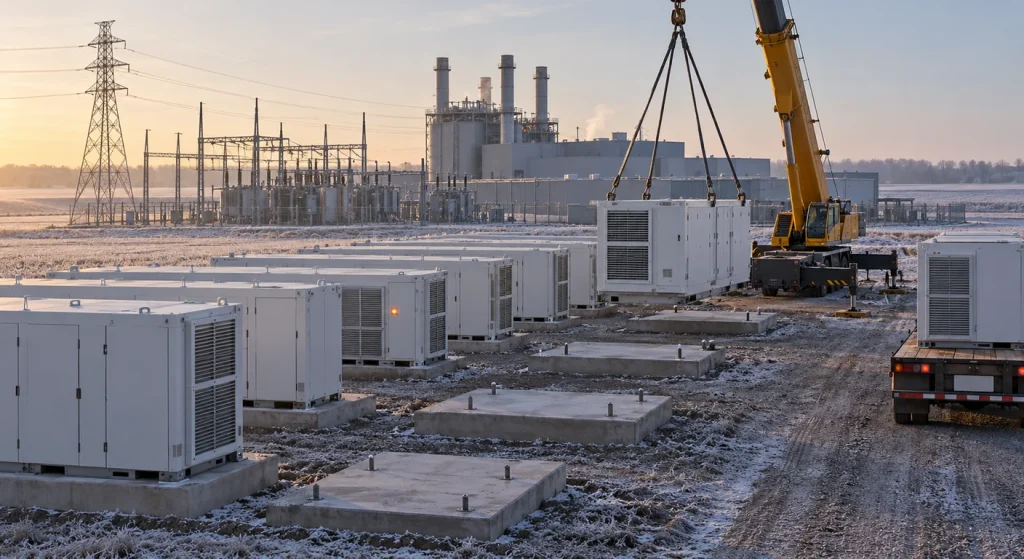
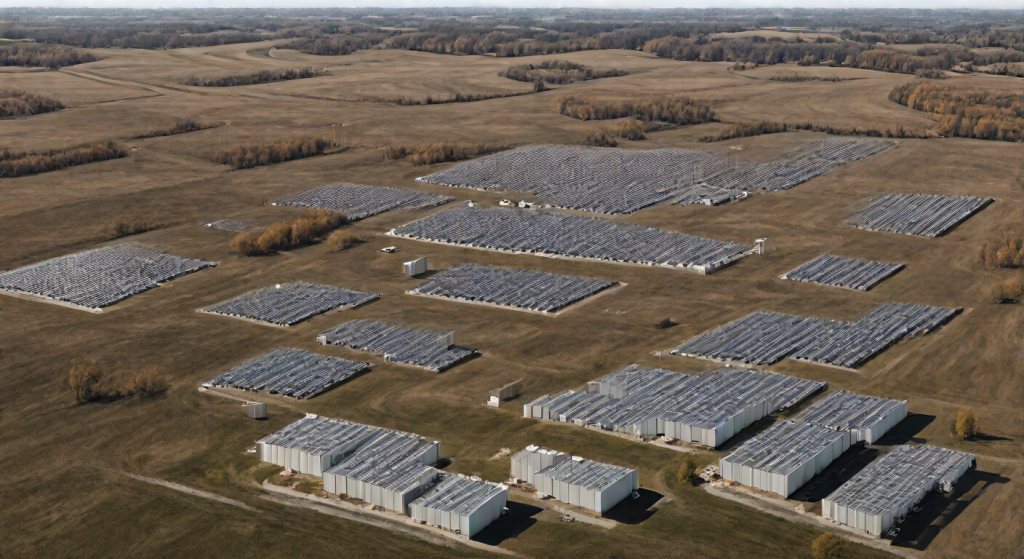
The California Energy Commission on May 26, 2026 certified Levy Alameda LLC, a subsidiary of Clearway Energy Group, to build the 400 MW/3,200 MWh Potentia-Viridi battery storage project on roughly 102 acres of eastern Alameda County, California. The 8-hour system is the third development cleared through the state’s Opt-In Certification program and will interconnect at Pacific Gas and Electric’s Tesla Substation. Construction starts in May 2027, with commercial operation targeted for June 2028.
The Opt-In Certification program, established under California Assembly Bills 205 and 209, gives clean-energy developers a consolidated state approval pathway while keeping environmental review and public-consultation requirements intact. Potentia-Viridi follows two earlier projects certified under the track, part of a state push to shorten permitting timelines for the large storage and generation needed to firm up an increasingly solar-heavy grid.
Critical Perspective
The California Energy Commission’s certification clears 400 MW of 8-hour storage, twice the four-hour duration of most batteries already counted on the CAISO system. What the approval does not address is whether the wholesale market will actually pay for hours five through eight, since California’s resource-adequacy rules were built around a four-hour minimum that a longer battery exceeds without extra revenue. Vistra’s Moss Landing Energy Storage Facility, long the state’s largest at roughly 3,000 MWh, showed the other risk when its January 2025 fire triggered a wave of local siting opposition that now shadows every big project. If an 8-hour system earns only four hours of capacity value, what pays for the extra 1,600 MWh sitting idle most evenings?
Why It Matters
An 8-hour battery discharges far longer than the four-hour lithium-ion systems that dominate California’s fleet, shifting midday solar output deep into the evening peak after sundown. Siting the project at PG&E’s Tesla Substation places 400 MW of dispatchable capacity at an established transmission node east of the Bay Area, where load from electrification and data centers keeps climbing. A third utility-scale battery moving through the accelerated Opt-In track also signals that California intends to lean on state-led permitting to reach its storage targets.
Project Details
Levy Alameda expects a peak construction workforce of about 127 workers, averaging 97 per month, and 18 permanent operating jobs over an estimated 35-year life. The developer committed initial funding of $925,000 split between Tri-Valley Haven and the Tri-Valley Nonprofit Alliance, with total community contributions reaching up to $1.1 million over 20 years. The project sits on former cattle-ranch land and stores low-cost off-peak and surplus solar power for later dispatch.
Sources
- California Energy Commission: Potentia-Viridi Battery Energy Storage System
- Construction Review Online: California Approves 400 MW Potentia-Viridi
- Global Project Leader: California Approves 400MW Battery Under Accelerated Programme